
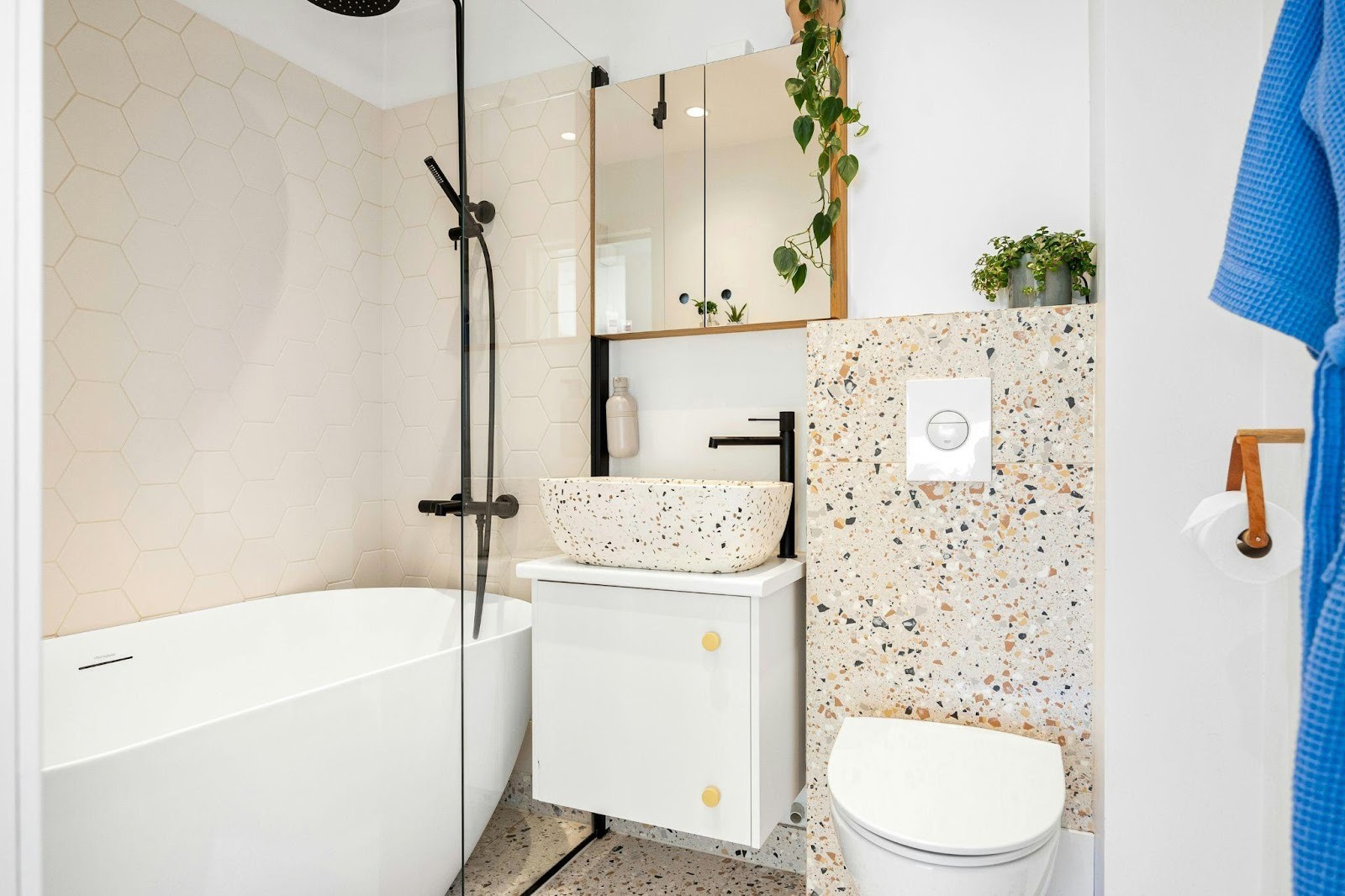
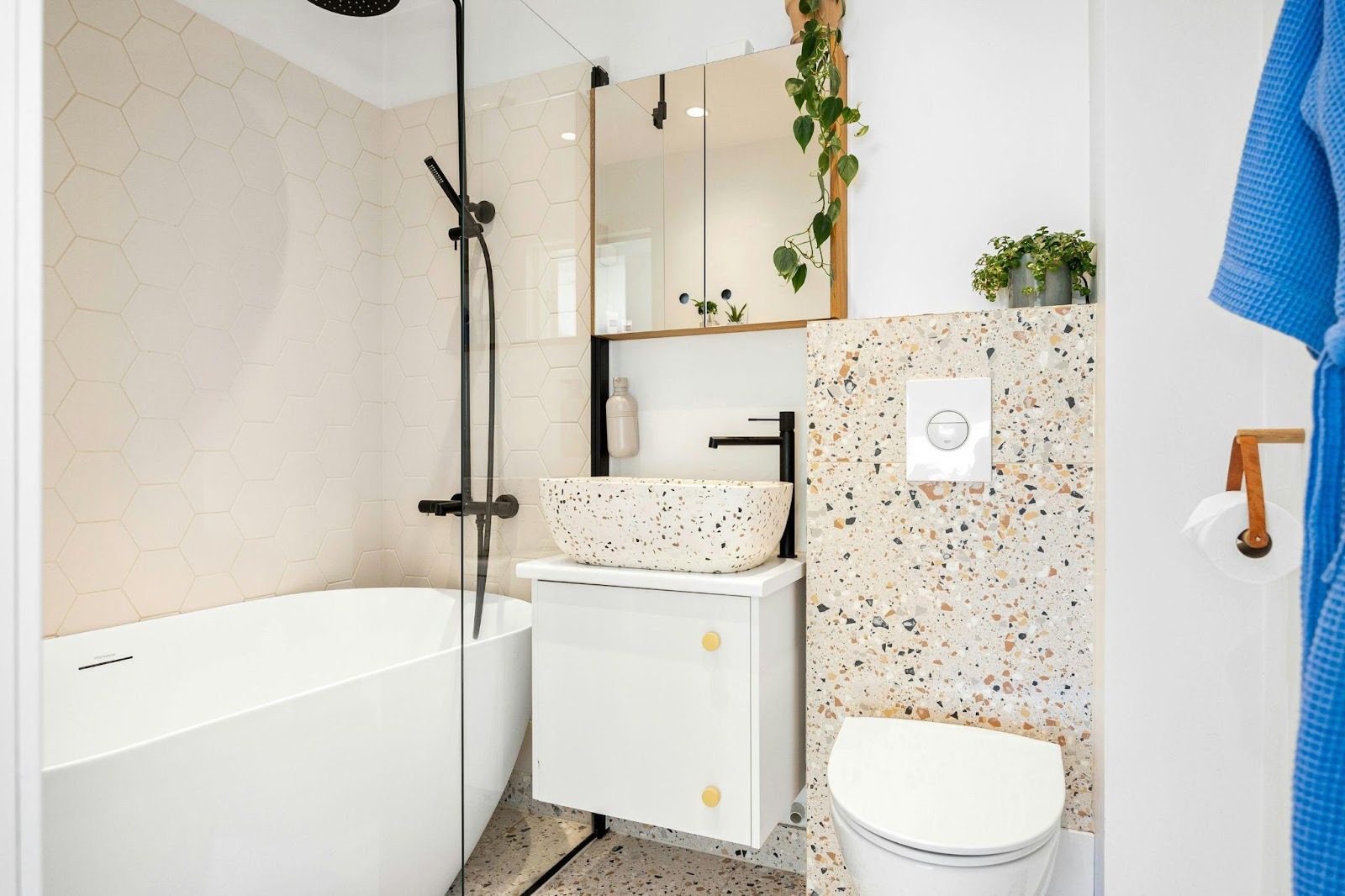
(Photo by Alex Tyson on Unsplash)
Upgrading a bathroom is often associated with large-scale renovations, high costs, and extended timelines. However, not every improvement requires tearing down walls or redesigning the entire space. Some of the most effective upgrades are smaller, system-focused changes that improve functionality, efficiency, and long-term reliability.
Among these, toilet installation stands out as one of the most practical improvements a homeowner can make. A properly installed toilet contributes to water efficiency, hygiene, and overall bathroom performance. In many cases, replacing an outdated or poorly functioning unit can significantly improve daily comfort while also reducing maintenance issues.
For homeowners looking to improve their space without committing to a full renovation, focusing on essential fixtures provides a practical and cost-effective approach.
Why Toilet Installation Is More Than a Simple Upgrade
Toilets are one of the most frequently used fixtures in any home, making their performance essential to everyday comfort. While replacing a toilet may seem straightforward, the installation process involves more than just swapping out one unit for another.
Proper alignment, sealing, and connection to both water supply and drainage systems are critical for ensuring long-term reliability. Even small errors during installation can lead to leaks, instability, or inefficient flushing.
This is why many homeowners choose to work with professionals offering toilet installation Melbourne to ensure that the system is installed correctly and performs as expected over time.
The Risks of Improper Installation
Improper toilet installation can lead to a range of issues that affect both the bathroom and the broader home environment. Common problems include water leaks, unstable fixtures, and inefficient flushing systems.
Leaks are particularly concerning, as they can go unnoticed for long periods. Over time, this can lead to water damage, mold growth, and structural issues that require costly repairs.
In addition, poorly installed toilets can create hygiene concerns. If seals are not properly fitted, there is a risk of wastewater leakage, which can compromise the cleanliness and safety of the space.
Compliance and Safety in Modern Plumbing Systems
Plumbing systems are subject to strict regulations designed to protect public health and ensure safe operation. These standards govern everything from water supply connections to waste disposal systems.
According to Australian Standards (AS/NZS 3500), plumbing and drainage systems must meet specific design and installation requirements to ensure safety, efficiency, and long-term performance.
These regulations highlight the importance of proper installation. Working within these guidelines helps prevent contamination, ensures reliable operation, and protects both the property and its occupants.
Water Efficiency and Long-Term Savings
Modern toilets are designed with water efficiency in mind. Dual-flush systems, for example, allow users to control water usage based on need, reducing overall consumption.
Upgrading to a more efficient system can have a noticeable impact on utility bills over time. In households where water usage is high, these savings can add up quickly.
In addition to financial benefits, water-efficient toilets contribute to broader environmental goals. Reducing water consumption helps conserve resources and supports sustainable living practices.
Choosing the Right Toilet for Your Space
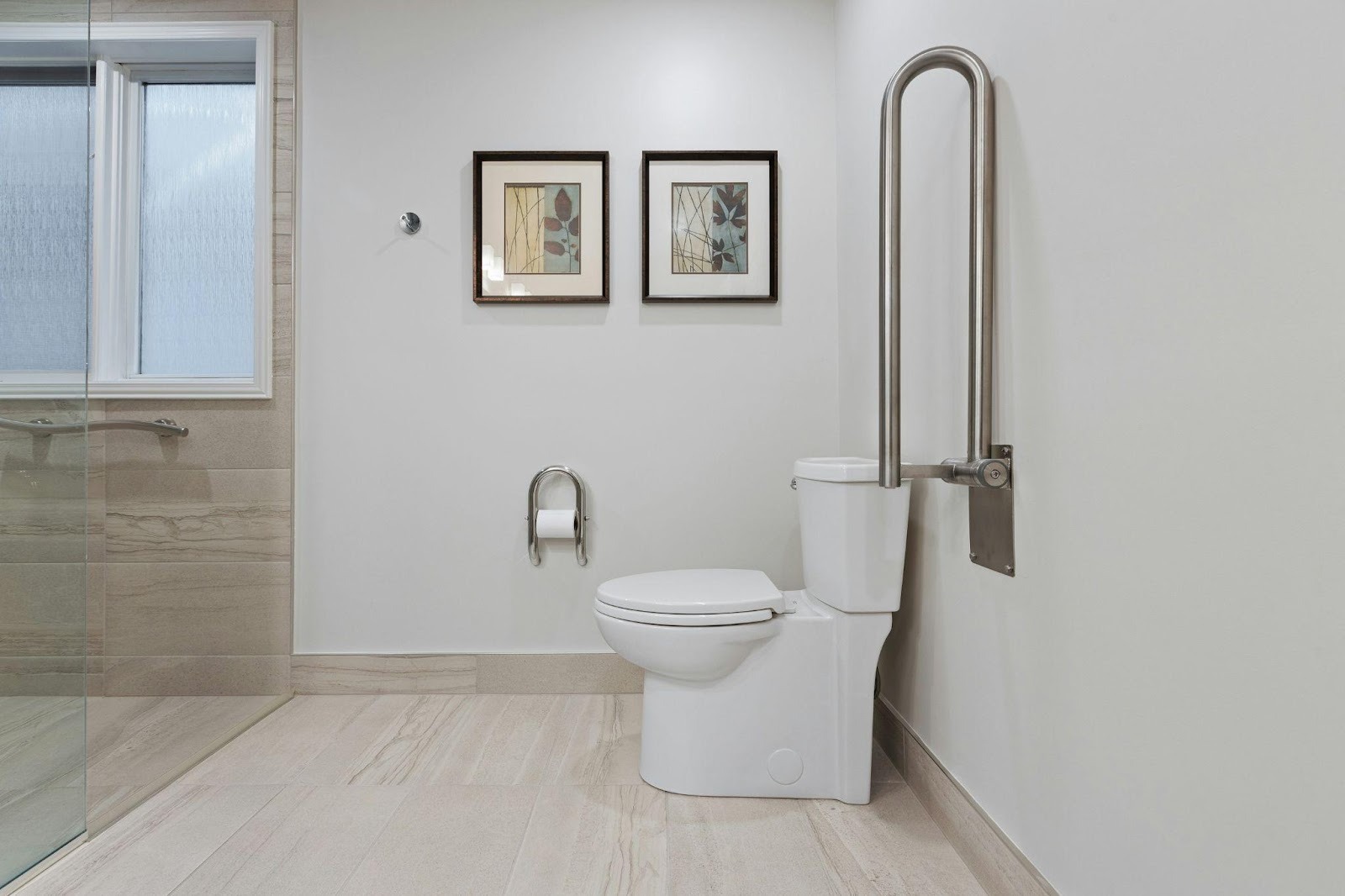
(Photo by Point3D Commercial Imaging Ltd. on Unsplash )
Not all toilets are the same, and selecting the right model is an important part of the upgrade process. Factors such as size, design, and water efficiency should all be considered.
Close-coupled toilets, wall-hung designs, and back-to-wall options each offer different advantages. The choice often depends on the layout of the bathroom and the specific needs of the household.
Proper measurement and planning are essential. The positioning of existing pipes, available space, and user preferences all influence which option will provide the best results.
The Role of Drainage Systems in Performance
A toilet’s performance is closely linked to the drainage system it connects to. Efficient drainage ensures that waste is removed quickly and prevents blockages or unpleasant odors.
Modern plumbing systems rely on properly designed drain-waste-vent systems, which allow wastewater to flow smoothly while preventing sewer gases from entering the home.
If the drainage system is not functioning correctly, even a high-quality toilet may experience performance issues. Ensuring compatibility between the toilet and existing plumbing is essential for achieving optimal results.
Maintenance After Installation
Once a new toilet is installed, ongoing maintenance plays a key role in preserving its performance. Regular checks for leaks, proper flushing, and stable positioning help ensure that the system continues to function as intended.
Simple maintenance tasks, such as cleaning components and monitoring water usage, can prevent small issues from developing into larger problems.
By maintaining the system properly, homeowners can extend the lifespan of the fixture and avoid unnecessary repair costs.
Small Upgrades That Deliver Long-Term Value
Replacing a toilet may seem like a minor upgrade, but its impact on daily life and long-term property value can be significant. A well-installed, efficient system improves comfort, reduces maintenance issues, and supports better resource management.
For homeowners looking to improve their bathroom without undertaking major renovations, focusing on essential fixtures offers a practical solution. These upgrades provide immediate benefits while also contributing to the overall performance and reliability of the home.