
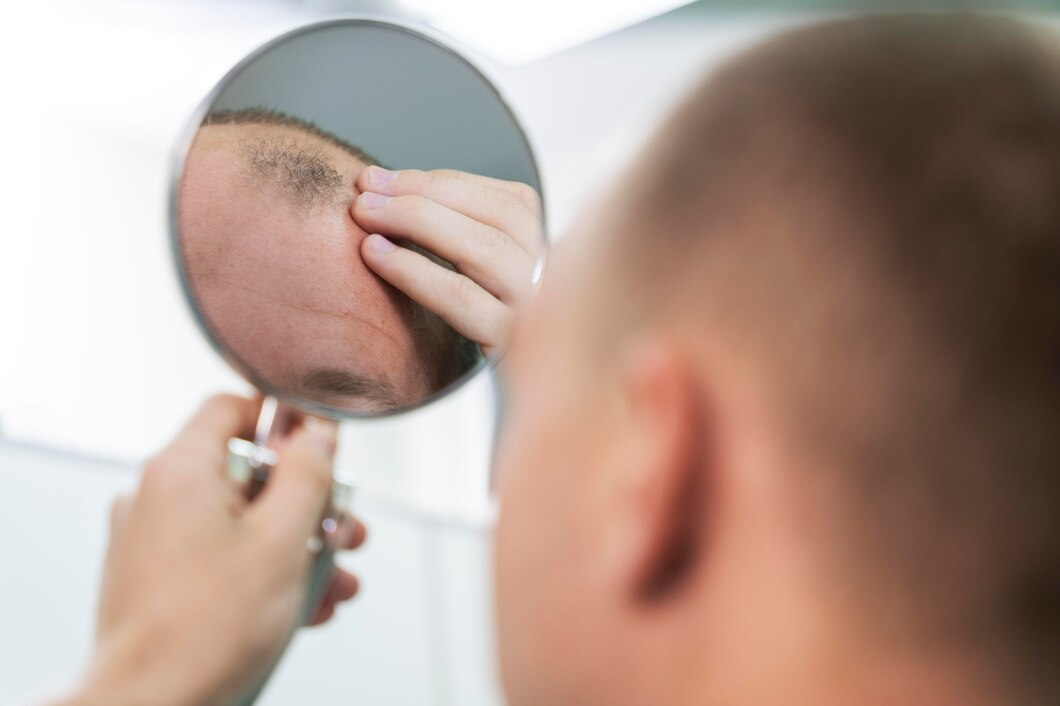
Hair loss affects millions of Australians, often impacting self-esteem and daily confidence. Fortunately, modern restorative therapies offer reliable pathways to regain a full head of hair. If you are researching local options, you have likely encountered two prominent solutions: a DHI hair transplant in Melbourne or a non-surgical PRP hair treatment. While both methods address thinning areas, they target hair restoration from entirely different angles. One relies on surgical precision to relocate healthy follicles, while the other uses your body's natural growth factors to revitalise existing hair. Choosing the right path requires understanding how these procedures work, their recovery times, and the type of results they deliver.
Understanding DHI Hair Transplant
Direct Hair Implantation, commonly known as DHI, represents a highly advanced refinement of traditional hair restoration techniques. During a DHI hair transplant in Melbourne, qualified surgeons extract individual hair follicles from a donor area, typically the back of the scalp, and implant them directly into the thinning regions. Unlike older methods that require pre-cut slits or channels, DHI utilises a specialised, pen-like instrument called a Choi Implanter. This tool allows the clinician to control the depth, angle, and direction of each implanted hair with extreme accuracy.
The main benefit of this meticulous approach is a highly natural-looking hairline that blends seamlessly with your existing hair. Because the extraction and implantation occur almost simultaneously, the survival rate of the hair grafts increases significantly. Patients choose this surgical option when they want a permanent solution to moderate or advanced pattern baldness. It is particularly effective for restoring receding hairlines or filling in completely bald patches where active follicles no longer exist. Additionally, because the procedure avoids creating large incisions, scalp trauma is minimised, leading to faster healing times compared to older strip-harvesting methods.
The Science Behind PRP Hair Treatment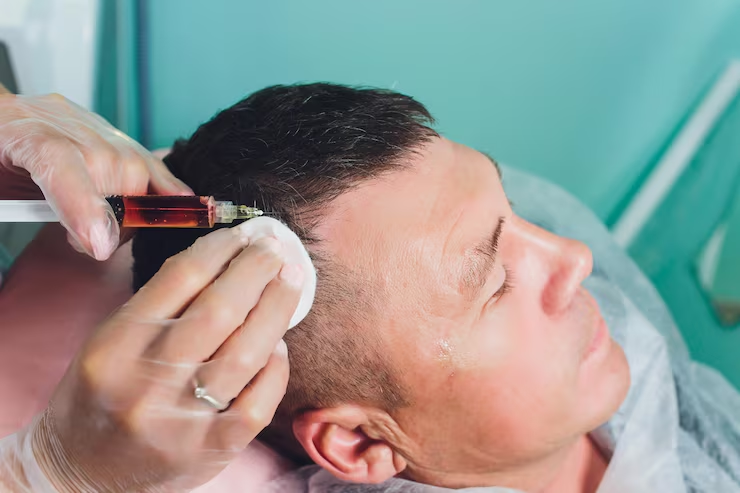
For individuals who prefer a non-surgical route or are in the early stages of thinning, PRP hair treatment offers a compelling alternative. PRP, or Platelet-Rich Plasma, leverages the healing properties found within your own blood to stimulate dormant hair follicles. The process begins with a simple blood draw from your arm. This blood is placed into a centrifuge, a machine that spins at high speeds to separate the red blood cells from the plasma, concentrating the platelets.
Once isolated, the clinician injects this nutrient-rich plasma directly into the areas of the scalp experiencing thinning. Platelets contain essential growth factors that encourage cellular repair, increase blood supply to the hair bulb, and prolong the active growth phase of the hair cycle. This therapy does not create new hair follicles; instead, it strengthens and thickens existing, miniaturised hairs. It is an ideal preventative measure for men and women noticing early diffuse thinning rather than complete baldness. Most clinical protocols recommend an initial series of three to four sessions spaced a month apart, followed by biannual maintenance appointments to sustain the revitalising effects on the scalp.
Key Differences: Surgical Precision vs. Non-Invasive Stimulation
When deciding between a DHI hair transplant in Melbourne and a therapeutic PRP hair treatment, the fundamental difference lies in the mechanism of action. DHI is a corrective surgical procedure designed to move hair from one place to another. It physically redistributes healthy follicles to areas that have completely stopped producing hair. This makes it the superior choice for individuals dealing with defined bald spots, deep temple recession, or advanced androgenetic alopecia where the skin has become smooth and shiny.
On the other hand, PRP is a biological stimulant. It acts as a fertiliser for struggling follicles that are still capable of producing hair but have grown weak and thin. If you have completely bald areas, plasma injections cannot resurrect dead follicles, meaning the therapy will yield minimal results in those specific spots. However, if your hair is merely thinning and you want to improve overall density and scalp health, this non-invasive approach is highly effective. Many dermatologists actually recommend combining these two strategies. Undergoing plasma therapy after a transplant can accelerate healing, nourish the newly transplanted grafts, and protect the surrounding non-transplanted hair from future thinning.
Cost, Recovery, and Long-Term Commitment
Practical considerations such as budget, downtime, and long-term commitment play a massive role in your decision-making process. A surgical transplant is a one-time major event with a higher upfront cost. While the procedure requires you to take a few days off work to allow the tiny crusts on your scalp to heal, the results are permanent once the transplanted hairs take root. You will experience a temporary shedding phase a few weeks post-surgery, but new, robust hair growth begins around the three-to-six-month mark, reaching full density within a year.
Conversely, plasma therapy is much more budget-friendly per session, but it requires ongoing maintenance. Because it does not alter the underlying genetics causing pattern baldness, stopping the therapy means your hair will eventually return to its pre-treatment state. The recovery is immediate, with most patients returning to their normal routine the very same day, experiencing nothing more than mild scalp tenderness. Weighing these factors means looking at your lifestyle: do you want a permanent, one-off solution that requires minor surgical recovery, or do you prefer a continuous, non-invasive routine that fits easily into a busy schedule? Consulting with a qualified hair restoration specialist in Victoria will help clarify which timeline and financial commitment align best with your personal goals.
Final Thoughts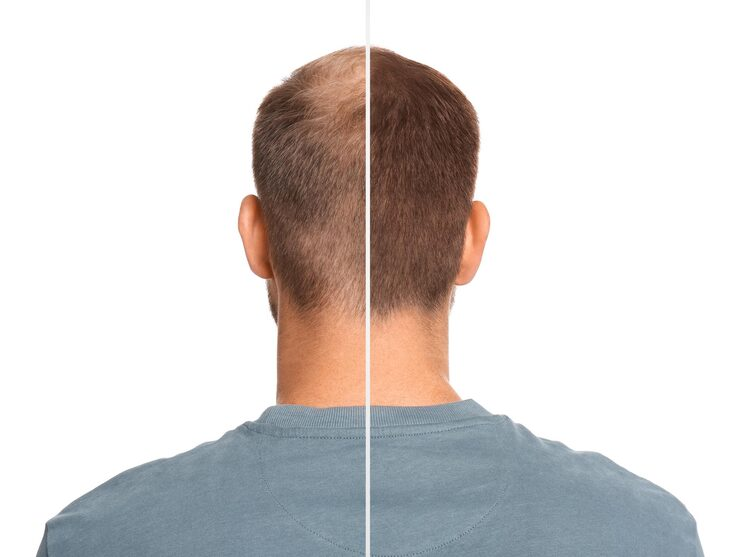
Ultimately, choosing between a DHI hair transplant in Melbourne and a PRP hair treatment depends on the current stage of your hair loss and your personal expectations. If you are dealing with significant hair thinning or a receding hairline, the surgical precision of DHI offers a permanent, structural change. If you are in the early stages of hair thinning and want to strengthen your existing hair without undergoing surgery, platelet-rich plasma therapy is an excellent, low-risk option. Many patients find that a combination of both treatments delivers the most comprehensive results. Schedule a consultation with an experienced local clinic to assess your scalp health and design a tailored plan that helps you regain your confidence.