
.png)
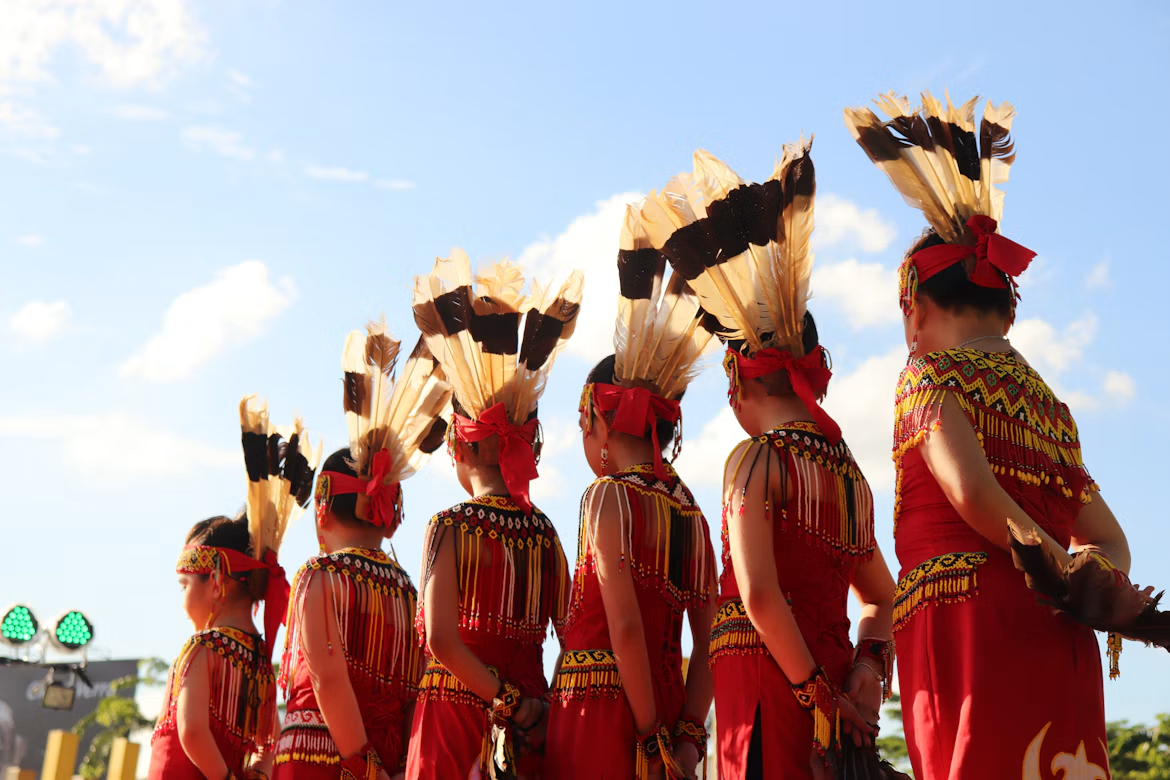
Picture a small school at the end of a long dirt road. Rain drips through gaps in the roof, the desks wobble, there's no electricity for lights and the toilets have long since stopped working. The teacher who arrived at the start of the year is already thinking about leaving. For children in many remote communities around the world, this has been the reality of going to school.
Conversations about education often focus on curriculum, test results and teaching methods. In remote areas, though, the first barriers tend to be far more basic. Community-focused initiatives such as the Papua Movement have drawn attention to how upgrading facilities in remote villages can change daily life for students and teachers alike. When the foundations are in place, learning has room to grow.
Why Infrastructure Shapes Learning
The physical environment of a school has a direct effect on whether children turn up, how well they concentrate and how they feel about being there. A classroom that floods in heavy rain or swelters without ventilation makes it hard for anyone to focus. A lack of clean toilets and handwashing facilities can keep children, particularly older girls, at home.
Simple improvements can make a noticeable difference. Weatherproof roofs and solid walls keep classrooms dry and quiet. Proper desks and chairs make reading and writing easier. Reliable lighting extends the useful hours of the school day, especially in regions where the sun sets early or the sky stays overcast.
In rural Indonesia, Papua education upgrades such as repaired roofs, solar-powered lighting and clean restrooms have helped turn run-down classrooms into spaces where children are proud to learn. These changes may sound modest, but they send a clear message to students that their education is valued.
Keeping Teachers in Remote Communities
Attracting qualified teachers to remote areas is hard. Keeping them there is often harder. Isolation, limited housing and a shortage of basic resources can wear down even the most dedicated educator, and high turnover disrupts students' learning.
Infrastructure plays a big role here too. Safe, comfortable teacher housing located near the school removes one of the most common reasons teachers leave. Reliable supplies of textbooks, stationery and teaching materials mean teachers spend less time improvising and more time teaching. Access to professional development and contact with colleagues, even if only online, helps reduce the sense of working alone.
When teachers stay longer, they build relationships with students and families, get to know the community and can plan for the long term. That continuity is one of the most valuable things a remote school can have.
Power, Water and Connectivity
Beyond the classroom itself, schools depend on a network of basic services. Electricity powers lights, fans, computers and projectors. In many remote areas without a reliable grid, solar panels and battery systems have become a practical way to keep schools running.
Clean water supports health, hygiene and school meal programs. Internet access opens up digital learning resources, allows students to research beyond their textbooks and gives teachers access to online training and support. As education becomes more connected, schools without these services risk falling further behind.
Getting Students to School
Even the best-equipped school can only help children who can reach it. In remote areas, students may face long walks, river crossings or roads that become impassable in the wet season.
Communities address this in different ways. Improved roads and footbridges shorten journeys and make them safer. School transport services, where available, help families who live far from the nearest school. In some regions, boarding facilities allow older students to continue their education when daily travel isn't practical. Community support, from parents sharing transport to villages maintaining paths, often makes the difference.
Lessons From Remote Australia
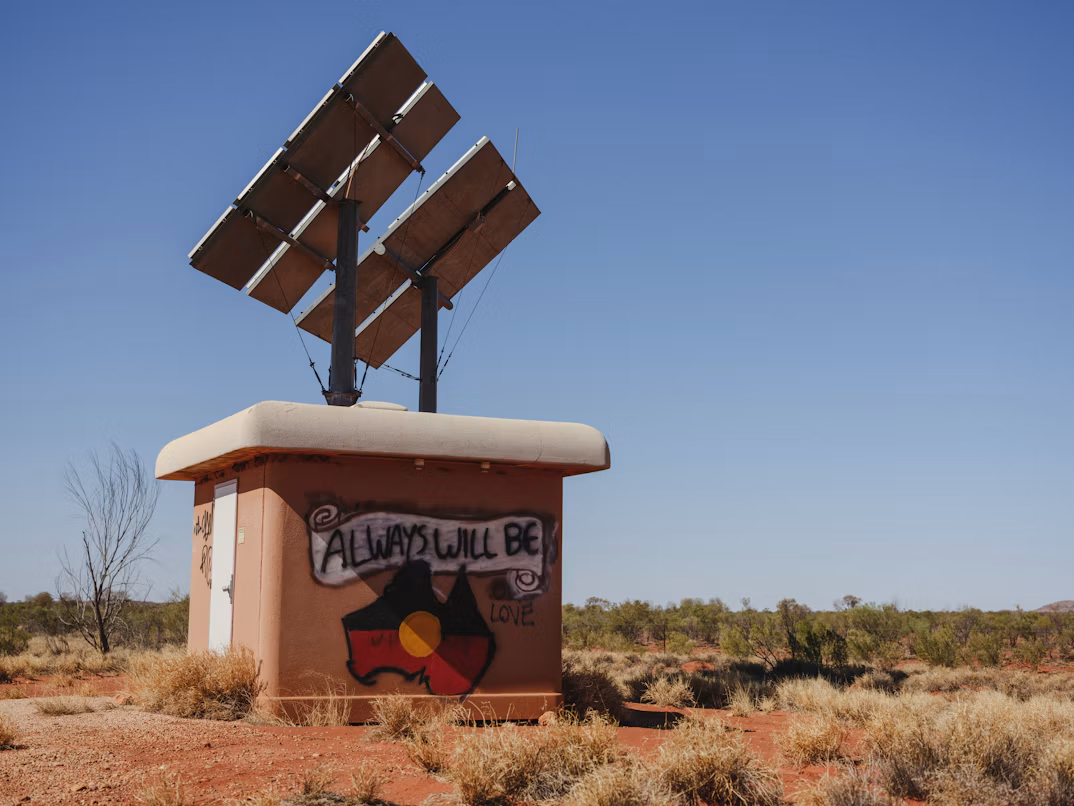
Australia knows these challenges well. The School of the Air, which began in Alice Springs in 1951, was created to reach children on remote stations and in isolated communities who had no school nearby. Lessons were originally delivered by radio and have since moved online, but the principle remains the same: find a way to bring education to students wherever they live.
Remote Australian schools continue to face familiar hurdles, including attracting and retaining teachers, providing suitable housing, maintaining facilities in harsh climates and ensuring reliable internet. The experience of remote communities here and overseas shows that education access depends on a combination of buildings, services, people and community commitment.
Making Improvements Last
Upgrading a school is only the first step. Tropical rain, extreme heat and dust can quickly wear down buildings and equipment if they aren't maintained. Isolated schools also need a steady flow of fresh learning materials, replacement equipment and ongoing training for staff.
The most durable improvements come from partnerships. Education authorities, local leaders, families and community groups each have a role to play in looking after school facilities and making sure resources keep arriving. When a community feels ownership of its school, it's far more likely to protect and maintain it.
How Businesses and Communities Can Help
Local businesses and community organisations can make a meaningful contribution to education in remote and regional areas. Some practical ways to help include:
-
Donating equipment such as computers, furniture or sporting gear in good working order
-
Offering trade skills for repairs, maintenance and small building projects
-
Sponsoring programs like school breakfast clubs, libraries or excursions
-
Supporting reputable charities that work on remote education and school infrastructure
-
Providing work experience and mentoring that connect students with future career paths
Even small contributions add up when they're sustained over time.
Building Foundations for the Future
Every child's education rests on foundations that are easy to take for granted: a dry classroom, a working light, a clean toilet, a teacher who stays. In remote areas, these basics can't be assumed, and providing them takes planning, investment and community effort.
When communities invest in school infrastructure, the benefits reach well beyond the classroom. Children who can learn safely and consistently grow into adults who can strengthen their own communities, creating opportunities that last for generations.