
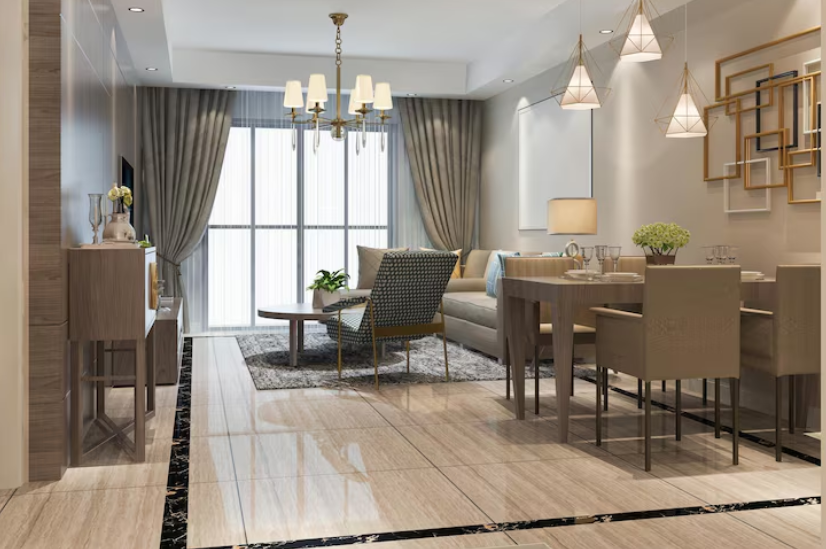

Having more space doesn't make a home more functional — it's about making smart use of the space you already have.
Regardless of the size of your residence, whether in a tiny flat or a bigger house, careful design decisions can enhance comfort, organization, and daily performance.
By emphasizing layout, furniture, and storage, you can make your house a place that actually works with your lifestyle.
Here are four strategic tips to help you ensure your home is functional and efficient for longer. Let’s break them down…
1. Design, With a Purpose, Not Only Style.
Functionality begins with purpose. Before purchasing furniture or decor, consider the actual use of each room. A living room can serve as a study, and a dining table can also be a homework or hobby area.
By planning around actual daily activities, you can make your home more comfortable to reside in. Zoning is an easy yet efficient approach.
Separate areas without building; just use rugs, lighting, or shelving. This contributes to the sense of order in rooms and creates an open, airy appearance.
Another factor to consider is traffic flow; ensure walkways are clear, and nothing is placed where it would disrupt movement.
2. Select Furniture That Overworks
One of the strongest tools for building a functional home is multifunctional furniture. Multi-purpose pieces cut down on clutter and utilize the available space more efficiently.
Storage ottomans, extendable tables, and wall-mounted desks are just a few examples that can be customized to suit your needs. Seating that doubles up as a sleeping space is particularly useful in living rooms or guest rooms.
An affordable modular sofa bed fits well in modern homes because it does not compromise comfort or style. With modular designs, you can reconfigure them when needed, making them well-suited to both small and larger families. Furniture that adjusts with you is economical and keeps your home functional over time.
3. Use as Much Storage as Possible, But Add No Bulk
Clutter is the enemy of functionality, so smart storage is essential. Identify underutilized spaces, such as under beds, over doors, or inside staircases. Vertical storage spaces (such as tall cabinets or wall shelves) are used to store items, making them easily accessible and freeing floor space.
Built-in storage solutions are especially effective because they blend into the home's structure. Even small additions, such as hooks, drawer dividers, or stackable bins, can make a significant difference. Provide each object with a home, and therefore, cleaning and organizing will be easier and less stressful.
4. Let Lighting and Layout Do Wonders
Adequate lighting can improve your home’s ambience and functionality. Install ambient, task, and accent lighting to assist various activities during the day. As an example, task lights in the workplace enhance concentration, whereas softer lights in the bedroom facilitate relaxation.
Lastly, do not be afraid to review your layout over time. With routines changing, your home must change as well. Simple changes, such as bringing a desk closer to natural light or reconsidering the use of a room, can go a long way toward making your space more effective.