
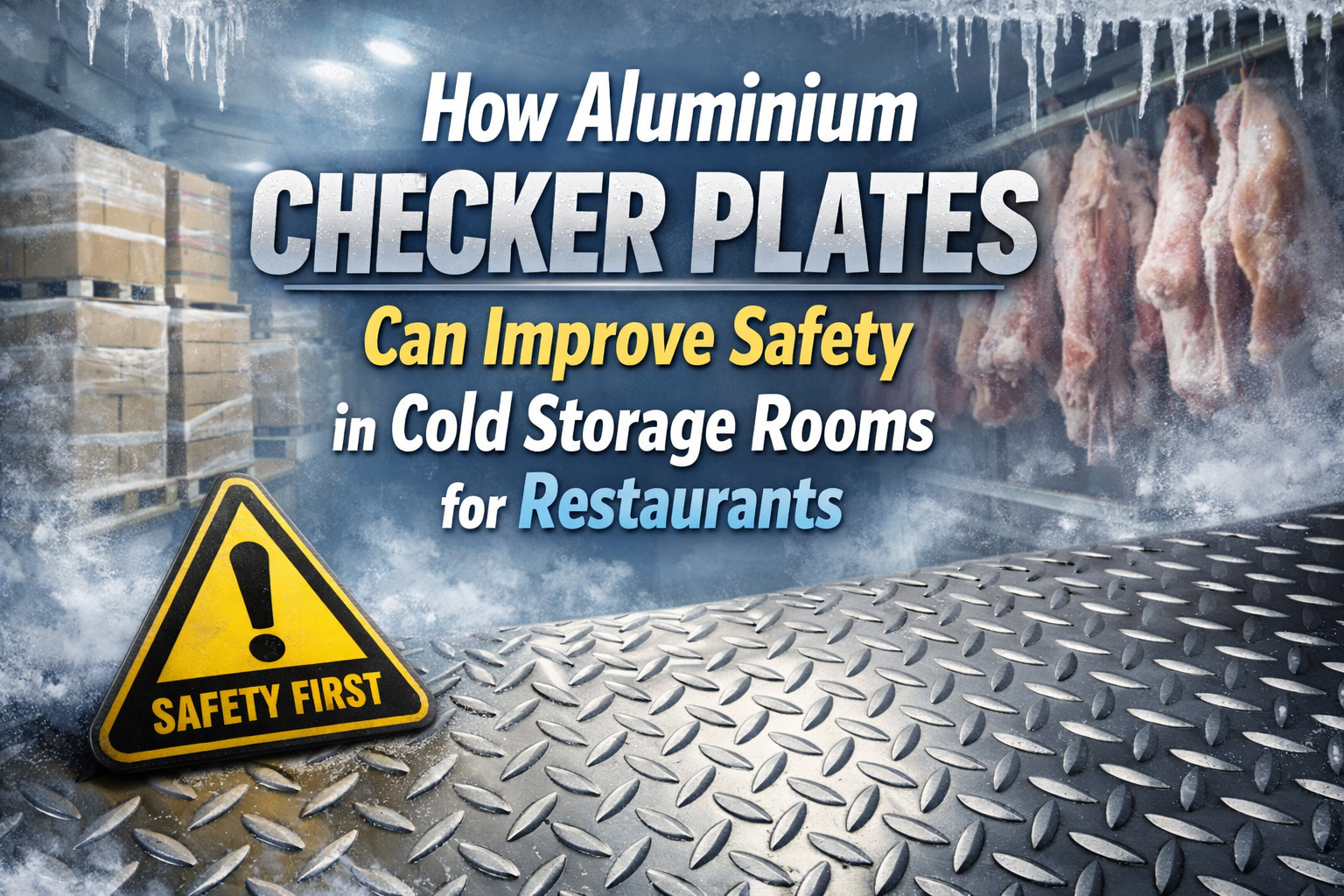
Cold storage rooms are some of the most demanding environments in a restaurant. Staff move in and out quickly while carrying heavy containers of ingredients, deliveries arrive throughout the day, and the floors are constantly exposed to moisture and condensation. Even well maintained cold rooms can become hazardous when ice, water, or food residue builds up underfoot.
Restaurant owners usually focus on refrigeration systems, shelving, and food safety protocols when designing a cold storage area. Flooring often receives less attention until problems start to appear. Slippery surfaces, cracked tiles, or worn coatings can create risks for staff who are already working in tight spaces and low temperatures.
Improving floor safety does not always require a complete renovation. In many kitchens and restaurant storage areas, reinforcing sections of the floor with aluminium checker plates can make a noticeable difference.
Why Cold Storage Floors Are Prone to Slipping
Cold storage rooms operate in an environment where moisture is almost unavoidable. Temperature differences between the cold room and surrounding kitchen areas often create condensation on surfaces. When the door opens repeatedly during busy service periods, warm air enters and moisture forms on the floor.
Water is not the only issue. Small pieces of produce, packaging materials, and spills from containers can accumulate in high traffic zones. Staff members entering the cold room may also carry moisture from the kitchen floor on their shoes.
These conditions make smooth flooring surfaces particularly risky. Even textured tiles or sealed concrete can lose grip when exposed to moisture and cold temperatures.
This is why many restaurant operators look for materials that offer consistent traction regardless of temperature or humidity levels.
Improving Traction in Busy Storage Areas
Cold storage rooms often involve quick movements and tight corners. A chef might enter the room to retrieve ingredients during peak service, while another staff member is restocking shelves at the same time. Workers frequently carry heavy boxes, which makes it harder to notice small hazards underfoot.
The raised pattern found on aluminium plates provides a textured surface that helps maintain grip. Instead of relying entirely on the underlying floor material, the patterned surface creates friction that helps prevent slipping.
In practical terms, this can be especially useful near the entrance to the cold room. The area just inside the door is often the wettest section of the space because warm air meets cold air at that point. Installing reinforced plates there can reduce the chance of staff losing their footing when entering or leaving.
Another common location is the section directly in front of shelving units where employees frequently step while reaching for items.
Protecting Floors from Constant Wear
Restaurant cold rooms experience more wear than many people expect. Staff push carts, drag crates of produce across the floor, and move containers filled with meat, dairy, or beverages. Over time, these activities can damage traditional flooring materials.
Once a floor begins to chip or crack, it becomes more difficult to clean and maintain. Small gaps can trap moisture or food debris, which creates hygiene concerns in a food preparation environment.
Reinforcing certain sections of the floor can prevent this type of damage. When protective plates are installed in high traffic areas, the underlying floor surface remains intact for longer. This helps maintain a smoother and safer working environment.
It also reduces the frequency of repairs, which can be inconvenient for restaurants that rely on their cold storage rooms every day.
A Practical Flooring Solution for Cold Environments
Materials behave differently at low temperatures. Some flooring materials become brittle or lose durability when exposed to constant cold. Others may expand and contract when temperatures fluctuate, which can lead to cracks or loose sections.
Aluminium performs well in these conditions because it remains stable even in cold environments. It does not become fragile or deteriorate easily when exposed to low temperatures and moisture.
This makes aluminium checker plates a practical option for reinforcing sections of cold storage floors where safety is a priority. Their corrosion resistance also helps them withstand cleaning chemicals that are commonly used in food service environments.
Restaurants often choose this type of reinforcement for zones that see the most movement, such as entryways, ingredient storage aisles, or areas where deliveries are unloaded.
Installation Considerations in Restaurant Cold Rooms
Before installing reinforcement plates, it is important to consider how staff move through the cold room during daily operations. Observing traffic patterns can reveal where accidents are most likely to occur.
For example, if employees frequently turn while carrying containers, that corner of the floor may benefit from additional grip. Similarly, if delivery crates are routinely placed near a specific wall before being stored, reinforcing that area can prevent damage to the floor.
Proper installation is essential. Plates should be secured firmly to prevent movement underfoot. Fasteners must be recessed so they do not create new tripping hazards.
Restaurants should also ensure that reinforced flooring remains easy to clean. Smooth transitions between the plates and the surrounding floor help prevent food debris from becoming trapped.
Maintenance teams typically prefer installations that allow individual sections to be removed if repairs are needed. This flexibility helps avoid major disruptions to kitchen operations.
Maintaining Hygiene While Improving Safety
Food safety regulations require restaurant cold storage rooms to remain clean and sanitary at all times. Any flooring reinforcement must support these hygiene standards.
Aluminium surfaces are relatively easy to clean using standard kitchen sanitation practices. Routine washing and disinfecting remove residue without damaging the metal surface.
The raised pattern also allows small amounts of moisture to drain away instead of forming large puddles. This reduces the time water remains on the floor and helps maintain a safer walking surface.
Regular inspections are still important. Staff should check that plates remain securely fixed and that no edges have lifted over time.
Conclusion
Cold storage rooms are busy spaces where safety and efficiency must work together. Slippery floors, damaged surfaces, and constant moisture can make these environments challenging for restaurant staff.
Reinforcing high traffic areas with aluminium plates provides additional traction while protecting the underlying floor from long term wear. When installed in strategic locations, aluminium checker plates can help reduce slip hazards and create a safer working environment inside restaurant cold storage rooms.