
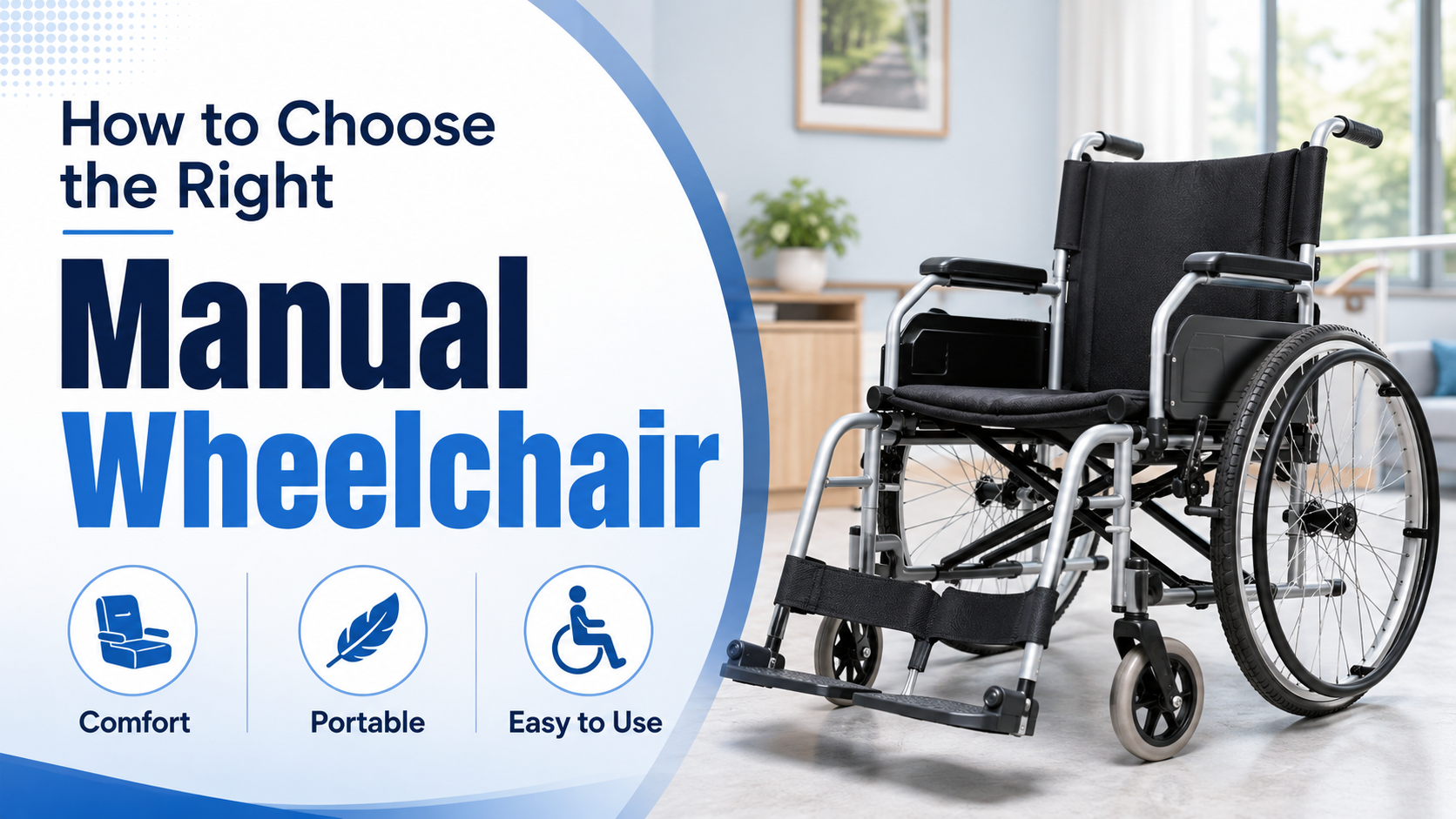
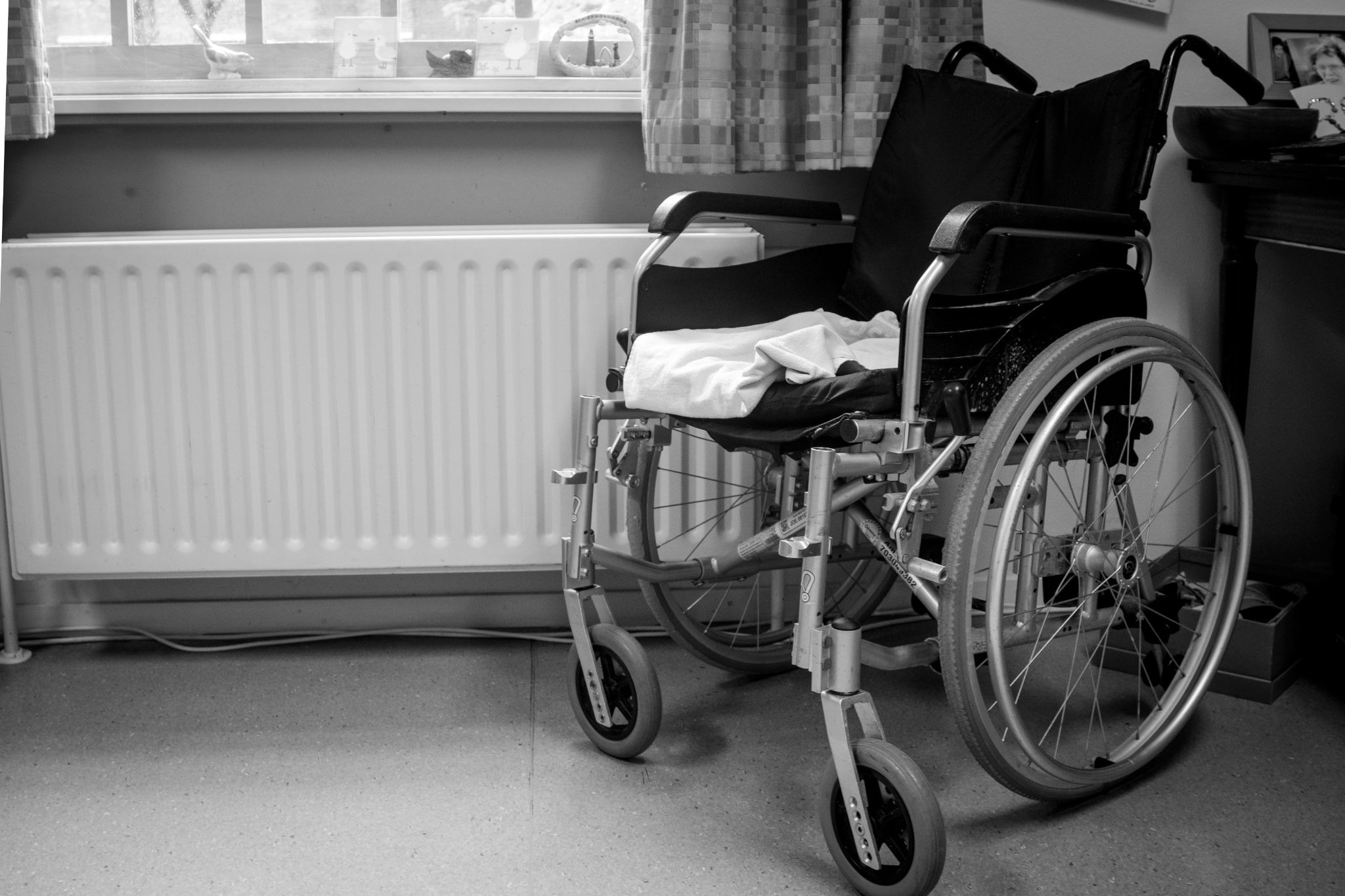
Choosing a wheelchair is a deeply personal decision that affects comfort, independence, and daily life.
A manual wheelchair, in particular, can offer freedom and mobility while remaining simple, reliable, and easy to live with.
The challenge is that the options vary widely, from lightweight travel chairs to sturdy self-propelled models.
This guide explains the main types, the features that matter most, and how to choose a chair that genuinely suits the user.
Key Takeaways
-
A manual wheelchair offers reliable, low-maintenance mobility for home, care, and community use.
-
The main types are transit chairs, pushed by a caregiver, and self-propelled chairs.
-
Weight, folding design, braking, and seating comfort are the features that matter most.
-
The right chair depends on the user's strength, lifestyle, and where it will be used.
-
Manual chairs suit independent users and caregiving environments alike.
What Is a Manual Wheelchair?
A manual wheelchair is a non-powered chair moved either by the user or by a caregiver. It relies on a sturdy frame, comfortable seating, and good wheels rather than a motor and battery.
This simplicity is a big part of its appeal for many people. There is no charging, fewer parts to maintain, and the chair is usually lighter and easier to transport than a powered model.
Manual chairs support mobility across a wide range of settings. They work well at home, in hospitals, around the community, and in aged-care environments where dependable everyday movement matters.
Cost is another reason many people start with a manual chair. They are generally more affordable than powered options, which makes quality construction easier to prioritize within a budget.
Transit or Self-Propelled?
The first key decision is whether the user will move the chair themselves or be pushed. This single choice shapes almost everything else about the chair.
A transit chair is designed to be pushed by a caregiver, with smaller rear wheels and a lighter, more compact build. It suits people who need assistance to get around and value easy handling and transport.
A self-propelled chair has large rear wheels with hand rims, so the user can move independently. It offers more autonomy for those with the upper body strength to propel and control the chair themselves.
Many people weigh this against how the chair will mostly be used. An independent user may prefer self-propelled, while occasional outings with a carer may point toward a transit model.
The Features That Matter Most
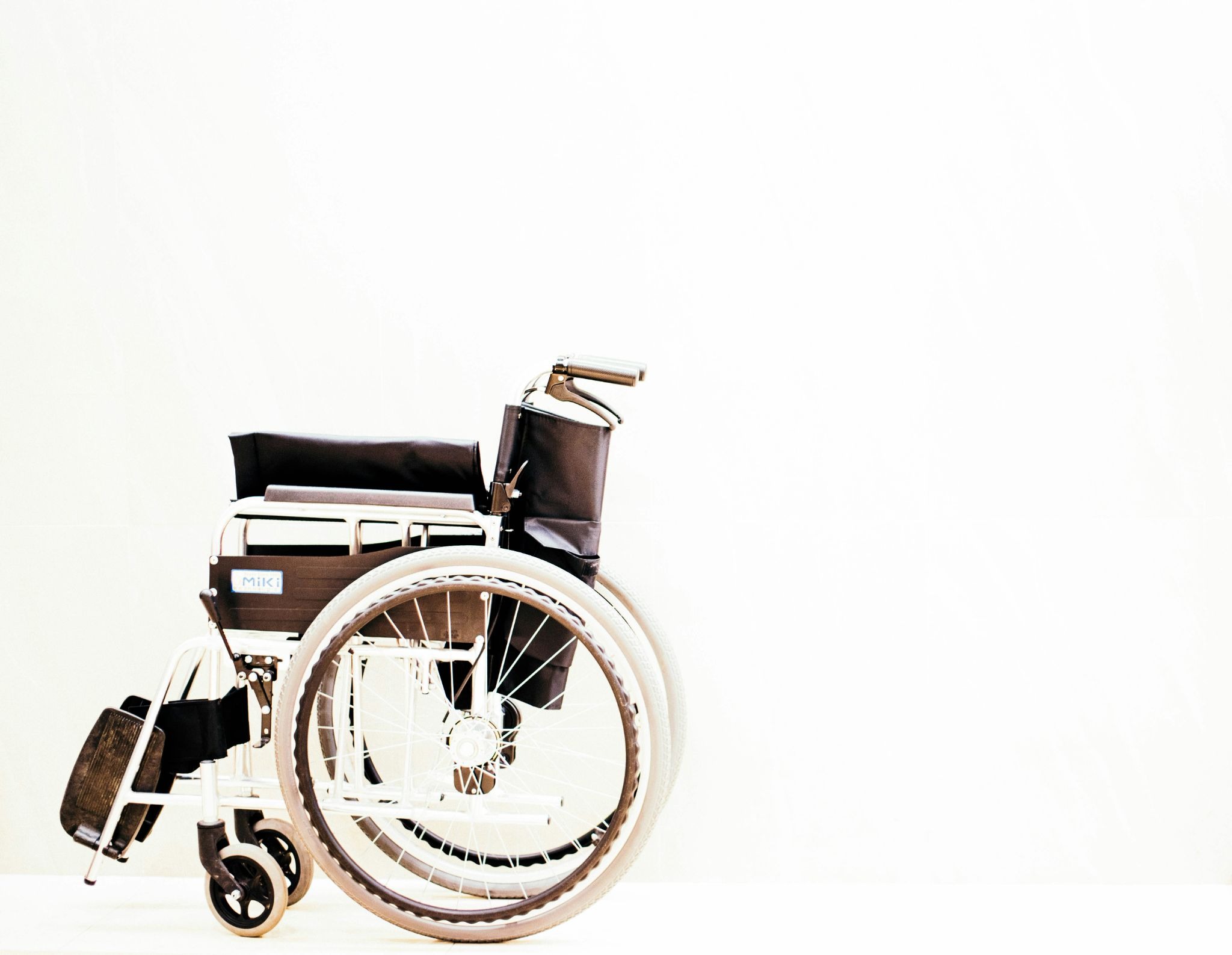
Once the type is settled, a few core features make the biggest difference day to day. Weight, folding design, braking, seating, and footrests all shape how comfortable and practical a chair really is.
Weight and portability are often the first concern, especially for travel. Lightweight models that fold compactly are far easier to lift into a car boot or store in a small space.
Braking is central to safety and confidence. A secure dual braking system, with front and rear brakes, allows controlled movement and stable parking on slopes and uneven ground.
Seating comfort matters enormously for anyone sitting for long periods. Breathable, cushioned seats and supportive backrests reduce fatigue and help prevent pressure issues over time.
Wheel and suspension quality round out the core features to check. Larger rear wheels and a suspension system absorb bumps and improve stability, which makes a noticeable difference on uneven paths.
Comfort, Access, and Everyday Use
Beyond the basics, smaller design details can transform the experience. Swing-away or detachable footrests make it easier to get in and out of the chair while keeping the legs properly positioned.
Armrests are another feature worth considering carefully. Fixed armrests give dependable upper body support, while flip-up or liftable styles make side transfers safer and more convenient.
Easy-clean surfaces are especially valuable in care settings and for daily use. Waterproof or water-resistant upholstery wipes down quickly and stands up to everyday wear.
Where Manual Wheelchairs Fit Best
Manual chairs are remarkably versatile across different users and environments. They suit independent individuals looking for a reliable, self-driven chair for everyday activities.
They are equally at home in caregiving environments. Hospitals, aged-care homes, rehabilitation centres, and assisted living settings all rely on dependable, easy-to-handle manual chairs.
The same chair often needs to move smoothly indoors and out. Good models handle home flooring, pathways, and community spaces with comfort and stability across varied surfaces.
Choosing the Right Chair for You

With the options clear, the best approach is to match the chair to the person. Looking at a dedicated range of manual wheelchair options makes it easier to compare features against the user's strength, lifestyle, and daily routine.
It helps to think honestly about how and where the chair will be used most. A frequent traveller has different priorities from someone using the chair mainly at home or in a care facility.
Buying from a trusted Australian supplier adds peace of mind to the decision. Quality construction, clear product information, and reliable support all matter when choosing equipment used every day.
Conclusion
A manual wheelchair can be a genuinely life-enhancing piece of equipment when it is chosen well. The right chair supports comfort, dignity, and independence, whether for an individual or within a care setting.
Start by deciding between transit and self-propelled, then weigh the features that matter most for the user. Get those choices right, and the chair becomes a dependable companion for everyday life.
Frequently Asked Questions
What is the difference between a transit and a self-propelled wheelchair?
A transit wheelchair has smaller rear wheels and is designed to be pushed by a caregiver. A self-propelled wheelchair has large rear wheels with hand rims, allowing the user to move independently without being pushed.
Are manual wheelchairs easy to transport?
Yes, many manual wheelchairs are lightweight and fold compactly for storage and travel. This makes them easier to lift into a car boot or store in a small space than most powered alternatives.
Are manual wheelchairs suitable for care settings?
Yes, durable frames, secure brakes, and easy-clean surfaces make them well-suited to hospitals, aged care, rehabilitation, and assisted living. Their simplicity also makes them practical for caregivers to handle day to day.
What features should I look for in a manual wheelchair?
Focus on weight and folding design, a secure braking system, comfortable cushioned seating, and practical footrests and armrests.
The right combination depends on the user's strength, comfort needs, and where the chair will be used.
Can a manual wheelchair be used both indoors and outdoors?
Yes, many models are designed for stable, comfortable movement across home flooring, pathways, and community spaces. Features like good wheels and suspension help the chair handle varied surfaces smoothly.