
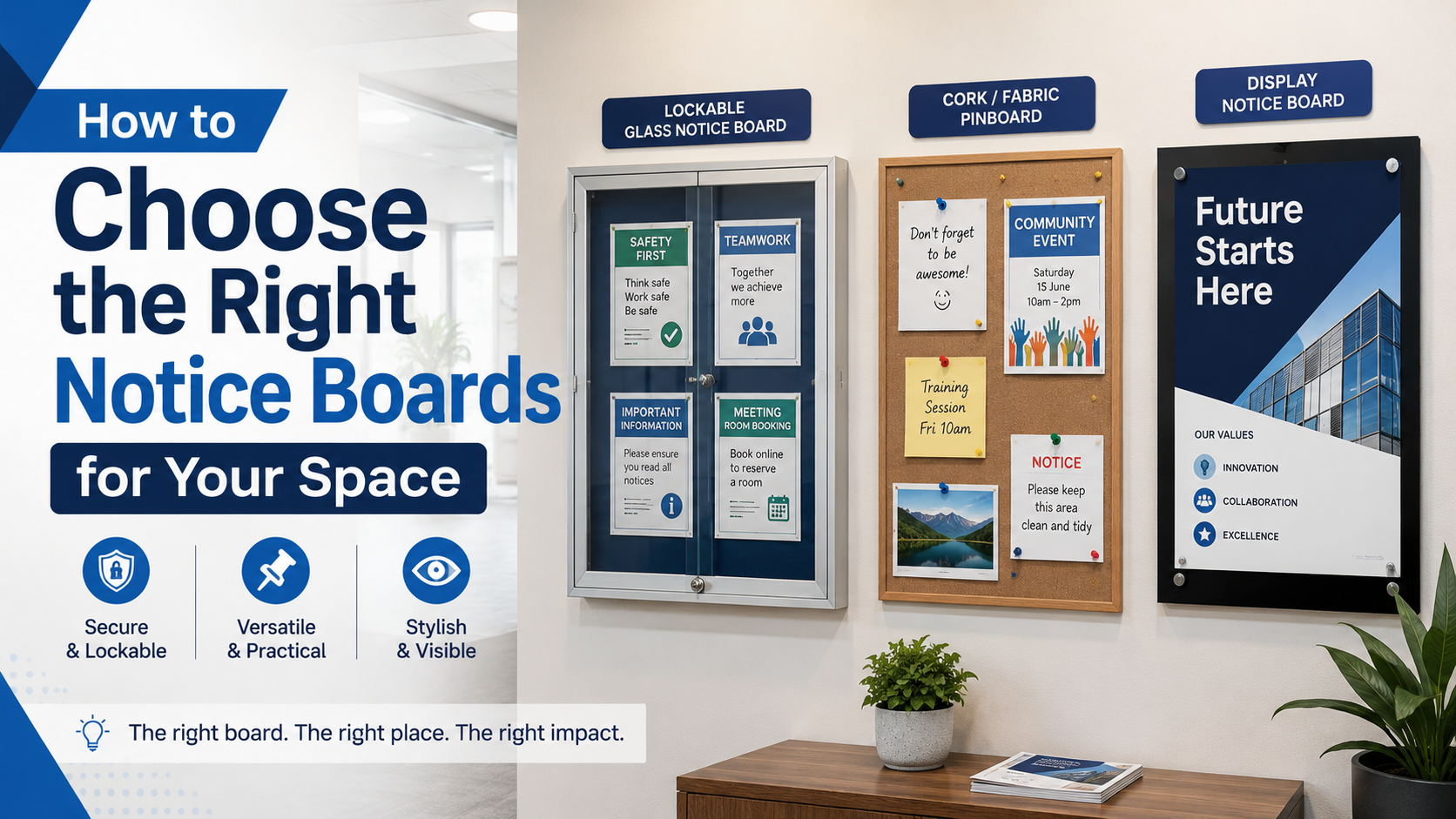
A notice board is one of those simple tools that quietly keep an organisation running. From school corridors to office foyers, it is where important information is shared, seen, and kept up to date.
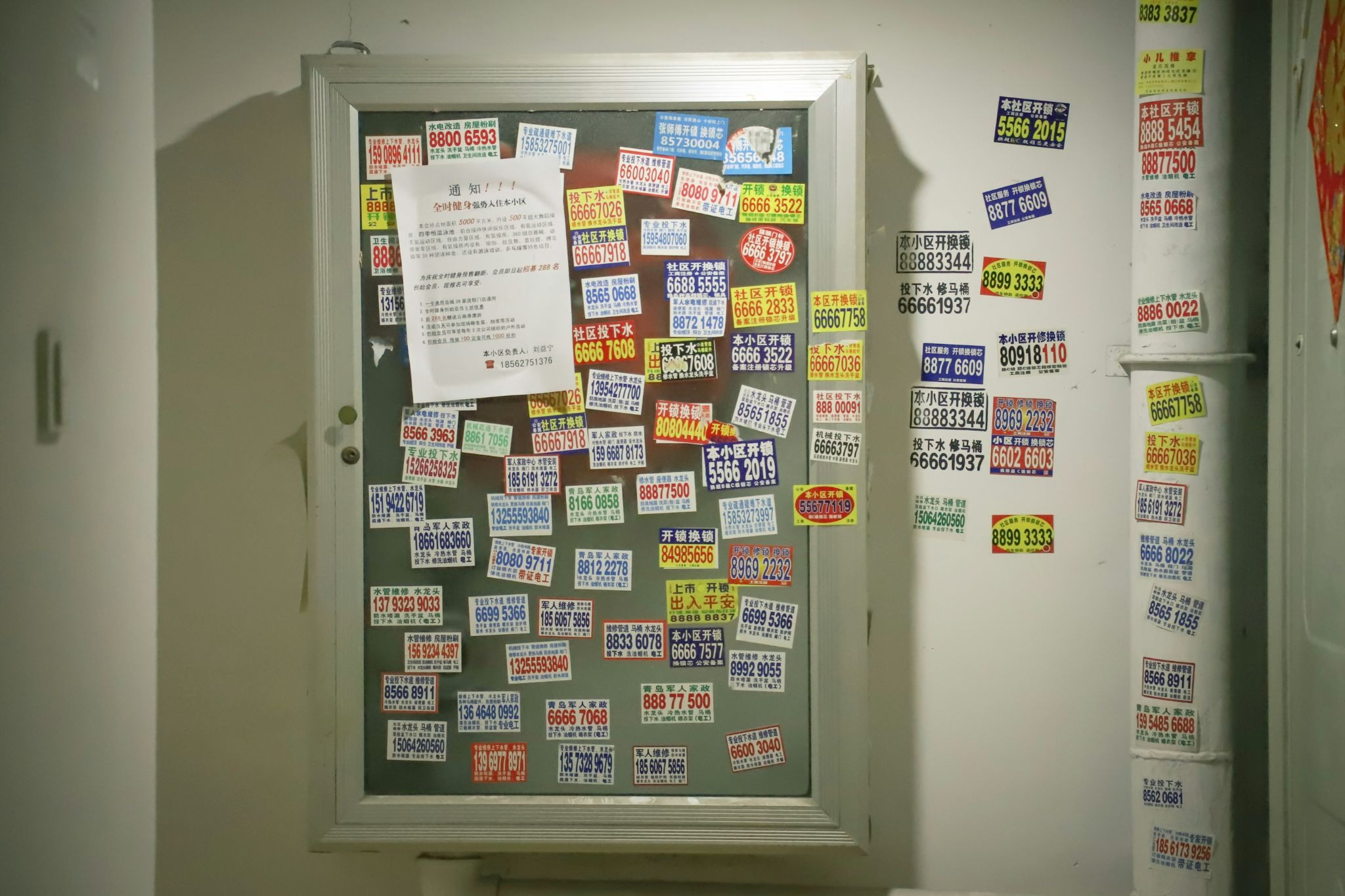
The trouble is that not all notice boards are equal, and the wrong choice can lead to damaged notices or tampered displays.
This guide explains the main types, where each one fits, and how to choose a board that works for your space.
Key Takeaways
-
Notice boards keep important information visible, organised, and accessible in shared spaces.
-
The main choices come down to indoor versus outdoor and open versus lockable.
-
Lockable boards protect notices from tampering, theft, and weather damage.
-
Surface material, size, and location all shape which board is right for you.
-
Schools, offices, hospitals, and community spaces each have different display needs.
Why Notice Boards Still Matter
In a world of screens and group chats, a physical notice board still earns its place. It puts key information in a fixed, visible spot where the right audience will naturally see it.
That reliability is exactly why schools, businesses, and public spaces continue to use them. A well-placed board communicates announcements, schedules, and notices without anyone needing to log in or check a feed.
The key is choosing a board suited to its setting and purpose. A display in a busy public area has very different demands from one in a quiet staff room.
There is also a cost angle worth keeping in mind from the start. A board matched correctly to its environment lasts far longer than a cheaper option that is not built for the conditions it faces.
Open or Lockable?
The first real decision is whether you need an open board or a lockable one. An open board is quick and convenient, ideal for spaces where anyone is meant to pin and update notices freely.
A lockable board adds a layer of security that many settings genuinely need. With a tamper-proof lock, only authorised people can change the contents, which protects official notices from being removed or altered.
This matters most in public or high-traffic areas. Schools, universities, hospitals, churches, and clubs all benefit from keeping their displays secure while remaining clearly visible.
Indoor or Outdoor?
Location is the next factor, and it changes the build of the board entirely. Indoor boards focus on a clean, professional look with pin-friendly surfaces for offices and educational settings.
Outdoor boards are a different proposition altogether. They need to be weather-resistant, with sealed edges, waterproof panels, and corrosion-proof frames that stand up to rain, dust, and wind.
Getting this right protects your investment over the long term. An indoor board placed outside will quickly deteriorate, while a weatherproof outdoor model keeps notices intact through changing conditions.
Choosing the Right Type of Board
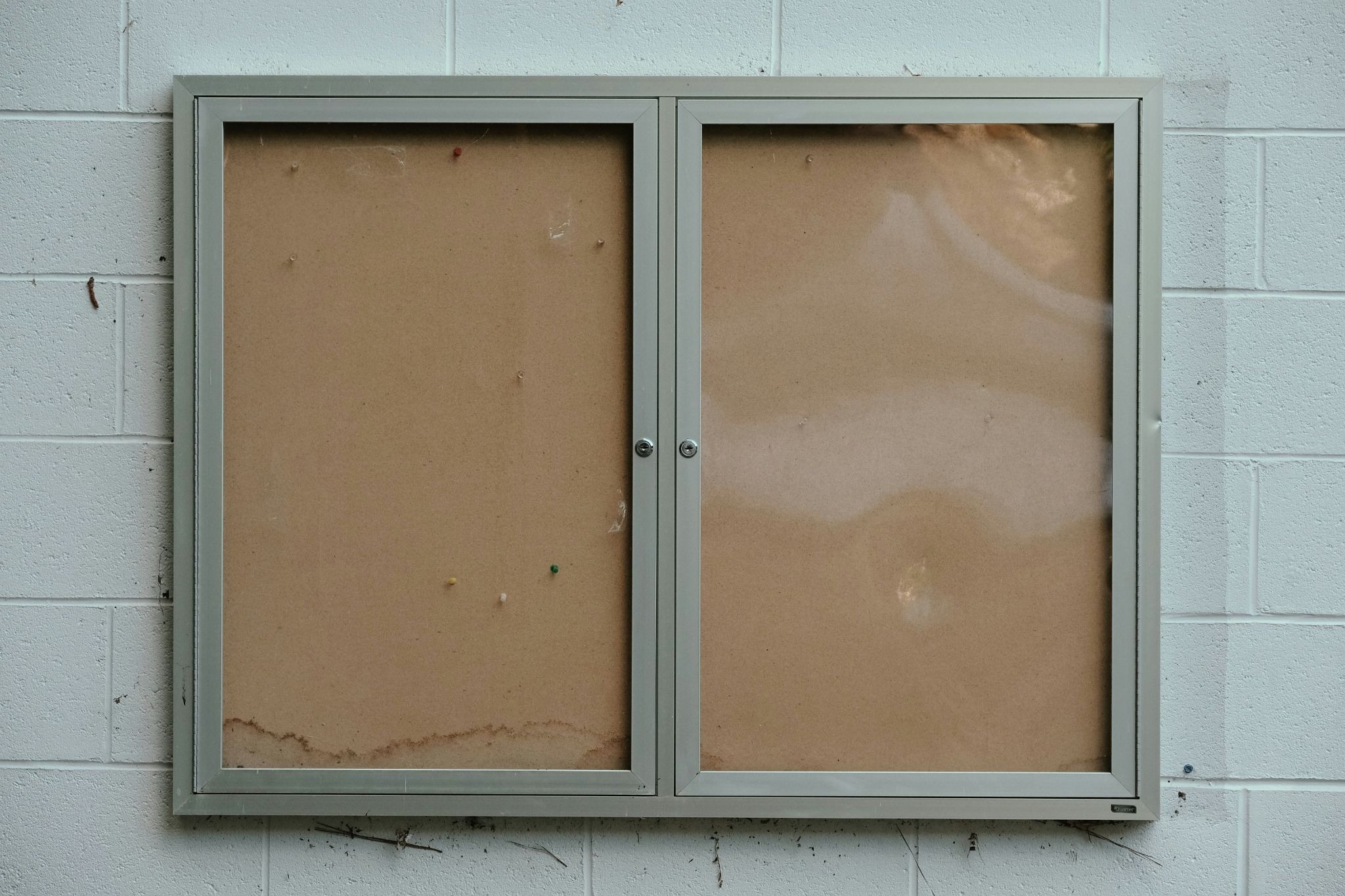
Once you know the setting, it helps to look at the specific options available. A good supplier of notice boards will offer a categorised range so you can match the board to the job.
Outdoor lockable boards are built for external displays in public spaces. They combine reinforced aluminium frames and waterproof glass or polycarbonate panels with secure locks for durability and protection.
Indoor lockable boards suit offices and schools that want a secure yet professional display. They keep notices tidy behind a clear cover while still allowing controlled updates.
Enclosed bulletin boards and cabinets sit at the higher-security end of the range. With lockable doors, they are ideal for important notices and documents that must stay protected from tampering.
Surface Materials and Sizes
The surface of a board affects both how it looks and how it is used. Cork and fabric surfaces are designed for push pins and tacks, making them easy to update with everyday notices.
Glass and other enclosed surfaces offer a more formal, polished appearance. They suit corporate settings or official notices where presentation and protection both matter.
Size is the other practical consideration that is easy to underestimate. Boards come in a range of dimensions, often described by how many A4 sheets they hold, so it is worth matching capacity to how much you actually need to display.
It also helps to think about orientation when planning a layout. Some boards suit portrait displays while others are built for landscape, and the right choice keeps your notices easy to read at a glance.
Matching the Board to Your Setting
Different environments call for different combinations of these features. An office might want a sleek indoor lockable board, while a school entrance may need a larger, more secure display for the whole community.
Hospitals and clinics often need clear, protected displays for important information. Retail stores and corporate settings tend to prioritise a professional appearance that reflects the brand.
Thinking through location, security, and usage together leads to the best result. A board chosen with all three in mind will serve its purpose reliably for years.
Installation and Practical Tips
Most quality notice boards are designed to be straightforward to mount. Many come with pre-drilled holes and an installation kit including screws, pins, and keys, so they can be set up and used right away.
It is worth confirming a few practical details before you buy. Check whether the board is intended for landscape or portrait mounting, and whether the supplier offers fast dispatch if you need it quickly.
Conclusion
Choosing the right notice board comes down to understanding your space and what it needs to do. Decide between indoor and outdoor, open and lockable, then match the surface and size to your purpose.
Get those basics right and a good notice board becomes a quiet, dependable asset. It keeps your information visible, secure, and professional, day in and day out, for years to come.
Frequently Asked Questions
What is a lockable notice board?
A lockable notice board is a display board fitted with a tamper-proof lock and a protective cover. It keeps notices secure from removal or alteration while still allowing them to be clearly seen.
Are outdoor notice boards weatherproof?
Yes, outdoor notice boards are built to be weather-resistant with sealed edges, waterproof panels, and corrosion-proof frames. These features protect the contents from rain, dust, and wind in external locations.
Where are lockable notice boards commonly used?
They are popular in schools, universities, hospitals, churches, clubs, offices, and retail settings. Any space that displays important information in a public or high-traffic area benefits from a secure board.
What surface should I choose for a notice board?
Cork and fabric surfaces are ideal for push pins and tacks, making them easy to update regularly. Glass and enclosed surfaces offer a more formal look and added protection for official notices.
Do notice boards come with installation hardware?
Many notice boards are supplied with pre-drilled holes and an installation kit, including screws, pins, and keys.
This makes them easy to mount securely, though installation services are not always included.