
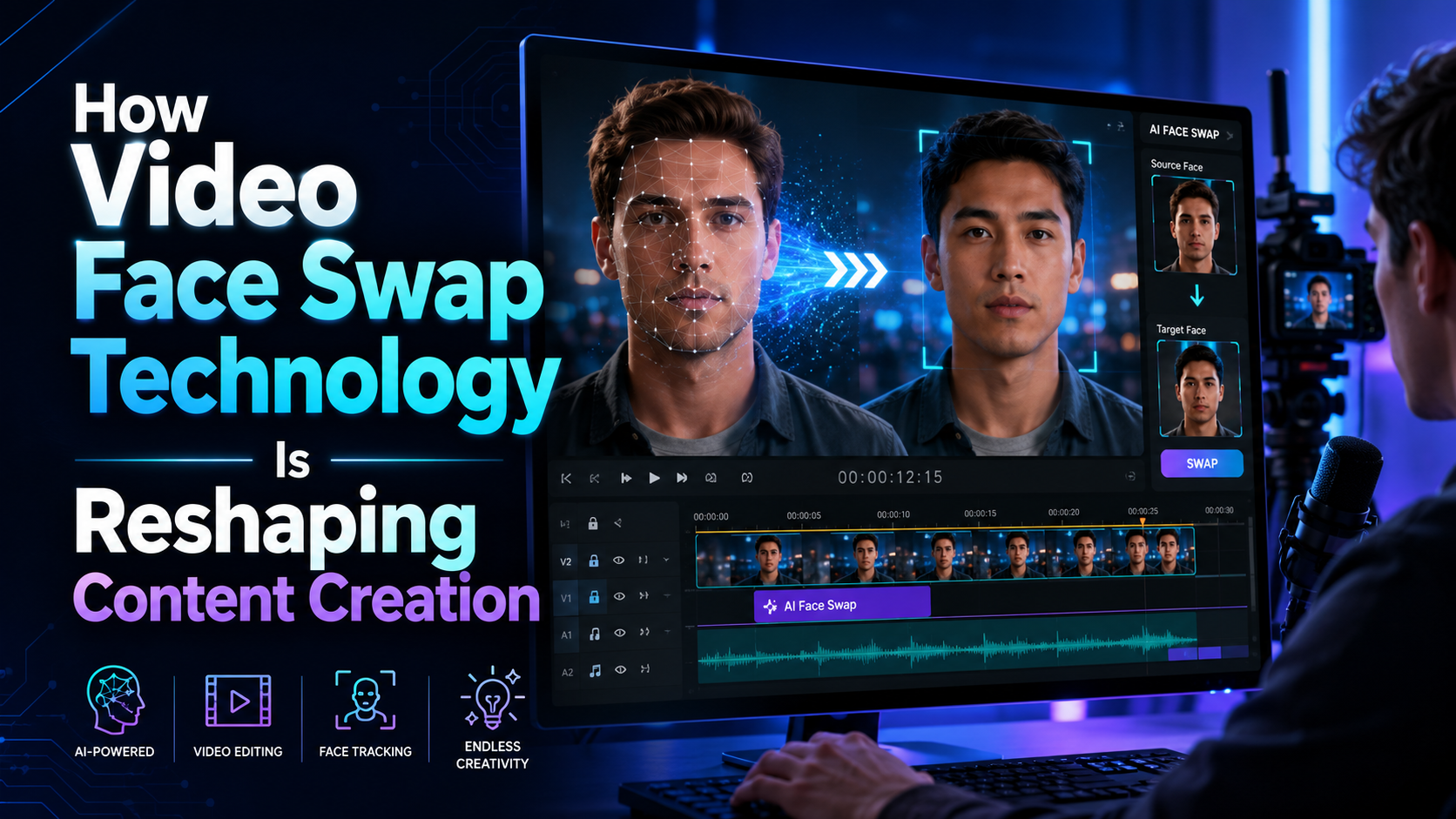
The first time I watched a creator seamlessly swap their face into a classic movie scene and post it as a fifteen-second reel, I knew the landscape had shifted. What used to require a VFX team, hours of rotoscoping, and a budget most independents could never justify is now something you can pull off during a lunch break. Face-swapping in video has moved from a niche curiosity to a mainstream creative tool, and the speed of improvement over the past year alone has been staggering.
But with dozens of platforms promising one-click magic, the real question isn't whether you can swap a face in a video — it's how to do it well, without uncanny-valley artifacts, audio-sync issues, or results that scream "deepfake." That's the gap worth exploring.
Why Video Face Swap Matters Beyond the Memes
Most people first encounter face-swapping through comedy clips or social media gags, but the professional applications run much deeper. E-commerce brands use it to localize ad campaigns by swapping a model's face to match regional demographics without reshooting. Film students test casting choices before committing to production. Corporate trainers create scenario-based learning videos where a single presenter appears as multiple characters.
The technology works by mapping facial landmarks in a source image or video, then blending those features onto a target face frame by frame. Early versions struggled with lighting mismatches and jawline distortion, but modern implementations — particularly those built on diffusion-based architectures — handle occlusion, head turns, and expression transfer far more gracefully.
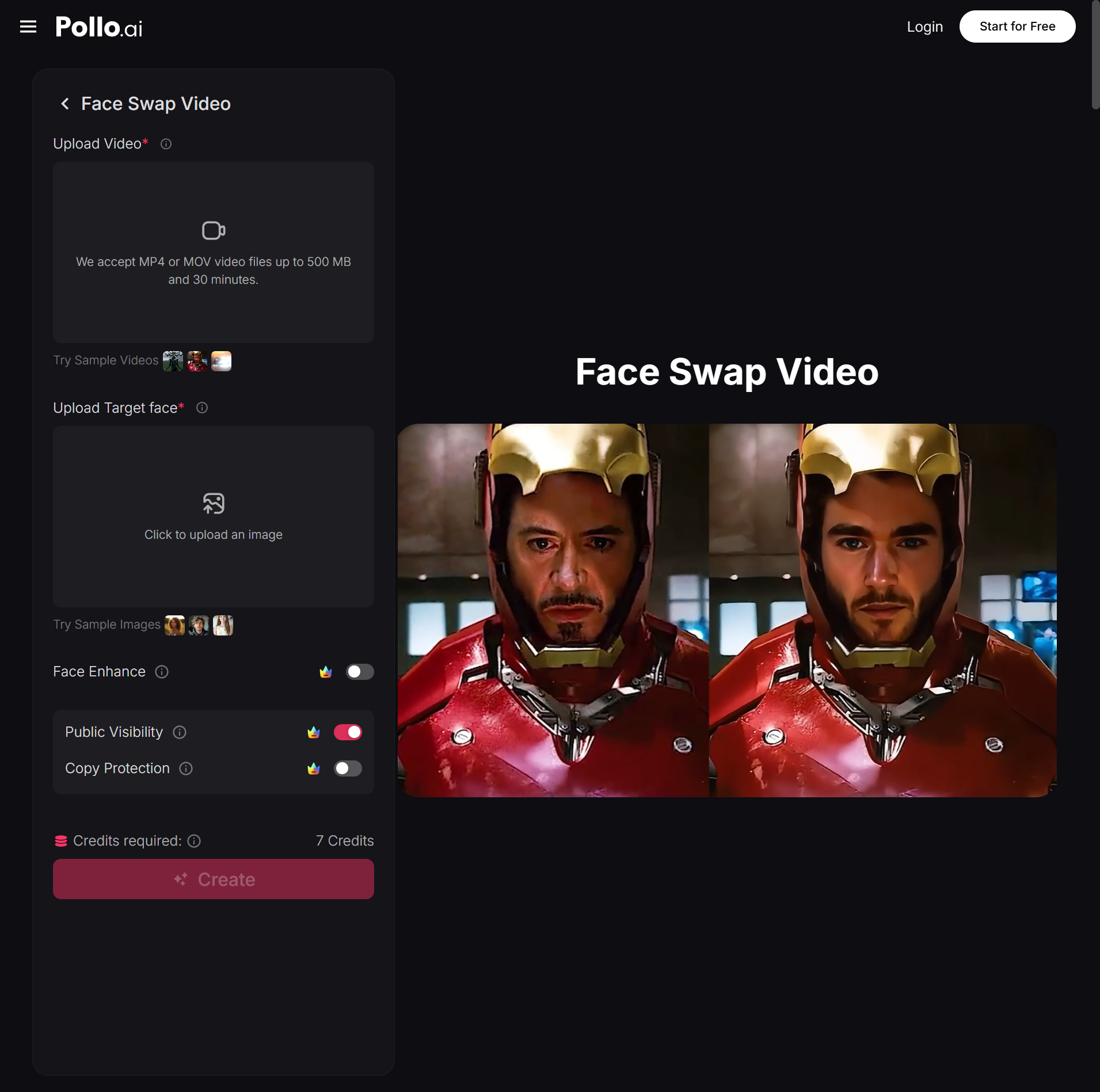
Pollo AI has leaned into this space with a dedicated video face swap pipeline that processes clips at surprisingly high fidelity. What stood out to me when testing it was how well it preserved micro-expressions around the eyes and mouth, which is usually where cheaper tools fall apart. Pollo AI keeps the output looking natural even when the source and target faces have noticeably different bone structures, which is a harder problem than most people realize.
The practical upside is clear: creators who previously needed After Effects and a weekend now get usable results in minutes.
Getting Better Results: What Most Tutorials Miss
If you've tried face-swapping and ended up with something that looks like a melted wax figure, you're not alone. The tool matters, but so does your input material. A few principles make a dramatic difference.
Lighting consistency is the single biggest factor. If your source face is lit from the left and the target video has overhead fluorescent lighting, no algorithm will fully compensate. Matching the general direction and color temperature of the light source before you start saves you from uncanny results on the back end.
Resolution also plays a larger role than people expect. Uploading a 480p source photo and expecting it to blend into a 1080p video clip creates a texture mismatch that the model has to hallucinate its way through. Starting with the highest-resolution source material you can find gives the model more data to work with and produces cleaner edges around the hairline and jaw.
Head angle is another underappreciated variable. A straight-on passport-style photo works for target footage where the subject is facing the camera, but if the target involves profile shots or dramatic head tilts, providing multiple reference angles — or a short video clip as the source — yields noticeably better output.
Comparing the Current Generation of Face Swap Tools
The market has matured enough that there are genuine differences in approach worth understanding. Not every tool handles the same use cases equally well.
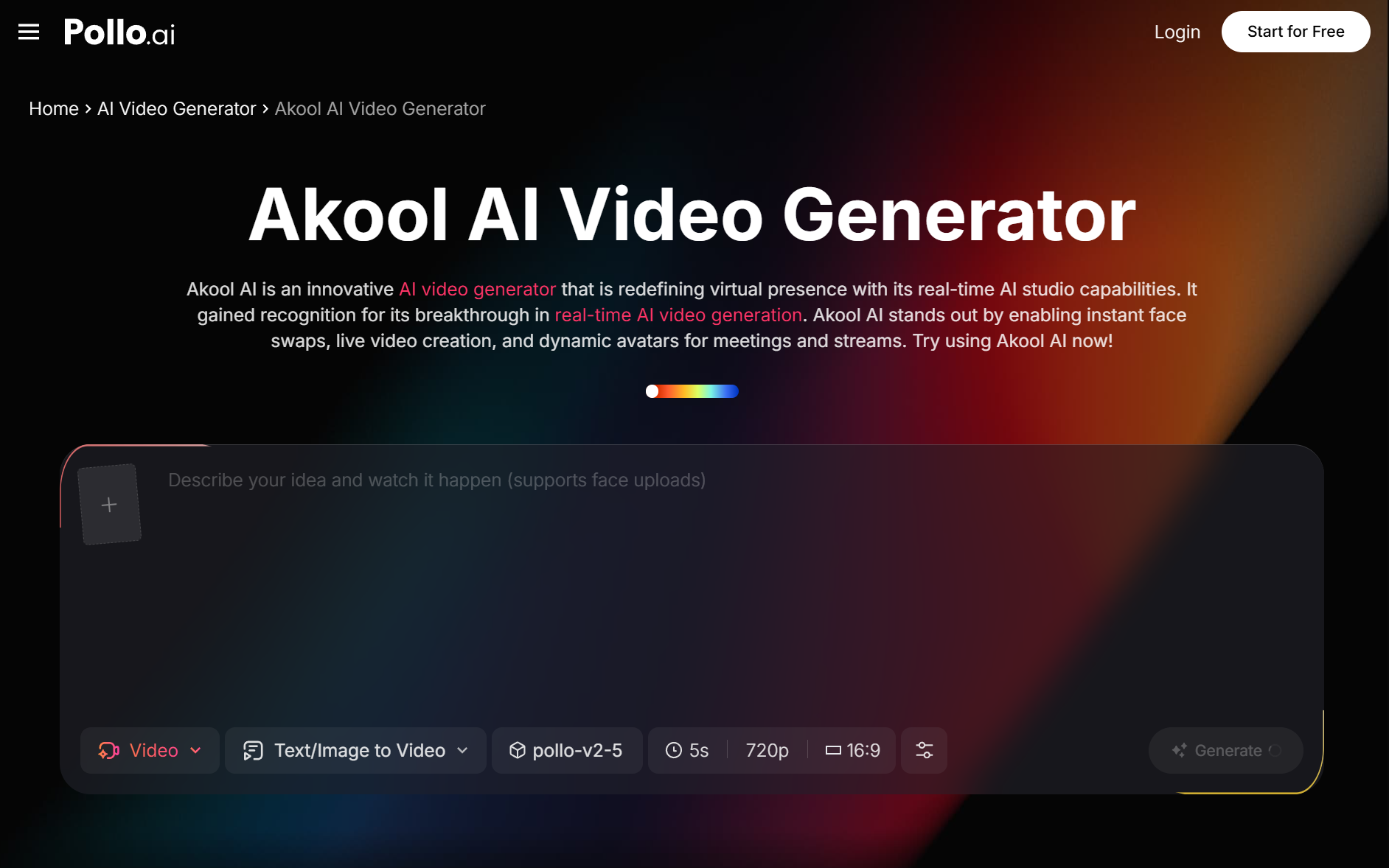
Akool AI takes an interesting approach by focusing on marketing and commercial use cases, offering face swap alongside broader video personalization features. It's designed for teams that need to produce localized ad variations at scale, and its batch-processing workflow reflects that priority. If you're running a campaign across multiple markets, it's worth evaluating. Pollo AI hosts an overview of Akool's capabilities for anyone who wants to compare side by side before committing to a workflow.
Reface, which gained popularity as a mobile app, remains a solid option for casual, short-form swaps — think GIFs and clips under ten seconds. It's fast and fun but starts to show limitations with longer footage or when you need frame-level control over the output.
DeepFaceLab is the open-source heavyweight. It offers the most granular control of any tool available, but the learning curve is steep and the processing time is significant. It's best suited for users who are comfortable with command-line tools and have access to a decent GPU.
What makes Pollo AI a compelling middle ground is that it balances quality with accessibility. You don't need to install anything locally or understand model architectures. The web-based interface handles the heavy lifting, and the results compete with tools that demand far more technical setup.
Ethical Guardrails and Responsible Use
No conversation about face-swapping is complete without addressing the obvious concern: misuse. The same technology that lets a filmmaker test casting ideas can be weaponized for misinformation or harassment.
Reputable platforms have responded by building in consent verification steps, watermarking outputs, and restricting certain categories of content. As a user, the ethical baseline is straightforward — don't swap someone's face without their permission, and don't create content designed to deceive. Most platforms, including Pollo AI, include terms of service that explicitly prohibit non-consensual use, and the industry is moving toward standardized detection metadata that makes AI-generated face swaps identifiable.
Where This Technology Is Heading
The next frontier is real-time face swapping in live video — think video calls, live streams, and interactive media. Latency is still a challenge, but the gap is closing fast. Within the next year, expect to see tools that let you swap faces on a live Zoom call with minimal perceptible delay.
For creators and marketers working today, the practical takeaway is simple: the barrier to high-quality face-swapped video content has dropped to nearly zero. The tools are here, they work, and the differentiator is no longer access to technology — it's the creativity and intentionality you bring to using it.