
In the modern digital age, our homes are often praised for their aesthetic design, architectural smarts, and high-end finishes. We curate our indoor spaces to be extensions of our personal style, building automated sanctuaries that effortlessly manage lighting, security, and entertainment at the touch of a button. Yet, beneath the polished plasterboard and custom timber joinery lies a complex network of mechanical infrastructure that keeps the entire ecosystem functional. Among these, the climate control network is the ultimate unsung hero.
We take its seamless operation for granted, treating consistent thermal comfort as an absolute baseline. However, mechanical systems operate under the immutable laws of physics and engineering. They are subject to immense operational stress, friction, and electrical loads - meaning they are statistically most vulnerable to catastrophic failure precisely when we require them the most.
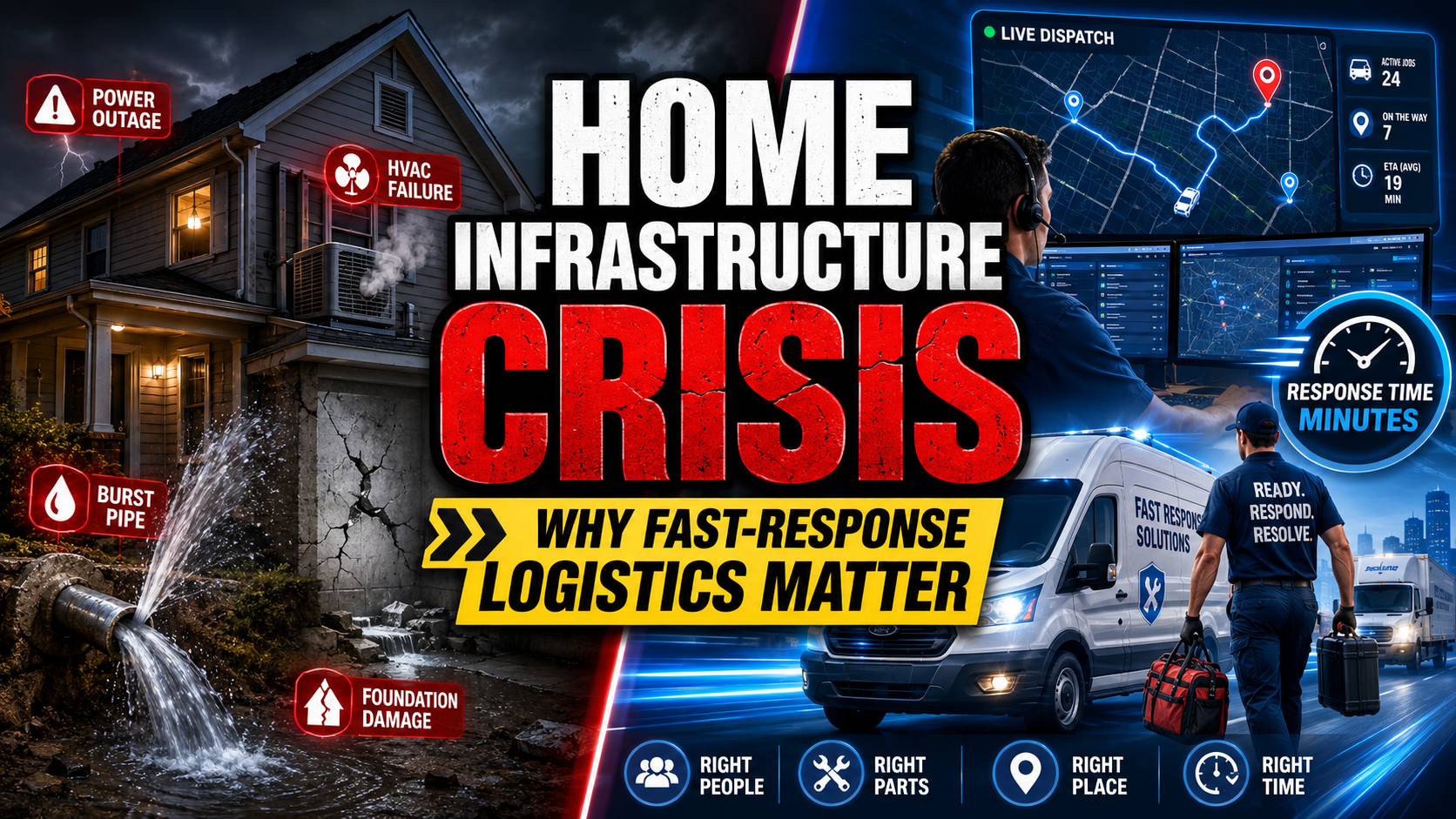
When a climate system suffers a total breakdown during a severe weather event, it triggers an immediate home infrastructure crisis. In a matter of hours, an unconditioned house can cross the line from slightly uncomfortable to genuinely unliveable, disrupting remote work environments, threatening sensitive home technology, and impacting family wellness. Navigating these high-stress situations requires moving past panic and understanding the invisible logistics, safety parameters, and fast-response frameworks that govern emergency mechanical restoration.
1. The Cascading Effects of Climate Volatility
The Australian climate is notoriously unforgiving, defined by rapid shifts, intense humidity traps, and extreme thermal spikes. When a home’s primary heating or cooling system shuts down unexpectedly, the consequences are rarely confined to a simple temperature variance. The failure sets off a chain reaction across the entire property.
The Thermal Trap of Modern Insulation
Modern residential construction heavily prioritises high thermal insulation and airtight sealing. While this is incredibly beneficial for energy efficiency during normal operations, it becomes a distinct disadvantage during an infrastructure failure. If a system breaks down during a sweltering forty-degree afternoon, the building envelope acts as a greenhouse, trapping incoming radiant heat and preventing stagnant air from escaping. Within hours, internal temperatures can surpass outdoor conditions, turning living zones into high-stress environments for children, elderly family members, and domestic pets.
The Digital Threat: Server Rooms and Smart Hubs
As the hybrid workforce expands, contemporary homes frequently house substantial digital assets, including dedicated server racks, network-attached storage (NAS) devices, and intricate smart home automation hubs. These sensitive electronic components generate significant ambient heat and rely entirely on a stable, conditioned environment to prevent processor degradation. A sudden thermal spike caused by a mechanical failure can trigger automatic hardware shutdowns, data corruption, or permanent equipment failure, transforming a domestic comfort issue into a costly commercial loss.
2. Behind the Scenes of a Mechanical Breakdown
To understand why a system suddenly stops responding, it is vital to look at the invisible electronic and thermodynamic processes occurring within the machinery. Air conditioning units are not simple appliances, they are closed-loop chemical and electrical pumps operating under high pressures.
-
Inverter Control Fluctuation: Modern climate systems utilise highly sensitive inverter boards to modulate power delivery. During extreme weather events, the broader electrical grid faces massive demand surges, which can cause micro-fluctuations in localised power quality. These electrical spikes can easily scorch delicate control paths on an unprotected mainboard, bringing the entire system to an immediate standstill.
-
Refrigerant Pressure Imbalances: Extreme outdoor ambient heat forces the compressor motor to work significantly harder to dissipate thermal energy. If the system has a microscopic, undetected refrigerant leak, the drop in pressure combined with the intense external heat will cause the unit to short-cycle or activate safety lockouts to prevent total mechanical seizure.
-
Airflow Strangling: A system that has been left running continuously without maintenance will accumulate dust and debris across its internal coils and filtration mesh. This restriction starves the fan motor of air, forcing the compressor to overheat and trip internal thermal overloads, usually right in the middle of a weekend or an after-hours period.
3. The Logic of Professional Intervention over DIY Risks
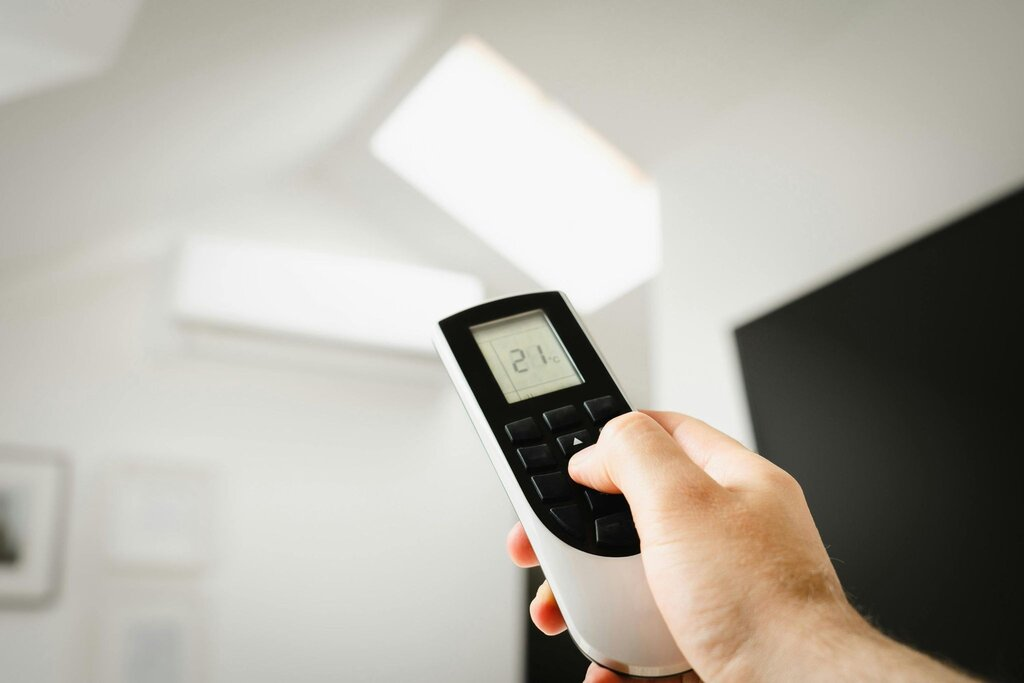
When faced with a flashing diagnostic code on a wall controller on a freezing winter night or a sweltering summer weekend, the temptation to jump online and seek a quick DIY solution can be incredibly high. However, residential climate networks operate on high-voltage electrical circuits and utilise specialised chemical refrigerants governed by strict environmental laws.
Attempting to force-restart a locked-out compressor or poking around complex wiring enclosures without diagnostic instruments is an exceptionally high-risk approach. It can easily turn a simple, rectifiable sensor fault into a catastrophic electrical short that destroys the entire outdoor unit, completely voiding manufacturer warranties in the process.
When a genuine infrastructure breakdown occurs, safeguarding your property requires bypassing amateur troubleshooting and relying on a specialist who provides emergency 24-hour air con repairs across the region. A dedicated, licensed technician brings more than just tools to a crisis; they bring diagnostic precision, ensuring that the root cause of the system failure is isolated and safely resolved without exposing your household to electrical hazards or secondary property damage.
4. The Invisible Logistics of Rapid Response
When you make an emergency call in the middle of the night or over a long holiday weekend, the speed of resolution is entirely dictated by the logistical infrastructure of your service partner. Fast-response climate management is a complex coordination of supply chains, fleet readiness, and technical expertise.
-
Van Stock Optimisation: A rapid-response service vehicle is essentially a mobile parts warehouse. A premium technician doesn't just show up to diagnose a problem and then tell you they need to order a part on Monday morning; their vehicles are meticulously stocked with universal capacitors, common inverter components, high-quality refrigerant gas, and critical safety switches to ensure a first-time fix is achievable during the initial callout.
-
On-Call Technical Rotations: True emergency availability requires a disciplined internal culture. Rapid-response networks utilise rotating shifts of highly qualified, senior technicians who are alert, prepared, and ready to safely navigate complex technical challenges at irregular hours, ensuring that the diagnostic standard remains flawless regardless of the time on the clock.
-
Geographical Familiarity: A local specialist who intimately understands suburban layouts, traffic choke points, and specific regional property types can mobilise and arrive on-site significantly faster than a generic, city-wide dispatch service, radically reducing the window of domestic discomfort.
Securing Your Operational Contingency Plan
Ultimately, home comfort is not a static guarantee, it is an active state of operational maintenance. While proactive servicing and regular filter maintenance are the best defensive strategies to minimise the risk of a system failure, mechanical equipment will always remain subject to unexpected stress and wear.
True property resilience means having a definitive operational contingency plan ready before a crisis ever materialises. By knowing exactly who to contact when the primary mechanical infrastructure fails, you take control of your home’s environmental safety. Partnering with a dedicated, rapid-response specialist ensures that no matter what volatility the Australian elements deliver, your home can be swiftly, safely, and seamlessly restored to a level, healthy, and perfectly conditioned sanctuary.