
Electrical problems tend to show up without warning. One evening the lights are fine, and the next morning a circuit is dead or something smells like it's burning near the meter box. That kind of situation pushes people into hiring quickly, and quick decisions in the trades don't always end well.
The gap between a good local electrician and a poor one isn't always obvious from the outside. Some run tight, professional operations with licensed teams and honest pricing. Others are harder to pin down on both counts. Kitson Electricians Newcastle sits firmly in the first category, a family-run business covering residential, commercial, and industrial work across Newcastle with a clear focus on showing up on time and charging what they quoted. Worth knowing what to look for before you pick up the phone.
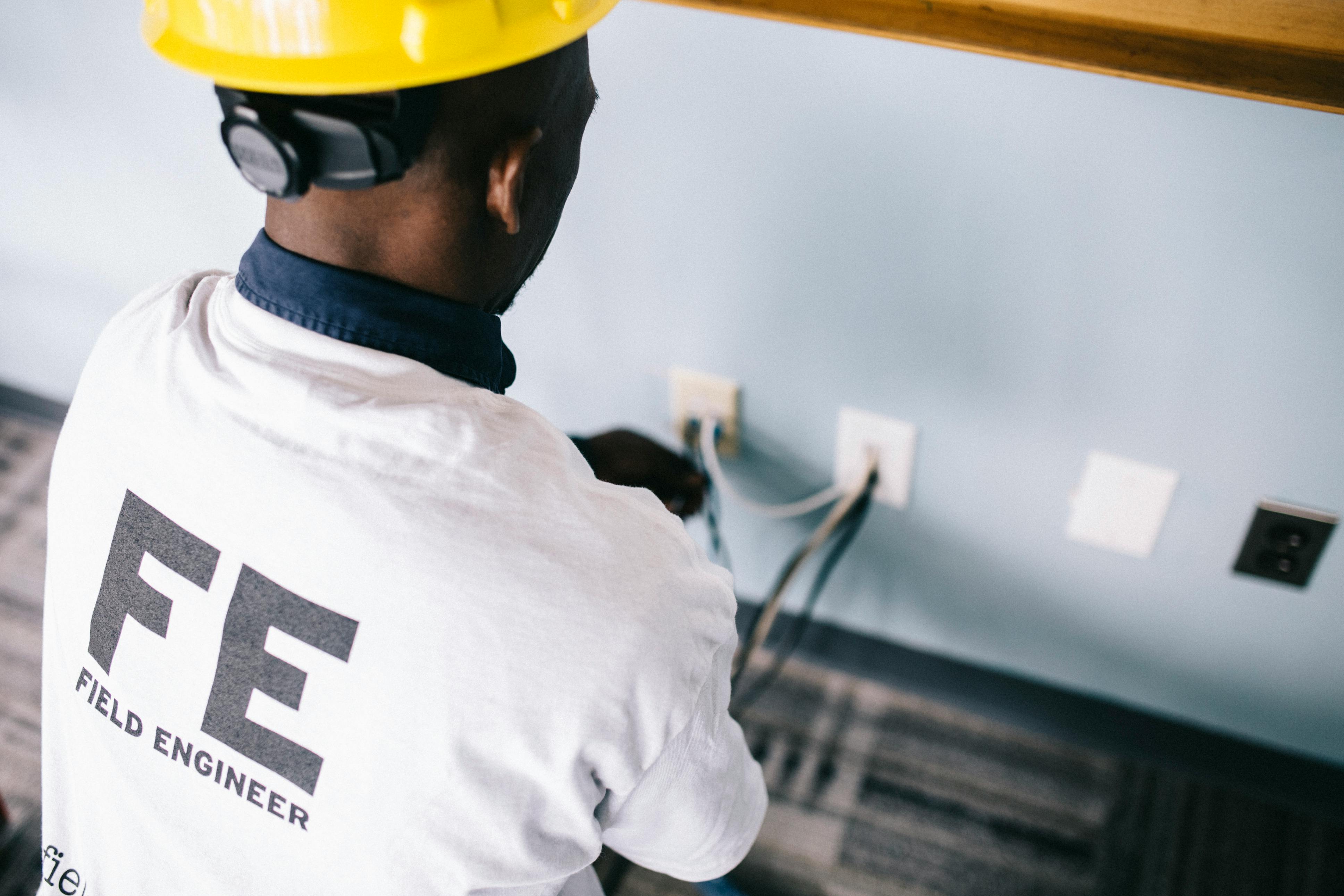
 Photo by Field Engineer
Licensing and Insurance
Every licensed electrician in Australia must hold a valid contractor license issued by the relevant state authority. That's not optional. The Electrical Safety Act makes unlicensed electrical work illegal, and insurers won't cover damage if the person who caused it wasn't licensed to do the job.
What to Ask For Upfront
Good electricians don't mind being asked for their credentials. It's a normal part of doing business. A few things are worth confirming before work starts:
- Current electrical contractor license from your state authority
- Public liability insurance and workers' compensation
- Certificate of Compliance issued after the job is done
Some contractors get cagey when asked about this stuff. That reaction alone tells you something useful.
Written Quotes Prevent Most Pricing Disputes
Hourly rates, flat fees, call-out charges, materials billed separately and pricing structures vary widely between electricians. No single model is fairer than another. The problem is when those details stay verbal and the invoice looks nothing like what was discussed.
What to Get in Writing
A written quote takes five minutes to produce and saves hours of back-and-forth later. Make sure it covers:
- Whether the price is fixed or subject to change
- How call-out fees are applied, including for after-hours work
- What happens to the quote if the scope of the job changes
Contractors who push back on providing written quotes are worth being cautious about. The paperwork protects them too, so there's no good reason to avoid it.
Emergency Response Separates Local From Local-ish
An exposed wire after a storm or a switchboard issue at 10pm isn't something that can wait until Monday. Some electricians offer genuine after-hours response. Others have a phone number that goes to voicemail and a two-day callback window.
The difference usually comes down to geography. A company based in the same area it serves can physically get to a job faster than a national outfit dispatching from a regional hub. For emergency electrical work, 30 minutes versus three hours is a meaningful gap. Checking a provider's actual service area before you need them urgently is a smart move.
Scope of Experience Shows in the Work
Replacing a power point and commissioning a three-phase system for a commercial fit-out require completely different skills. Some electricians who mainly do residential work will take on commercial jobs they're not well-prepared for. The results tend to show.
Providers who work regularly across residential, commercial, and industrial jobs develop a broader problem-solving range. They've handled more variables, dealt with more unusual situations, and are less likely to stall when a job gets complicated. That range matters more than most people factor in when comparing quotes.
Reputation in a Small Market Is Hard to Fake
An electrician who has worked the same area for years picks up knowledge that doesn't come from a manual. Local housing stock quirks, council compliance specifics, common fault patterns in older properties. These are things learned from doing the work repeatedly in one place.
Review histories on local business directories tend to reflect this honestly. A provider with 60 reviews consistently mentioning punctuality and fair pricing is telling you something more reliable than anything on their own website. The ACCC advises consumers to verify credentials and check reviews before hiring tradespeople, especially for electrical work.
 Photo by RDNE Stock project
A Few Questions Go a Long Way
Licensed and insured, clear written quote, genuine emergency availability, relevant experience, solid local reviews. Those five things cover most of what separates a good electrical contractor from a frustrating one.
How a company handles first contact matters too. A slow reply, vague answers about pricing, or hesitation over credentials are all worth noting early. The way a business treats an enquiry usually reflects how they treat the job itself.