
Children’s room decor ideas can completely transform a child’s bedroom into a space that is not only functional but also reflective of their unique personality. From choosing the right colours to selecting complementary decor elements, creating a beautiful and practical space requires careful planning. The right decor enhances the aesthetics, supports emotional well-being, and ensures the room grows with your child. Whether you are designing a nursery for a toddler or a more sophisticated bedroom for a teenager, understanding how to balance style with functionality is key. By incorporating thoughtful design choices, such as durable paint finishes and versatile furniture, you can craft a space that your child will cherish for years to come.
Why the Right Decor and Colours Matter
The decor and colour palette of your child’s room have a significant impact on their mood and behaviour. Soft tones establish a calming atmosphere, while brighter shades foster energy and creativity. Beyond appearance, these choices help create a secure and inspiring space for your child to grow.
Key considerations include:
-
Emotional Impact: Colours such as blue encourage relaxation, while shades of yellow evoke happiness and optimism.
-
Age-Specific Designs: Younger children often prefer playful and bold colours, while teenagers may gravitate towards more neutral tones.
-
Functional Spaces: A well-designed room can enhance productivity and organisation, helping your child to focus and unwind.
Read also: Why House Painting Is a Smart Investment for Your Home
Painting Children’s Rooms: Safe and Durable Options
When painting children’s rooms, safety and longevity should always take precedence. Using non-toxic, low-VOC paints ensures a healthier environment while maintaining durability.
Practical Painting Tips:
-
Opt for washable paints to facilitate easy cleaning and maintenance.
-
Select durable finishes such as satin or eggshell to minimise wear and tear.
-
Use primer-plus-paint products to achieve an even and seamless finish.
-
Apply painter’s tape to create sharp edges and precise lines.
Including your child in the colour selection process can also make the project more enjoyable and meaningful.
Creative Colour Ideas for Children’s Bedrooms
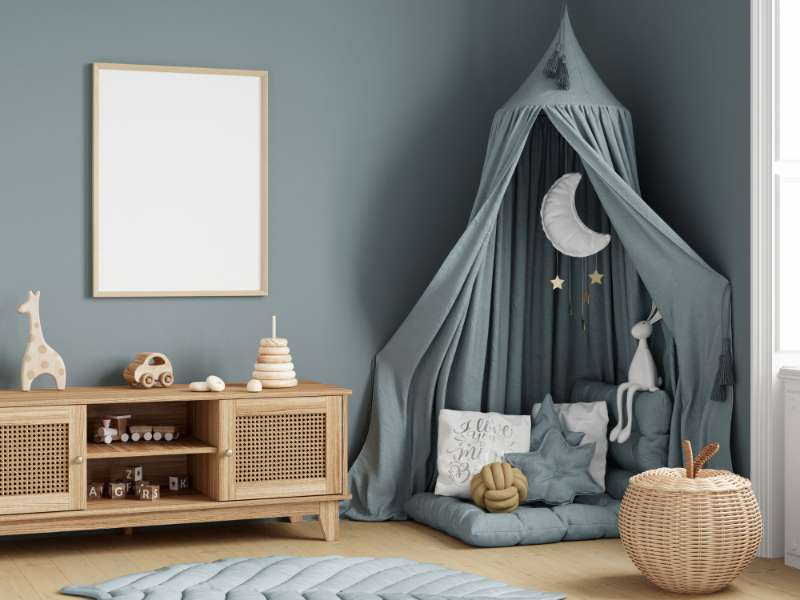
Selecting the right colours transforms a child’s bedroom into their own special retreat. Below are ideas tailored to different age groups:
For Toddlers:
-
Choose soft pastels like mint green, baby blue, or light pink to create a serene and comforting setting.
-
Incorporate nature-inspired colours such as gentle yellows or sage greens for a timeless appeal.
For School-Age Children:
-
Introduce vibrant shades like teal, orange, or bright yellow to inspire creativity and energy.
-
Experiment with two-tone walls or playful patterns such as stripes or polka dots.
For Teenagers:
-
Opt for neutral colours like grey, beige, or soft white for a more mature and versatile look.
-
Add bold accents or statement walls featuring murals or abstract designs for a unique touch.
For added practicality, consider a chalkboard wall where teens can express their creativity or organise their tasks.
Matching Decor with Painted Walls
The right decor brings cohesion to a room and enhances its visual appeal. By complementing painted walls, decor elements can reflect your child’s interests and create a well-rounded design.
Decor Suggestions:
-
Wall Decals: Add themed stickers such as stars, animals, or abstract shapes for a playful vibe.
-
Functional Furniture: Choose beds, desks, or shelves that align with the overall room theme.
-
Textiles: Use rugs, curtains, and cushions in complementary patterns to add warmth and texture.
-
Storage Solutions: Incorporate shelves or organisers for toys, books, and personal items to maintain order.
Allowing your child to contribute their ideas makes the space feel more personal and engaging.
Read also: 5 Timeless Colours for Your Kitchen Walls – by Painter in Blue Mountains
Avoiding Common Mistakes in Children’s Room Decoration
Decorating mistakes can compromise the functionality and appearance of your child’s room. Here are some pitfalls to avoid:
-
Overusing Bold Colours: Excessive use of vibrant shades can overwhelm the space. Balance these with neutral tones.
-
Compromising on Paint Quality: Low-quality paints may chip or stain, resulting in frequent touch-ups. Choose durable options instead.
-
Neglecting Storage: Lack of adequate storage leads to clutter, making it harder for your child to stay organised.
Additional Tips for Customising Children’s Rooms
Creating a truly personalised space involves going beyond paint and furniture. Here are more ways to customise your child’s room:
-
Incorporate Their Hobbies: If your child loves music, sports, or art, reflect this in the decor through themed accents or dedicated spaces.
-
Lighting Matters: Add a mix of ambient, task, and decorative lighting to balance functionality and comfort.
-
Multi-Functional Furniture: Use bunk beds with built-in desks or storage to maximise smaller spaces.
-
Rotating Decor: For younger children, use interchangeable elements like peel-and-stick decals to evolve the room as they grow.
Considering Future Changes
As children grow, their tastes and needs evolve. To save time and effort, focus on timeless foundations that adapt to future updates:
-
Use neutral base colours for walls, then add colourful decor elements.
-
Invest in quality furniture that grows with your child, such as adjustable desks or extendable beds.
-
Incorporate storage solutions that work for both toys and school supplies.
Involving Children in the Process
Children are more likely to appreciate their rooms if they have a say in the design. Make decorating a collaborative activity:
-
Let them choose colours, themes, or specific decor pieces within a set of options.
-
Encourage creativity through DIY projects, like painting a piece of furniture or making wall art.
-
Use the process as an opportunity to teach organisation and design principles.
Designing a beautiful and practical room for your child starts with the right children’s room decor ideas. By incorporating safe and durable paint options and exploring creative children’s bedroom colour ideas, you can create a personalised space they will cherish for years to come.
If you need expert advice or quality materials to bring your vision to life, get in touch with John or visit Decor8 today.