
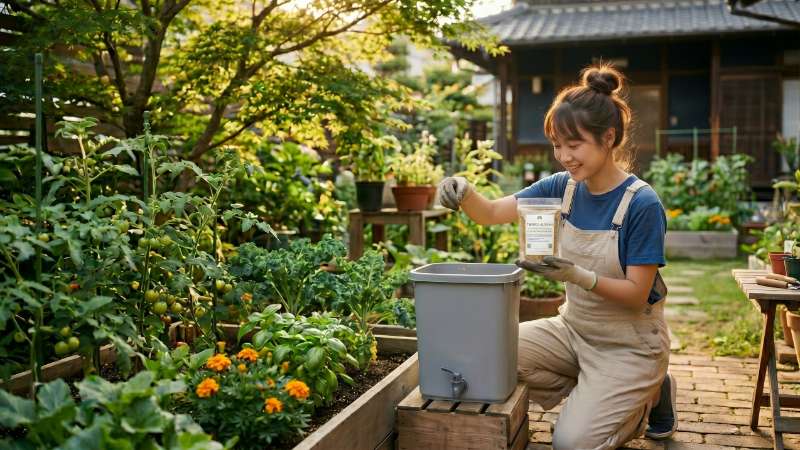
Bokashi composting is an efficient and space-saving way to manage food waste, especially for urban dwellers and apartment residents. Unlike traditional composting, Bokashi uses an anaerobic (oxygen-free) process to ferment food scraps, including meat, dairy, and cooked food, in a matter of weeks. However, while Bokashi is easier and faster than traditional composting, it's important to follow the correct practices to ensure a smooth process. In this article, we’ll highlight the common mistakes you should avoid to make sure your Bokashi composting system thrives. Plus, Kai Kai Farm offers everything you need to get started with Bokashi composting efficiently at home!
Main Mistakes to Avoid in Bokashi Composting:
1. Overloading the Bin
One of the most common mistakes beginners make is adding too many scraps to the Bokashi bin at once. While it may seem like the more waste you add, the faster the process will go, it’s important to keep in mind that Bokashi relies on an optimal amount of organic waste to ferment properly.
Why This is a Problem:
When you overload the bin, the fermentation process becomes inefficient. Too much waste creates an imbalance in microbial activity, which can slow down fermentation and lead to bad odors or rot.
Solution:
Add food scraps in small, manageable amounts to your Bokashi bin. This ensures that each layer can properly ferment before adding more. By doing this, you’ll maintain a balanced environment for the microbes, speeding up the fermentation process.
If you're new to Bokashi composting, Kai Kai Farm’s Bokashi kits come with everything you need to get started, no guesswork!
2. Not Sealing the Bin Properly
Bokashi composting is an anaerobic process, meaning that it must be kept in an airtight environment. If the bin is not sealed properly, oxygen can get in, disrupting the fermentation process and causing the food to rot rather than ferment.
Why This is a Problem:
If oxygen enters the bin, it leads to aerobic decomposition, which doesn’t allow the beneficial microbes to break down the food scraps effectively. This can result in foul smells and a slower process.
Solution:
Make sure your Bokashi bin has a tight-fitting lid. After each use, seal the bin tightly to maintain the anaerobic conditions that Bokashi needs. If you have a bin with a drainage tap, ensure it’s properly closed as well to avoid air exposure.
Kai Kai Farm Bokashi bins are designed for a secure, airtight seal to ensure the best fermentation conditions.
3. Adding Non-Organic Waste
Bokashi composting works best when you’re dealing with organic waste food scraps, fruit and vegetable peels, coffee grounds, and more. However, some people mistakenly add non-organic materials, such as plastics, metals, or non-biodegradable items, thinking they’ll break down too.
Why This is a Problem:
Non-organic materials don’t break down in the Bokashi bin, and they can actually interfere with the fermentation process. These materials can also introduce unwanted toxins or contaminants that harm the environment and the efficiency of your composting system.
Solution:
Stick to organic waste only. Ensure everything you add is biodegradable, such as fruit scraps, vegetable peels, eggshells, or cooked food. Avoid any non-organic items like plastic packaging or aluminum foil.
For easy composting, Kai Kai Farm Bokashi products are specially designed for organic waste, ensuring proper breakdown and fermentation.
4. Forgetting to Drain Bokashi Tea
Bokashi composting produces a nutrient-rich liquid known as Bokashi tea. This liquid is a byproduct of the fermentation process and can be used as a powerful organic fertilizer for your plants. However, if you neglect to drain it regularly, it can create a buildup that hinders the fermentation process.
Why This is a Problem:
Excess moisture in the bin can create soggy conditions, which makes it harder for the microbes to break down the food scraps effectively. It can also lead to unwanted smelly liquid buildup, which may slow down the process and affect the odor.
Solution:
Drain the Bokashi tea every few days to ensure the bin doesn’t get too wet. You can use this liquid to water your plants, it’s full of beneficial nutrients that will help them thrive!
Make sure to empty the liquid from the bin to keep the fermentation process moving smoothly.
If you need a high-quality Bokashi bin with a drainage tap, Kai Kai Farm’s Bokashi kits are perfect for easy draining and proper maintenance.
5. Improper Temperature
Bokashi composting is most effective within a certain temperature range, typically 18–25°C (64–77°F). If the temperature is too cold, the fermentation process slows down, and if it’s too hot, it can cause the food to rot instead of fermenting properly.
Why This is a Problem:
If your Bokashi bin is placed in a cold environment, the microbes may not be active enough to break down the food waste. Conversely, excessive heat can encourage aerobic decomposition or rotting, creating unpleasant smells and slowing down the process.
Solution:
Store your Bokashi bin in a warm, stable environment, such as a kitchen cabinet or pantry. If you live in a cold climate, you may want to place the bin in a warmer area of your home (but avoid placing it directly on top of a heater). Ensure the temperature stays within the optimal range for effective fermentation.
Kai Kai Farm’s Bokashi systems are designed to optimize fermentation, helping to maintain the right temperature for best results.
Conclusion:
Bokashi composting is an excellent, efficient method to reduce food waste and enrich your soil. By avoiding these common mistakes overloading the bin, not sealing it properly, adding non-organic waste, forgetting to drain Bokashi tea, and neglecting temperature control you can ensure a smoother, faster composting process and achieve great results.
With the right care and attention, your Bokashi system will thrive, turning your food scraps into rich, valuable compost for your garden or plants. If you're ready to get started, check out Kai Kai Farm's Bokashi products to help you compost efficiently and sustainably.