
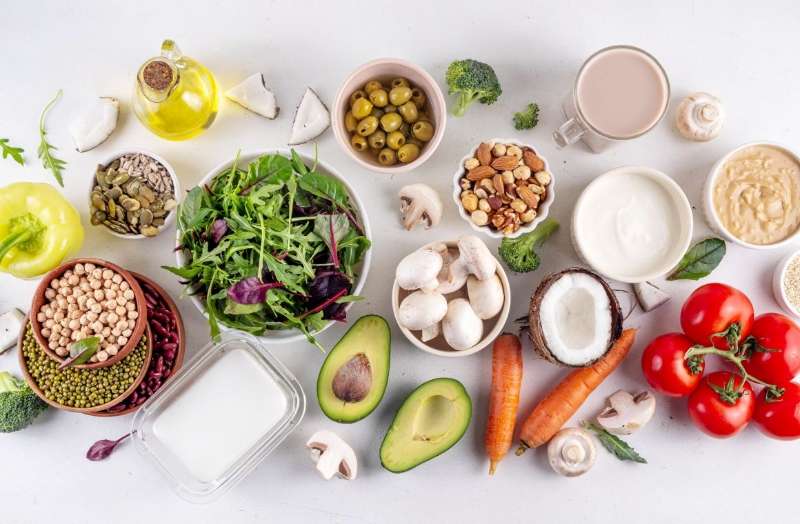
In recent years, plant-based diets have moved from niche to mainstream, influencing food culture around the world. As more people become aware of the health and environmental benefits of plant-based eating, these diets are reshaping eating habits, grocery shopping patterns, and food production. With the rise of plant-based alternatives, people are opting for healthier, more sustainable food choices, and the impact is becoming more visible across industries.
What is a Plant-Based Diet?
A plant-based diet is one that emphasizes foods derived primarily from plants, including vegetables, fruits, grains, legumes, nuts, and seeds. While the focus is on whole, minimally processed plant foods, a plant-based diet can also include plant-based alternatives like meatless burgers, dairy-free cheese, and plant-based milks. It's not necessarily about eliminating all animal products entirely but prioritizing plant-based options for better health and environmental impact.
The Surge in Popularity of Plant-Based Diets
Plant-based eating is more than just a passing trend. According to a 2026 report from the Plant Based Foods Association, the global plant-based food market has seen exponential growth over the past few years. In fact, plant-based food sales in the United States alone surged by 27% from 2020 to 2025. The demand for plant-based meat and dairy substitutes has skyrocketed, with consumers increasingly shifting away from traditional animal-based products.
This growth is attributed to several factors:
-
Health Consciousness: Plant-based diets have been associated with a variety of health benefits, including lower cholesterol levels, improved heart health, and weight management. Research suggests that a plant-based diet can reduce the risk of chronic diseases such as heart disease, diabetes, and certain cancers.
-
Environmental Concerns: More people are realizing the environmental impact of animal agriculture, which contributes to deforestation, greenhouse gas emissions, and water pollution. A plant-based diet is seen as a way to reduce one’s carbon footprint and contribute to sustainability efforts.
-
Animal Welfare Awareness: Increased awareness about the treatment of animals in factory farming has led many consumers to seek out plant-based alternatives as a more ethical choice.
Plant-Based Diets: A Cultural Shift in Eating Habits
As more people adopt plant-based diets, eating habits are evolving. Once considered difficult or restrictive, plant-based eating is now more accessible and appealing. Here’s how it’s reshaping our eating habits:
-
The Rise of Plant-Based Meat Substitutes
-
Companies like Beyond Meat and Impossible Foods have pioneered plant-based meat substitutes that mimic the taste and texture of traditional meat. These products have become staples in restaurants, supermarkets, and fast-food chains, making it easier for people to transition to a plant-based diet without sacrificing the flavors they love.
-
Companies like Beyond Meat and Impossible Foods have pioneered plant-based meat substitutes that mimic the taste and texture of traditional meat. These products have become staples in restaurants, supermarkets, and fast-food chains, making it easier for people to transition to a plant-based diet without sacrificing the flavors they love.
-
Increasing Availability of Plant-Based Options
Plant-based options are no longer limited to a few niche stores. Major grocery chains and fast-food restaurants now offer a variety of plant-based products, making it easier than ever to choose plant-based alternatives. You can find plant-based milk, yogurt, cheeses, and even plant-based eggs at most major supermarkets. -
Vegan and Plant-Based Eating Going Mainstream
While veganism was once associated with a small group of people, the rise of plant-based diets has brought it into the mainstream. Celebrities, athletes, and influencers have become advocates for plant-based eating, further normalizing it as a lifestyle choice. Documentaries like The Game Changers and Forks Over Knives have helped increase awareness of the health and environmental benefits of plant-based diets.
The Impact of Plant-Based Diets on Food Production
The surge in demand for plant-based foods is reshaping food production and supply chains. Traditional food companies and new startups alike are responding to this demand by increasing the production of plant-based products. Here’s how the food industry is adapting:
-
Innovation in Food Technology
Food companies are investing heavily in research and development to create plant-based products that closely resemble animal-based foods. The use of advanced technology, such as lab-grown meat and plant-based “meat” made from peas and soy, has opened new possibilities in food production. Companies are working to perfect textures, flavors, and nutritional profiles to create products that are as appealing as their animal-based counterparts. -
Sustainability Focus
Many food companies are also focusing on sustainability. Plant-based foods generally have a lower environmental impact than animal-based foods. Producing plant-based products requires less water, land, and energy, and generates fewer greenhouse gas emissions. As consumer demand for eco-friendly products grows, food manufacturers are prioritizing sustainability in their production processes. -
Rise of Plant-Based Restaurants and Meal Kits
The demand for plant-based options has given rise to a new wave of plant-based restaurants and meal kit services. These businesses cater to the growing number of people seeking plant-based meals, providing both convenience and variety for those looking to embrace a plant-based lifestyle. -
The Future of Plant-Based Diets
The future of plant-based diets looks promising. With a growing global population and increasing pressure on the planet’s resources, plant-based eating offers a sustainable solution to feeding the world. As plant-based options become more accessible, affordable, and innovative, the trend is expected to continue expanding.
The increased availability of plant-based products in mainstream grocery stores, fast food chains, and restaurants will make plant-based eating a more natural part of everyday life for consumers. Additionally, as the environmental and health benefits of plant-based diets become clearer, more people will likely transition to plant-based eating, not only for personal well-being but for the health of the planet.
Conclusion
Plant-based diets are reshaping eating habits and the food industry as a whole. As more people prioritize health, sustainability, and ethical concerns, plant-based alternatives are becoming mainstream. Whether through meat substitutes, dairy-free products, or innovations in food technology, plant-based eating is setting the stage for a new era of food consumption. With the environmental and health benefits becoming ever clearer, the plant-based trend is more than just a passing fad – it’s a lifestyle change that is here to stay.