
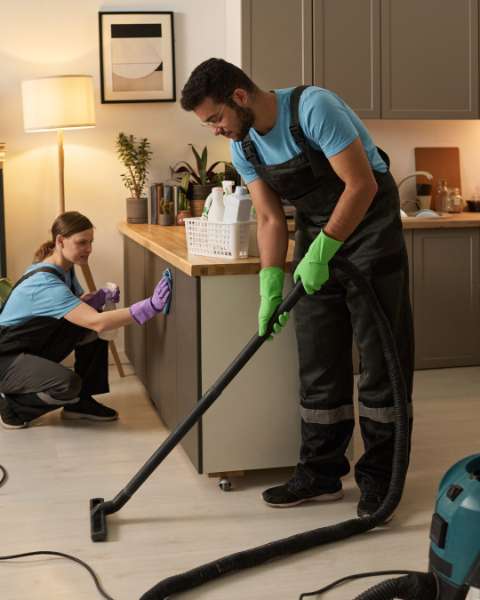
How to Deep Clean Carpet with a Machine: A Step-by-Step Guide for Homeowners
Carpets add warmth, comfort, and noise insulation to any home, making them a favorite flooring choice across American households. However, even the most powerful vacuum cleaner only picks up surface dust, hair, and loose debris. Over time, ground-in dirt, pollen, pet dander, allergens, and accidental spills get trapped deep within carpet fibers and padding.
Learning how to deep clean carpet with a machine is one of the most effective ways to restore your floor's appearance, improve indoor air quality, and extend the lifespan of your carpets. Whether you are using a home rental unit or your own carpet extractor, following a systematic process ensures you get maximum clean without damaging your flooring. Here is your ultimate step-by-step guide to mastering machine carpet cleaning.
Step 1: Prepare the Room and Vacuum Thoroughly
Before filling your machine’s water tank, preparation is key. Move lightweight furniture—such as coffee tables, chairs, and floor lamps out of the room to create an open work surface.
Next, give the entire area a meticulous vacuuming. Vacuuming slowly in multiple directions removes loose soil, sand, and pet hair. Skipping this step is a common mistake: if loose dirt remains on the carpet when you apply water, the machine will turn that dust into liquid mud, pushing soil deeper into the carpet pile.
Step 2: Pre-Treat Stains and High-Traffic Areas
- Standard carpet cleaning machine solutions are designed for general soil extraction, not stubborn spot removal. Hallways, entryway rug zones, and spots left by pets or spilled coffee require targeted pre-treatment.
-
- 1. Apply an enzyme-based carpet pre-spray directly onto high-traffic paths and heavy stains.
- 2. Allow the pre-treatment to sit for 10 to 15 minutes to break down oils, proteins, and dried-on residue.
- 3. Gently agitate stubborn spots using a soft-bristled carpet brush.
Learn more about indoor air quality standards and residential carpet care guidelines from the official Environmental Protection Agency (EPA) Care Guide.
Step 3: Mix Your Cleaning Solution Correctly
Fill the clean water reservoir on your carpet machine with hot tap water (unless your machine’s user manual advises otherwise). Avoid using boiling water, as extreme temperatures can melt synthetic carpet fibers, warp plastic components, or set certain stains permanently.
Add the recommended amount of carpet cleaning detergent. Pro Tip: Never add extra soap thinking it will clean better! Excess detergent creates heavy soap residue that stays behind in carpet fibers. Once dry, this sticky residue acts like a magnet for fresh dirt, making your carpets get dirty much faster after cleaning.
Step 4: Master the Wet and Dry Extraction Technique
Operating a carpet extractor efficiently comes down to technique and patience. Start at the corner furthest from the room's doorway so you do not walk over freshly cleaned areas.
-
The Wet Pass: Squeeze the trigger on the machine handle to release the water and cleaning solution. Slowly push the machine forward in a straight line, then pull it back over the same strip while holding the trigger down.
-
The Dry Pass: Release the trigger. Slowly push and pull the machine over the exact same section without releasing any water. The vacuum suction will extract the dirty water, soap, and moisture from the carpet.
-
Repeat: Make two to three dry passes for every single wet pass to extract as much moisture as possible. Overlap each stroke by a couple of inches to prevent striping.
View service offerings, verified customer recommendations, and business credentials on the Steady Clean Services Top4 Profile.
Step 5: Allow Proper Drying Time
Excess moisture is the biggest enemy of carpet cleaning. If carpet padding remains wet for more than 24 hours, it creates an ideal environment for mold, mildew, and unpleasant musty odors.
To accelerate the drying process:
-
Turn on ceiling fans and set up floor-directed box fans.
-
Keep your home’s HVAC system running or open windows if humidity levels outside are low.
-
Avoid walking on damp carpets with bare feet or outdoor shoes until the floor is completely dry (usually 6 to 12 hours).
Key DIY Mistakes to Avoid
Explore how advanced low-moisture technology eliminates mold risks and deep cleans stubborn spots by visiting the Steady Clean Services Carpet Cleaning Page.
When to Call Professional Carpet Cleaning Experts
While rental machines and home extractors work well for routine surface maintenance, consumer machines lack the water pressure, heat, and suction power of commercial-grade equipment. Household extractors often leave carpet backing damp and fail to pull up deep-seated allergens embedded at the base of thick carpet piles.
For deep sanitization, tough pet odor removal, or periodic whole-home maintenance, calling professional cleaning specialists is the best way to safeguard your home environment and investment.
Conclusion
Knowing how to deep clean carpet with a machine allows homeowners to maintain cleaner, healthier living spaces between professional treatments. By following proper pre-treatment, careful detergent mixing, and thorough moisture extraction, you can keep your floors looking fresh for years to come.
Transform Your Home with Steady Clean Services
When DIY efforts aren't enough, leave the heavy lifting to the professionals! At Steady Clean Services, we specialize in top-tier residential and commercial carpet cleaning, upholstery care, and tile & grout restoration. Utilizing state-of-the-art low-moisture cleaning technology and non-toxic products, our expert team eliminates deep dirt, stubborn stains, and hidden allergens—leaving your carpets fresh, clean, and dry in record time without the risk of mold or mildew.
Ready for floors that look and feel like new? Visit Steady Clean Services today or call us at (601) 543-6117 to request your free quote and schedule your deep cleaning appointment!