
Electricity costs can rise without much notice, especially when older systems and appliances use more power than needed. Small inefficiencies add up over time and increase your monthly bills. Smart electrical upgrades give you a practical way to reduce usage without changing how you run your home or business.
Where Energy Is Commonly Wasted
Many properties lose energy through outdated lighting, inefficient appliances, and poorly managed power distribution. You may not notice the impact day to day, but it shows in your bills over time. Identifying these areas is the first step toward reducing costs.
Common sources of energy waste include:
- Old lighting systems that use more power than necessary
- Appliances that run continuously or inefficiently
- Standby power from unused devices
- Outdated switchboards that don’t manage load effectively
Addressing these issues can lead to steady savings without major disruption.
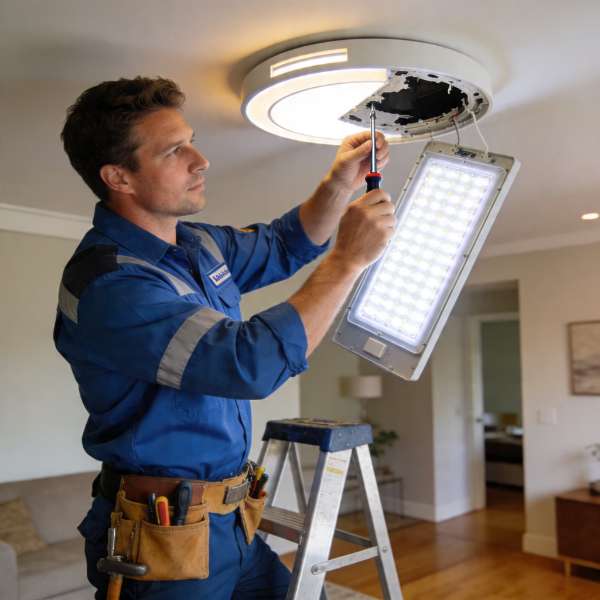
Upgrade to LED Lighting
Lighting is one of the simplest areas to improve. Traditional bulbs use more electricity and need frequent replacement. LED lighting uses less power and lasts longer, making it a practical upgrade for both homes and commercial spaces.
You can expect:
- Lower energy use compared to halogen or incandescent bulbs
- Reduced maintenance due to longer lifespan
- Better control with dimmers or smart systems
Switching to LED lighting is often one of the quickest ways to see a difference in your electricity usage.
Improve Your Switchboard
Your switchboard controls how electricity is distributed across your property. Older switchboards may struggle to handle modern electrical loads, which can lead to inefficiencies or safety concerns.
Upgrading your switchboard allows for:
- Better load management across circuits
- Improved safety with updated components
- Capacity to support new appliances or systems
This upgrade is often necessary if you’re adding new equipment or planning further electrical improvements.
Install Smart Power Controls
Smart power systems give you more control over how electricity is used. Instead of running everything at full capacity all the time, you can manage usage based on need.
Examples include:
- Timers that turn systems on and off automatically
- Smart plugs that cut standby power
- Automated lighting controls for unused areas
These adjustments help reduce unnecessary energy use without affecting daily routines.
Consider Energy-Efficient Appliances
Older appliances tend to consume more electricity, especially when used frequently. Replacing them with energy-efficient models can lower long-term operating costs.
Focus on high-usage items such as:
- Air conditioning systems
- Refrigeration units
- Water heating systems
When choosing replacements, look for energy ratings that indicate lower consumption over time.
Reduce Standby Power
Many devices continue to draw power even when not in active use. This is known as standby power, and it can contribute to higher electricity bills over time.
You can reduce standby usage by:
- Turning off devices at the power point
- Using smart power boards that cut idle energy
- Grouping devices to switch off together
These small changes can reduce unnecessary consumption across your property.
Plan Upgrades Based on Usage
Not every upgrade needs to happen at once. A better approach is to review your energy usage and prioritise changes that will have the most impact. This helps you manage costs while still improving efficiency.
Start with:
- Areas with the highest energy use
- Equipment that runs for long periods
- Systems that are outdated or unreliable
A licensed electrician can help assess your setup and recommend practical upgrades.
Benefits of Smart Electrical Upgrades
Making targeted improvements to your electrical system can provide ongoing benefits beyond lower bills.
These include:
- Reduced energy consumption over time
- Improved safety with updated systems
- Better control over how power is used
- Increased reliability of electrical equipment
These outcomes support both cost savings and long-term performance.
Work with a Qualified Electrician
Electrical upgrades should always be handled by a licensed professional. This ensures that all work meets safety standards and is completed correctly. It also helps you avoid issues that could lead to higher costs later.
A qualified electrician can:
- Assess your current system
- Recommend suitable upgrades
- Install and test new components
- Provide guidance on ongoing maintenance
This support makes it easier to manage your energy use with confidence.
Final Thoughts
Lowering your electricity bills doesn’t require major changes to your routine. It comes down to improving how your electrical system operates and reducing unnecessary energy use. Smart upgrades such as LED lighting, switchboard improvements, and better power control can make a steady difference over time.
Get in touch with us if you're in search of reliable electrical upgrades to help reduce your electricity costs: https://www.directpointelectrical.com.au/