
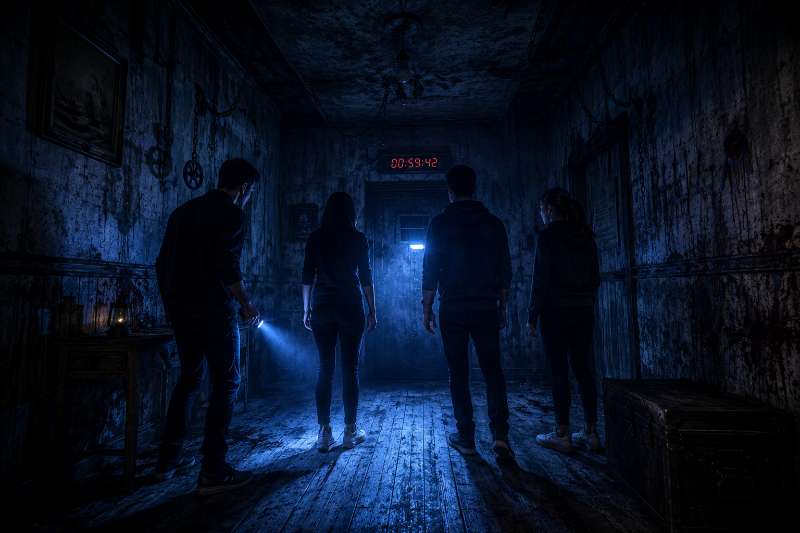
Escape rooms in Sydney have moved well past the padlock-and-riddle era. The venues holding attention now treat fear as a design material rather than a marketing label. Head south of Central Station to Redfern and the difference is easy to observe. Players walk in expecting puzzles. They walk out talking about the sixty minutes of pressure that shaped how they solved them. Interest in horror escape room Sydney experiences has grown alongside that shift, and the reasons are more technical than they look.
Why fear changes the way a team plays
Adrenaline narrows attention. That is the mechanism, and it explains why a well-built scare belongs inside a puzzle game. Under mild stress, people stop scanning a space evenly and start fixating on whatever moved last. Groups get louder, then suddenly quieter. Someone takes charge who normally would not.
Designers who understand this build around it. Clues sit at eye level rather than tucked behind furniture, because a frightened team will not crawl. Sequences run shorter. The room asks for observation and communication instead of long arithmetic. A horror escape room Sydney players rate highly is usually one where the puzzle logic got simpler as the atmosphere got heavier. That trade is deliberate.
Sound, silence and the design of A Silent Place
The clearest local example sits at 11A Cope Street. The A Silent Place escape room drops a team of two to six into a remote cabin after the world has gone quiet. A child is missing. Toys lie scattered across the floor, blood marks the wooden walls, and something in the dark hunts by sound.
What makes the premise work is that it converts a story rule into a genuine game constraint. Noise is not thematic dressing here. It shapes how a group behaves for a full hour and forces the kind of low, careful communication that most escape rooms in Sydney never ask for. Teams whisper. They point instead of shout. The fiction and the mechanics agree with each other, which is the mark of a room that was designed rather than decorated.
What separates a considered scare from a cheap one
A jump scare costs almost nothing to install. Sustained tension is harder to build, and it is where stronger horror escape rooms separate themselves from the rest.
Three signals are worth watching for. The first is restraint with lighting. Rooms that go fully dark are not frightening, they are simply difficult, and players leave annoyed rather than unsettled. The second is prop density that serves the puzzle. Scattered objects should reward inspection instead of burning the clock. The third is honest expectation setting. The Great Escape publishes a fear factor rating for every mission, so a group can see where a room sits before booking rather than after arriving. That transparency counts more than any promise about intensity.
Game masters carry the remainder. A good host reads a stalled team through the camera feed and releases a hint before frustration takes hold, without breaking the mood.
Who these missions actually suit
Horror is not a universal preference and there is little point pretending otherwise. Groups who enjoy tension, want a real deadline and do not mind being startled tend to find the format rewarding. Anyone uncomfortable in confined dark spaces should choose differently. Alternatives sit close at hand. Zumunji and King Arthur run from the same building as the A Silent Place escape room with far gentler ratings.
Age matters too. The horror mission lists a minimum of sixteen, or twelve with an adult playing alongside. Teams of two to six are supported, and four tends to be the practical sweet spot for horror escape rooms. Fewer players means more ground to search. More players means more noise to manage.
Planning a visit to Redfern
Cope Street sits a short walk from Redfern Station, which makes the venue simple to reach from the inner west, the CBD or the eastern suburbs without parking. Games run sixty minutes, though the full visit takes closer to seventy-five once check-in is done, so arrive fifteen minutes early.
The venue closes on Mondays and opens from early afternoon midweek, with earlier starts Friday through Sunday. Weekend evening slots go first. Groups with flexible plans do better midweek, when sessions are quieter, currently discounted, and staff have time afterwards to explain how the room was built. Compare fear ratings and check live availability for horror escape room sydney sessions before locking in a time.
Book ahead. Walk-ins are accepted when space allows, but the rooms most people want are rarely the ones still free.
FAQs
1. What makes a horror escape room different from a regular one?
Horror rooms use tension as a design element. Lighting, sound and pacing pressure your team while you solve. The puzzle logic stays fair, but the conditions around it change completely.
2. Are horror escape rooms in Sydney suitable for beginners?
Beginners can play, though the A Silent Place escape room carries a high fear rating. Many first timers choose Zumunji or King Arthur first, then return for the horror mission.
3. Is there an age restriction for horror escape rooms?
A Silent Place lists a minimum age of sixteen. Players aged twelve to fifteen may join when an adult plays with them. Contact the Redfern venue directly about any exceptions.