
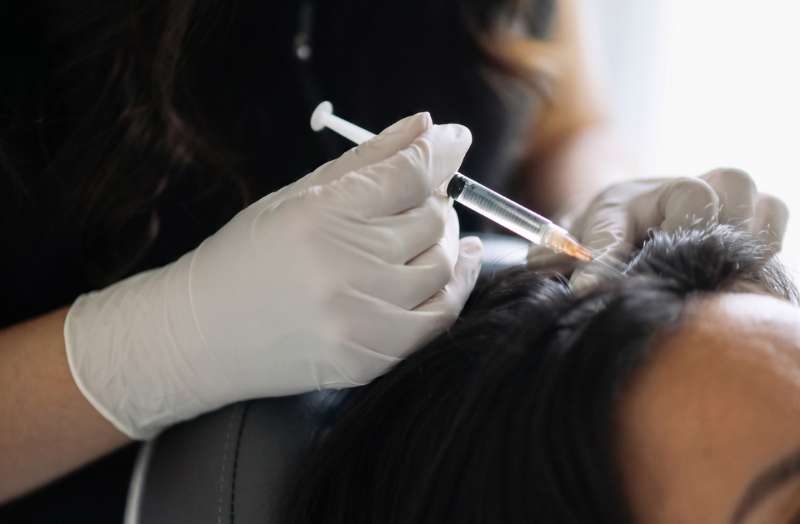
If you have been looking for a way to refresh your face and restore lost firmness without surgery, synthetic product, or weeks of downtime, a PRP non-surgical facelift in Toronto may be exactly what you are searching for. Unlike a surgical facelift, this treatment uses your own blood specifically the growth factors within it to stimulate collagen, improve skin texture, and gradually restore a more youthful, rested appearance. It is natural, minimally invasive, and increasingly popular among people who want visible improvement without going under the knife. This guide explains exactly what a PRP facelift is, how it works, what results you can realistically expect, and how it compares to surgery.
TL;DR — Key Takeaways:
• A PRP non-surgical facelift uses platelet-rich plasma from your own blood to stimulate collagen and rejuvenate skin — no surgery, no synthetic chemicals
• It is often combined with microneedling or dermal filler to enhance results and restore volume
• A controlled clinical study published in Annals of Dermatology found new collagen formation and 27% epidermal thickening after PRP treatment
• Most people notice early radiance within 1–2 weeks; full collagen remodelling develops over 2–3 months
• Results typically last 12–18 months, with annual maintenance recommended
• It is not a replacement for a surgical facelift in cases of significant sagging — but it is ideal for early-to-moderate aging and skin quality
• Book a complimentary consultation at Beyond Medical Aesthetics, Markham
Table of Contents
• What Is a PRP Non-Surgical Facelift?
• How Does a PRP Facelift Actually Work?
• What Results Can You Expect From a PRP Facelift?
• How Does a PRP Facelift Compare to a Surgical Facelift?
• Who Is a Good Candidate for a PRP Facial Rejuvenation Treatment?
• What Should You Expect During and After Treatment?
• Conclusion: Refresh Your Skin Naturally at Beyond Medical Aesthetics
• Frequently Asked Questions
What Is a PRP Non-Surgical Facelift?
A PRP non-surgical facelift sometimes called a "vampire facelift" is a regenerative skin treatment that uses platelet-rich plasma (PRP) derived from your own blood to rejuvenate the face. Despite the name, it is not a facelift in the surgical sense. There are no incisions, no general anaesthetic, and no lifting of tissue. Instead, it works by triggering your skin's own natural repair and collagen-building processes.
The treatment begins with a small blood draw, similar to a routine blood test. That blood is placed in a centrifuge, which separates and concentrates the platelets the component richest in growth factors. This concentrated plasma is then reintroduced into the skin, either through injection, microneedling, or both, depending on your treatment plan.
At Beyond Medical Aesthetics, PRP facial rejuvenation is tailored to each client's skin some benefit from PRP alone, while others achieve the best results when it is combined with dermal filler for structural volume or with microneedling for texture and tone.
How Does a PRP Facelift Actually Work?
The science behind a PRP facelift comes down to growth factors. Your platelets contain proteins including PDGF, VEGF, and TGF-beta that are central to your body's natural healing response. When concentrated and delivered into the skin, these growth factors signal your fibroblasts (the cells responsible for producing collagen) to activate and rebuild.
This is why a PRP facelift is described as regenerative rather than cosmetic in the traditional sense. It is not adding a foreign substance to plump or freeze the skin it is prompting your own tissue to renew itself from within.
The clinical evidence supports this mechanism. A prospective controlled clinical study published in Annals of Dermatology found that PRP treatment produced measurable new collagen formation and thickened the epidermis by 27%, with the majority of patients reporting improved skin texture [cite: A prospective controlled clinical study published in Annals of Dermatology found that PRP treatment produced measurable new collagen formation and thickened the epidermis by 27%, with the majority of patients reporting improved skin texture.]. Because PRP works by stimulating your own biological repair process rather than adding an external product, results tend to build gradually and continue developing for months after treatment which is exactly why the recommended interval between sessions matters, and why most treatment plans are structured as a series rather than a single visit [cite: Because PRP works by stimulating your own biological repair process rather than adding an external product, results tend to build gradually and continue developing for months after treatment which is exactly why the recommended interval between sessions matters, and why most treatment plans are structured as a series rather than a single visit.].
When microneedling is added, tiny channels are created in the skin's surface that allow the PRP to penetrate more deeply, amplifying the collagen-stimulating effect.
What Results Can You Expect From a PRP Facelift?
This is one of the most common questions, and it deserves a realistic, honest answer.
A PRP facelift improves skin quality texture, tone, firmness, and radiance rather than dramatically lifting sagging tissue. Most people notice an early "glow" or smoother texture within the first 1 to 2 weeks, but the meaningful collagen-related improvements develop gradually, typically becoming most visible over the following 2 to 3 months as collagen remodelling occurs.
Realistic results include:
• Smoother, more refined skin texture
• Reduced appearance of fine lines, especially around the eyes and mouth
• A brighter, more even, more radiant complexion
• Improved firmness and a subtly more lifted, rested look
• Reduced appearance of enlarged pores and mild scarring
Results typically last 12 to 18 months, though this varies with age, skin condition, sun exposure, and whether you complete a full recommended series. Many clients opt for annual maintenance sessions to sustain the effect. Because a PRP facelift relies on your body's own regenerative response, results build with a series rather than appearing all at once.
How Does a PRP Facelift Compare to a Surgical Facelift?
This is the distinction that matters most before deciding, and it is important to be clear about it.
A surgical facelift physically lifts and repositions sagging tissue and delivers dramatic, long-lasting results typically 7 to 15 years for moderate to severe skin laxity. However, it requires general anaesthesia, incisions, a recovery period of one to two weeks, and carries the inherent risks of surgery.
A PRP non-surgical facelift is a fundamentally different tool. It does not lift significant sagging, and it will not replicate surgical results in someone with advanced laxity. What it does exceptionally well is improve skin quality, stimulate natural collagen, and restore a refreshed, youthful appearance in people with early-to-moderate signs of aging with virtually no downtime.
For clients concerned primarily with skin laxity and firmness, treatments like Ultherapy may be recommended alongside or instead of PRP, since it targets deeper structural tightening. For those whose main concern is volume loss, Sculptra a collagen-stimulating biostimulator is often discussed as a complementary option. The right combination depends entirely on your skin and goals.
Trying to decide between PRP and something more structural? Book a complimentary consultation at Beyond Medical Aesthetics our team will assess your skin honestly and recommend the right option, not the most expensive one.
Who Is a Good Candidate for a PRP Facial Rejuvenation Treatment?
PRP facial rejuvenation is well suited to a wide range of people, particularly those who want natural-looking improvement without surgery or synthetic products. You may be a strong candidate if you:
• Are noticing early-to-moderate signs of aging fine lines, dullness, loss of firmness
• Want to improve skin texture, tone, and radiance
• Prefer a natural approach using your own biology rather than synthetic injectables
• Have mild acne scarring or uneven texture you would like to soften
• Want minimal downtime and a gradual, subtle result
PRP is generally not recommended for people who are pregnant or breastfeeding, those on certain blood-thinning medications, or individuals with specific blood disorders. A consultation and medical history review confirms whether the treatment is appropriate and safe for you specifically.

What Should You Expect During and After Treatment?
During treatment: After a small blood draw and centrifuge processing, a topical numbing cream is applied for comfort. The PRP is then delivered via injection, microneedling, or both. The full session typically takes 45 to 60 minutes.
After treatment: Mild redness and swelling similar to a light sunburn are normal for the first 24 to 48 hours. There is minimal downtime, and most clients return to normal activities quickly. Avoid direct sun exposure and use a broad-spectrum SPF, and follow the aftercare guidance provided by your clinician to protect and maximise your results.
Most treatment plans involve a series of sessions spaced several weeks apart, followed by periodic maintenance, since results build cumulatively as collagen regenerates.
Conclusion: Refresh Your Skin Naturally at Beyond Medical Aesthetics
A PRP non-surgical facelift offers something increasingly rare in aesthetics: meaningful, natural-looking rejuvenation that uses your own biology, requires no surgery, and involves almost no downtime. It will not replace a surgical facelift for advanced sagging but for improving skin quality, stimulating collagen, and restoring a rested, youthful glow, it is one of the most compelling non-surgical options available in Toronto today.
At Beyond Medical Aesthetics in Markham, our registered nurse led team creates personalised PRP treatment plans for clients across Toronto and the GTA with honest guidance about what the treatment can and cannot do for your specific skin, and never a one-size-fits-all approach [cite: At Beyond Medical Aesthetics in Markham, our registered nurse led team creates personalised PRP treatment plans for clients across Toronto and the GTA with honest guidance about what the treatment can and cannot do for your specific skin, and never a one-size-fits-all approach.].
Frequently Asked Questions
Is a PRP facelift painful?
The treatment involves a small blood draw and a series of injections or microneedling, preceded by a topical numbing cream to ensure comfort. Most clients describe mild pressure or brief stinging rather than significant pain. Any discomfort is short-lived, and there is no lengthy recovery.
How many PRP facelift sessions will I need?
Most treatment plans involve a series of 3 sessions spaced several weeks apart to build a strong collagen response, followed by annual maintenance. Your clinician will recommend a specific number based on your skin condition and goals during your consultation.
How long does a PRP non-surgical facelift last?
Results typically last 12 to 18 months, though this varies with age, skin quality, sun exposure, and whether a full series is completed. Because PRP works by stimulating your own collagen, many clients maintain their results with periodic top-up sessions.
Does a PRP facelift really work?
Clinical evidence supports PRP's ability to stimulate collagen and improve skin quality. A controlled study published in Annals of Dermatology documented new collagen formation and a 27% increase in epidermal thickness following PRP treatment. Results are gradual and natural rather than dramatic, and they build over several months.
What is the difference between a PRP facelift and a vampire facial?
The terms are often used interchangeably, but there is a subtle distinction. A "vampire facial" generally refers to PRP combined with microneedling to improve skin texture and tone. A "vampire facelift" or PRP facelift typically combines PRP with dermal filler to also restore some volume and contour. Your clinician will recommend the right approach for your goals.