
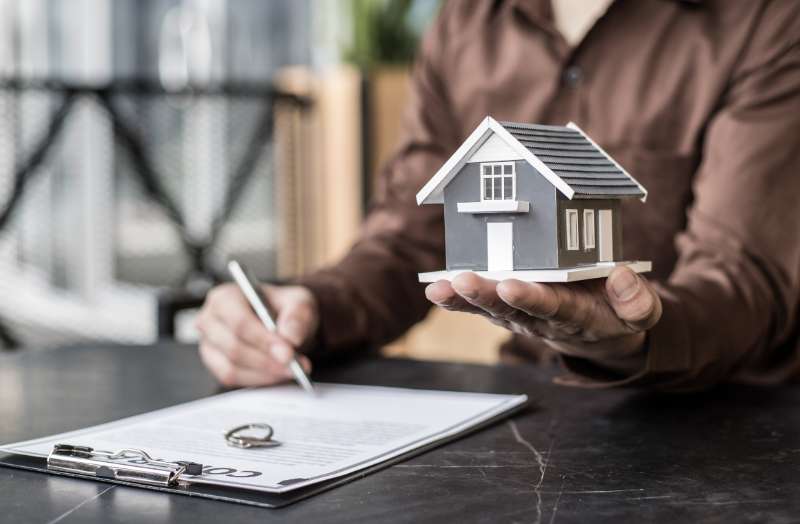

Queensland property values are forecast to rise 4–7% in 2026, driven by regional demand, infrastructure investment, and sustained interstate migration. In Rockhampton specifically, the median house price has reached $512,000 following 20.5% capital growth over the past 12 months, with rental yields sitting at 5.7% gross and vacancy rates at just 0.7%. For buyers and investors operating in this market, the combination of tight stock, strong yields, and improving affordability relative to Brisbane makes Rockhampton one of the most compelling regional opportunities in Queensland right now.
Will Queensland property prices rise in 2026?
Yes — and the data supports that forecast clearly. Queensland property values are projected to grow 4–7% across 2026, underpinned by three converging forces: ongoing interstate migration from NSW and Victoria, a sustained undersupply of new housing stock, and continued government infrastructure spending across regional centres.
Queensland's population is growing at 2.0% per year — one of the fastest state-level growth rates in Australia — and that demand is pushing outward from Brisbane into established regional cities like Rockhampton, Toowoomba, and Cairns. Stock levels remain critically low across the state, with many markets recording fewer than two months of available inventory. That supply-demand imbalance makes continued price growth the most likely outcome for 2026, even with borrowing costs remaining elevated.
For buyers sitting on the fence, the cost of waiting is real: median prices in several regional Queensland markets have risen more than 20% in the past 12 months alone.
What's driving growth in regional Queensland?
Regional Queensland is no longer a secondary consideration for investors. it has become the primary target for buyers priced out of Brisbane or seeking stronger yields.
Several structural drivers are sustaining this shift:
- Lifestyle migration: Remote and hybrid work arrangements have permanently widened the pool of people who can live outside capital cities. Rockhampton, Toowoomba, and the Sunshine Coast have all absorbed significant numbers of relocating families from south-east Queensland and interstate.
- Infrastructure investment: Government spending on regional roads, health infrastructure, and industrial precincts is creating local employment and supporting long-term population retention. The Bruce Highway upgrade, resource sector investment in Central Queensland, and the Rockhampton Ring Road project are all driving economic confidence in the region.
- Affordability relative to Brisbane: The median house price in Brisbane now exceeds $900,000. Rockhampton's median of $512,000 offers comparable lifestyle quality at roughly 55 cents in the dollar — a gap that continues to attract both owner-occupiers and investors.
- Rental demand: Vacancy rates across regional Queensland remain extremely tight. In Rockhampton, the current vacancy rate of 0.7% means that investment properties are being tenanted faster than at virtually any point in the past decade..
Is Rockhampton a good place to invest in 2026?

Based on current market data, Rockhampton is one of the strongest regional investment markets in Queensland heading into 2026. Here is what the numbers show:
Market fundamentals (CoreLogic / REIQ / InvestorKit data, 2025–2026):
| Metric | Rockhampton figure |
|---|---|
| Median house price | $512,000 |
| 12-month capital growth | 20.5% |
| Gross rental yield (houses) | 5.7% |
| Vacancy rate | 0.7% |
| Average days on market | 19 days |
| Available stock | 1.7 months |
| Unit rent growth (Rockhampton City) | 21.1% (past 12 months) |
| Regional population | ~85,794 (growing at 0.73–0.83% p.a.) |
The 0.7% vacancy rate is the most telling figure. At this level, a well-priced rental property in Rockhampton will typically receive multiple applications within days of listing. Combined with a 5.7% gross yield, this means investors are generating meaningful cash flow from the moment a property is tenanted — a stark contrast to many capital city markets where yields barely cover holding costs.
The 19-day average days on market also signals that buyer competition is intense. If you are purchasing, being pre-approved and ready to move is not optional in this environment.
Why Rockhampton specifically?
Rockhampton's economy is underpinned by diversified industriesagriculture, resources, health services, defence, and retail — which provides resilience that single-industry regional towns often lack. The Rockhampton Airport expansion, the region's role as the service hub for Central Queensland's mining and resource sector, and ongoing residential development in growth corridors like Gracemere and Norman Gardens are all reinforcing the city's long-term appeal.
For first-home buyers, Rockhampton also offers genuine accessibility at a time when homeownership has become increasingly difficult in Brisbane. Properties under $450,000 still exist here — a price point that is almost invisible in South East Queensland.
What should Queensland buyers and investors do right now?
The RBA cash rate at 4.35% means borrowing conditions are tighter than they were in 2020–2021, and anyone transacting in 2026 needs to plan accordingly. Here is a practical approach:
For buyers:
- Get pre-approval before you start inspecting. In a market with 19-day average days on market, you will lose properties if financing isn't already confirmed.
- Focus on fundamentals: proximity to employment hubs, schools, and transport. In Rockhampton, suburbs like Norman Gardens, Frenchville, and Gracemere continue to attract strong buyer demand.
- Don't wait for rate cuts to confirm before acting. Forward guidance from the RBA suggests a "higher-for-longer" rate environment — and property prices in Rockhampton have not paused to wait for rates to fall.
For investors:
- Prioritise yield stability. With borrowing costs elevated, a 5.7% gross yield in Rockhampton provides meaningful cash flow buffer against holding costs — unlike Brisbane properties yielding 3–4%.
- Look at the unit sector. The 21.1% spike in unit rents in Rockhampton City suggests that the unit market is catching up to house price growth and may represent an entry point before that gap closes.
- Factor in the vacancy rate. A 0.7% vacancy rate is as close to full occupancy as a market gets. That insulates investors from the prolonged vacant periods that can turn a positively geared property into a cash drain overnight.
If you are unsure where to start, a free market appraisal is the most practical first step — it gives you a clear picture of what your budget will achieve in today's Rockhampton market before you commit to any strategy.
→ Get a free Rockhampton market appraisal → Browse current properties for sale in Rockhampton
Frequently asked questions
Queensland property prices are forecast to grow 4–7% in 2026, driven by population growth, infrastructure investment, and a persistent undersupply of housing stock. Growth is strongest in established regional centres like Rockhampton, Toowoomba, and Cairns, where affordability relative to Brisbane continues to attract buyers and investors.
Is Rockhampton a good place to invest in property in 2026? Yes. Rockhampton currently has a median house price of $512,000, a gross rental yield of 5.7%, a vacancy rate of 0.7%, and recorded 20.5% capital growth over the past 12 months. These figures place it among the strongest regional investment markets in Queensland. Low stock levels (1.7 months) and a 19-day average days on market indicate that buyer competition is intense and prices are likely to remain supported in 2026.
Will Brisbane's property market continue to grow in 2026? Yes, Brisbane is expected to see continued growth in 2026, though at a more moderate pace than recent years. The $15 billion Cross River Rail and Brisbane Metro projects continue to support demand in inner and middle-ring suburbs. Gross yields in Brisbane (typically 3–4%) are lower than regional markets, making it better suited to capital growth strategies than cash flow-focused investment.
How does the RBA cash rate affect property in Queensland? The current 4.35% cash rate means borrowing costs are significantly higher than during the 2020–2022 period. This reduces maximum borrowing capacity and increases monthly repayments. Buyers need to account for stricter serviceability assessments. In Rockhampton, the strong rental yield (5.7%) provides a meaningful buffer against elevated holding costs — which is one reason regional markets with strong yields are outperforming lower-yield capital city markets in the current environment.
Is affordable housing available in Rockhampton? Yes. Properties under $450,000 are still available in Rockhampton — a price point that is extremely rare in Brisbane, the Gold Coast, or the Sunshine Coast. First-home buyer grants and stamp duty concessions available in Queensland can further reduce the effective purchase cost. The Queensland Government's ongoing affordable housing commitments are also expected to add new supply to regional centres over the medium term.
What areas in Rockhampton are best for buyers in 2026? Suburbs attracting strong buyer demand in Rockhampton include Norman Gardens, Frenchville, and the Gracemere growth corridor. Norman Gardens and Frenchville are popular with families for their school catchments and established infrastructure. Gracemere offers newer housing stock at more accessible price points and is experiencing significant residential development. Speak to a local agent for advice specific to your budget and goals