
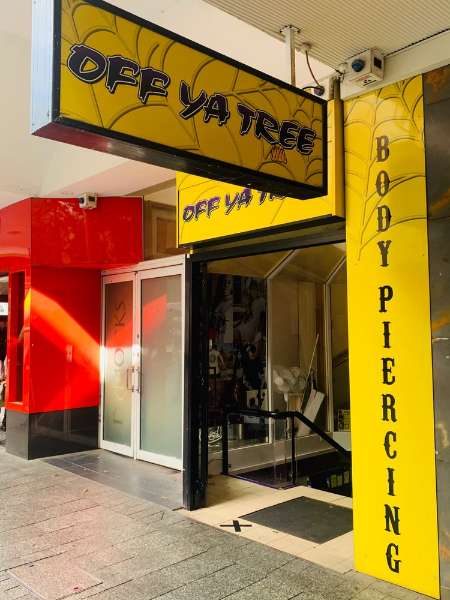

Typing "piercing near me" into Google tells you which studios are close. It tells you nothing about which ones are clean. A piercing is a controlled wound, and the studio's hygiene decides how well it heals. This guide covers what a clean studio looks like and why needles beat guns. You'll also get the questions worth asking and a simple aftercare routine for home.
What a Clean Piercing Studio Looks Like
It will only take you a few minutes to know whether the studio is good or bad. The piercing room needs to be very clean, distinct from the sales area, and have sterilised and sealed equipment.
It’s important that jewellery is also of high standards. Cheap mystery metals can contain nickel, which causes reactions in healing skin. Implant-grade titanium and surgical steel are the only materials worth putting in a fresh piercing.
In our studios, every needle comes out of sterile packaging in front of you. It goes straight into a sharps bin afterwards. That's the standard to demand anywhere. Before anyone touches your skin, look for:
- Single-use needles, opened from sealed packets
- An autoclave on site to sterilise jewellery and tools
- Clean gloves for each client, changed if piercer touches anything else while doing the procedure
- Implant grade titanium (ASTM F136) or 316L surgical steel jewellery
- Registration with the local council or health department
If a studio hesitates on any of these, keep scrolling.
How to Vet Every "piercing near me" Result Before You Book
Star ratings alone aren't going to cut it. Read latest reviews and search for specific comments about cleanliness, healing results and how staff deal with problems. Trust your eyes when you arrive too. A grubby shop floor usually means a grubby piercing room.
Then visit or call before committing. A good piercer will happily explain their sterilisation process and the jewellery they pierce with. After more than a million piercings since 1996, our team answers these questions all day long. We publish the answers on our body piercing FAQs page too, so you can check before you visit.
The Importance of Piercing Guns or Needles
A disposable, sterile hollow needle offers a clean, sharp entrance with minimal trauma. A piercing gun forces a dull stud through your skin, ripping the tissue rather than splitting it.
Guns can't go in an autoclave either. Their plastic bodies would melt, so they only get a surface wipe between clients. On broken skin, that's not good enough.
Plenty of shopping centre kiosks still pierce lobes with guns because it's fast and cheap. Fast and cheap is a bad trade for a wound in your ear.
The damage is worse on cartilage piercings like the helix and industrial, where blunt force can shatter cartilage. This is why we refuse to use piercing guns in our studios. Needles only, every time.
Looking After a New Piercing at Home
Your piercer handles the hygiene inside the studio. After the piercing procedure, everything about how well it heals rests in your hands. For the first few weeks, follow these easy steps:
- Always wash your hands before handling your piercing, without fail
- Rinse it twice daily with a sterile saline spray
- Stay out of pools, spas and the ocean while it heals
- Leave the original jewellery in until the piercing has fully healed
- Consult your physician if there is any redness or swelling.
Dry off the area using a clean piece of paper towel but not a bath towel because fabric towels house bacteria and will catch on jewellery.
Healing times vary. Six to eight weeks is needed for lobes to settle down; on the other hand, cartilage takes about six months or more. One should use appropriate piercing aftercare products instead of using drying soaps or alcohol.
Conclusion
A "piercing near me" search gives you options. The hygiene checks above tell you which one deserves your skin. We've pierced Australians the safe way since 1996, and every one of our stores welcomes walk-ins. Our piercers get the most extensive training in the industry, and hygiene is lesson one. Review the whole range of piercings available along with their costs and visit the studio closest to you.
Frequently Asked Questions
1. Why is hygiene so important when getting a piercing?
Any piercing damages the skin and provides a portal for bacteria and germs to enter the body. Strict sterilisation procedures should be followed to avoid formation of infection after piercing.
2. Why are piercing needles preferred over piercing guns?
Needles are sterile and one-off, so the wound will heal nicely. The gun makes holes with blunt force. It can not be autoclaved. It is less safe, especially when piercing cartilage.
3. What questions should I ask before getting pierced?
Ask if needles are single use. What do they sterilise instruments with? What metal do they pierce with? Ensure the studio gets approved by the council or health department.
4. What should I do after getting a new piercing to prevent infection?
Clean twice a day with sterile saline solution. Wash your hands before handling it. Refrain from removing the first jewellery until the piercing heals up.