
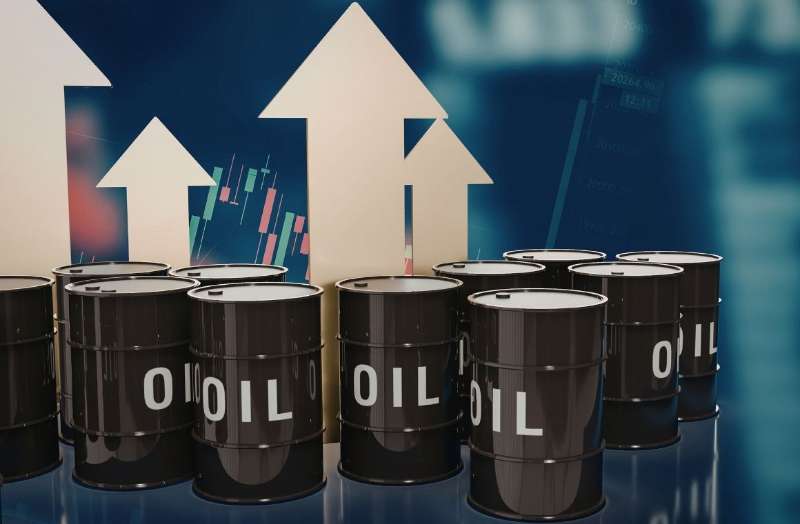
post-pandemic fiscal challenges. The ongoing 2026 war involving Iran has rapidly transformed from a regional crisis into a major global economic shock, most notably for global oil markets and energy prices. As geopolitical tensions escalated between Iran, the United States, Israel, and other regional powers, disruptions to energy supply chains, particularly through the strategically critical Strait of Hormuz, have triggered sharp price volatility, elevated inflation risks, and highlighted the fragility of global energy security.
Why the Iran War Has Such a Big Impact
The Strait of Hormuz, a narrow maritime chokepoint between Iran and Oman, is one of the most important routes for global energy trade. Roughly 20% of the world’s oil and LNG supplies transit through it under normal conditions.
Since late February 2026, military engagements triggered by U.S.–Israeli strikes and Iranian retaliation have caused Iran to effectively halt tanker traffic through the strait. This disruption has stopped or severely delayed shipments from major oil producers like Saudi Arabia, Iraq, Kuwait, Qatar, and the UAE, creating a sudden and severe supply shock in global energy markets.
Oil Price Spikes and Market Volatility
Almost immediately after the conflict intensified, global oil prices surged:
-
Brent crude, the international benchmark, briefly topped $100 per barrel, levels not seen since the Russia-Ukraine crisis of 2022.
-
U.S. West Texas Intermediate (WTI) crude also climbed sharply, reflecting similar market fears about disrupted supply.
Analysts warn that if the closure or disruption of the Strait of Hormuz persists, oil prices could reach even higher levels, potentially threatening broader economic stability.
This uptick has repercussions far beyond energy traders. High crude prices immediately feed into higher gasoline and diesel costs for consumers, increased costs for transportation and goods, and heavier inflationary pressures for governments already struggling with
Ripple Effects on Global Energy Markets
The Iran war has also unsettled broader energy markets by:
-
Interrupting natural gas flows: European gas prices nearly doubled early in the crisis due to knock-on effects from the Middle East supply disruption.
-
Slashing regional production: Some Gulf producers cut output or acknowledged potential force majeure conditions, further tightening global supply.
-
Increasing volatility across commodities: Surges in energy prices fed through to other markets, including basic materials, freight costs, and industrial inputs, amplifying inflation risks.
In Asia, major energy-importing economies like China, India, and Japan face heightened vulnerability. With Asia typically absorbing a large share of Middle Eastern oil exports, supply disruption has forced refiners to seek alternatives or cut runs, worsening fuel shortages and price spikes.
Government and Market Responses
Governments and global agencies have taken actions to try and stabilize markets:
-
The United States announced releases from its Strategic Petroleum Reserve (SPR) to help counter price spikes and reassure markets.
-
Major producers and importers are exploring alternative shipping routes and increasing insurance coverage for vessels, albeit at rising premiums due to the risk of conflict in the Gulf.
Even with these measures, energy strategists caution that immediate policy responses may have limited effect in the short term. Some experts argue that the sheer scale of supply disruption, potentially millions of barrels per day, cannot be offset quickly by reserve releases or diplomatic measures alone.
What This Means for Consumers and Economies
The surge in oil and energy prices has direct impacts on households and economies:
-
Fuel costs for drivers in Europe are expected to rise by hundreds of euros annually, with UK drivers also facing significant increases.
-
Higher energy bills feed into overall inflation, dampening consumer spending and pressuring central banks to reconsider interest rate strategies.
-
Emerging markets with limited energy self-sufficiency face greater economic strain as they import more expensive fuel and gas.
Some long-term shifts are already visible. Rising fossil fuel prices are prompting stronger interest in renewable energy and electric vehicles (EVs), particularly in regions seeking to reduce dependency on volatile oil markets.
Economic Risks and Outlook
Economists warn that if the war drags on, the combined effect of high energy prices and disrupted supply chains could:
-
Trigger a global inflation surge, reducing economic growth prospects.
-
Spur recessions in vulnerable economies heavily reliant on oil imports.
-
Increase political pressures on governments balancing domestic economic stability with foreign policy commitments.
While some prices have fluctuated in response to market sentiment and diplomatic signals, including comments downplaying the crisis, the underlying risk remains. Ongoing conflict in a region responsible for a significant share of global energy exports will continue to underpin elevated price levels and economic uncertainty.