
Key Highlights
Working at heights requires planning, equipment, and risk awareness
The right access equipment improves both safety and productivity
Efficiency depends on matching equipment to the task
Many projects rely on scissor lift hire for reliable elevated access
Why Elevated Work Requires a Structured Approach
Working at heights introduces a level of risk that requires more than basic planning. Whether it involves construction, maintenance, or installation, elevated work demands a clear understanding of both safety requirements and operational efficiency. Without the right approach, tasks can take longer, and the likelihood of incidents can increase.
A structured approach begins with identifying the scope of the work and the specific challenges involved. This includes considering the height required, the environment, and the type of tasks being performed. Each of these factors influences the equipment and methods that should be used.
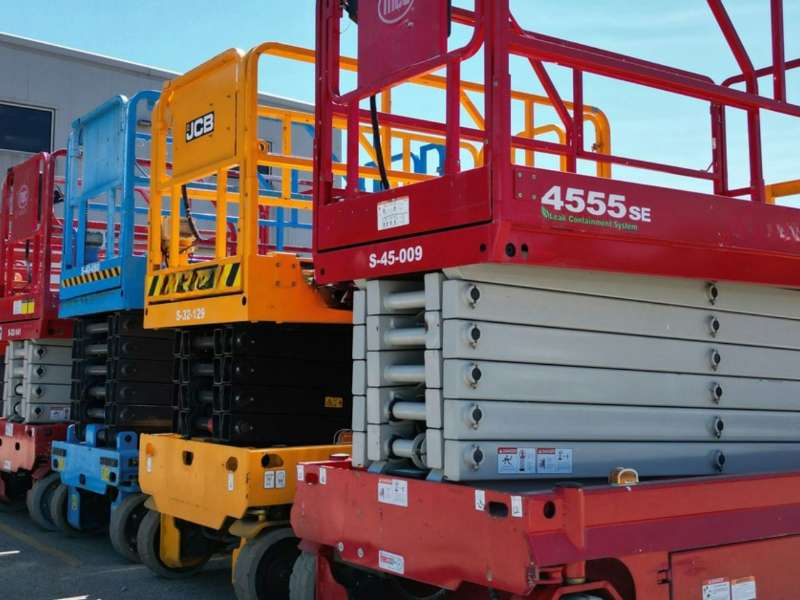
For many projects, solutions such as scissor lift hire provide a practical way to access elevated areas safely while maintaining efficiency. These types of platforms are designed to offer stability and ease of use, making them suitable for a range of applications.
Understanding how to plan and execute elevated work effectively helps ensure that both safety and productivity are maintained throughout the project.
Assessing the Work Environment
The environment in which the work takes place plays a significant role in determining the best approach. Indoor and outdoor settings present different challenges, including space constraints, surface conditions, and potential obstacles.
For example, indoor work may require compact equipment that can navigate tight spaces, while outdoor projects may need equipment capable of handling uneven terrain. Weather conditions can also influence safety and efficiency, particularly for tasks performed at greater heights.
Taking the time to assess these factors helps ensure that the chosen equipment is appropriate for the conditions. This reduces the risk of complications and supports smoother operations.
Choosing the Right Equipment for the Task
Selecting the right equipment is one of the most important decisions when planning elevated work. Different types of access equipment are designed for specific purposes, and using the wrong option can lead to inefficiencies or safety concerns.
Scissor lifts, for instance, are often used when a stable vertical platform is required. They provide a secure working area and are suitable for tasks that involve working in one location for an extended period. Other equipment may be more appropriate for tasks that require greater mobility or reach.
Matching the equipment to the task ensures that work can be carried out more effectively. It also helps reduce unnecessary delays and adjustments during the project.
The Role of Safety in Equipment Use
Safety is a central consideration in all elevated work, and it begins with proper equipment use. Ensuring that equipment is operated correctly and maintained in good condition is essential for reducing risk.
Operators should be familiar with how the equipment functions and understand its limitations. This includes knowing the maximum load capacity, operating range, and any specific safety features.
Regular checks and adherence to safety guidelines help create a safer working environment. This not only protects workers but also contributes to more efficient project execution.
Improving Efficiency Through Planning
Efficiency in elevated work is closely linked to planning. When tasks are well organised and equipment is selected appropriately, work can be completed more quickly and with fewer interruptions.
Planning involves scheduling tasks, coordinating team members, and ensuring that all necessary resources are available. This reduces downtime and helps maintain a steady workflow.
A well planned approach also allows for better use of equipment, ensuring that it is utilised effectively throughout the project.
Reducing Downtime on Site
Downtime can have a significant impact on both productivity and costs. Delays caused by equipment issues, poor planning, or unsuitable conditions can disrupt the progress of a project.
Using reliable equipment and ensuring that it is properly maintained helps minimise these disruptions. It also allows work to continue without unnecessary interruptions.
In addition, having a clear plan in place helps teams respond more effectively to unexpected challenges, reducing the overall impact of delays.
Supporting Worker Productivity
The right equipment not only improves safety but also supports worker productivity. When workers have access to stable and reliable platforms, they can focus on their tasks without being distracted by safety concerns or limitations.
This leads to more consistent performance and better overall outcomes. It also reduces fatigue, as workers are not required to compensate for inadequate equipment.
Providing the right tools for the job is an important part of creating an efficient work environment.
Adapting to Different Project Needs
Every project is different, which means the approach to elevated work must be adaptable. Factors such as project size, duration, and specific requirements all influence how work is carried out.
Being able to adjust your approach based on these factors helps ensure that the chosen methods remain effective. This may involve selecting different types of equipment or adjusting workflows to suit changing conditions.
Flexibility is an important part of maintaining both safety and efficiency.
A More Practical Approach to Elevated Work
Taking a practical approach to elevated work involves focusing on the key elements that influence outcomes. This includes selecting the right equipment, planning tasks effectively, and maintaining a strong focus on safety.
By addressing these areas, it is possible to create a work environment that supports both productivity and risk management. This approach helps ensure that projects are completed efficiently while maintaining high safety standards.
Creating Better Outcomes on Site
Safe and efficient elevated work is the result of careful planning, appropriate equipment, and consistent execution. Each of these elements contributes to the overall success of a project.
By understanding how they work together, you can create a more effective approach that supports both immediate tasks and long term goals.
With the right strategies in place, elevated work becomes more manageable, allowing teams to complete projects with greater confidence and efficiency.