
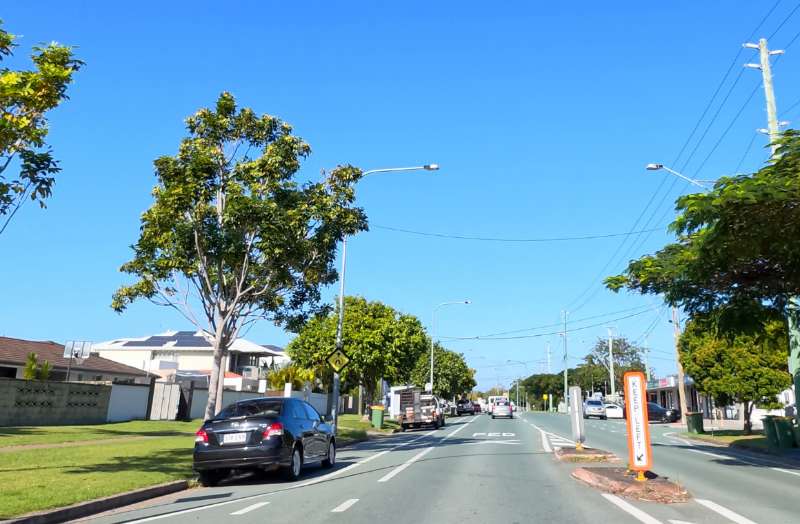
The Silent Paint Killer: How Coastal Salt Air & Sun Age Your Vehicle in Maroubra
Living in Maroubra offers unbeatable perks, morning surfs at Maroubra Beach, coastal walks, and stunning ocean views. However, while you enjoy the sea breeze, your vehicle is paying a heavy price.
Sydney’s Eastern Suburbs present one of the harshest environments in Australia for motor vehicles. The combination of airborne ocean salt, severe ultraviolet (UV) radiation, high humidity, and abrasive sea sand creates a relentless natural storm that quietly degrades your vehicle’s paint, interior, and undercarriage.
If you park your car outdoors anywhere near Maroubra Road, Marine Parade, or the surrounding coastal ridge, understanding how sea air affects your vehicle is the first step toward preserving its value and aesthetic appeal.
The Coastal Damage Cycle: Salt, UV, and Sand
To properly protect your vehicle, it helps to understand how environmental factors interact to wear down your car’s exterior.
A. Ocean Spray & Airborne Salt
Sea salt is hygroscopic, meaning it constantly attracts and retains moisture from the air. When sea spray drifts inland over Maroubra, microscopic salt particles land on your car's clear coat, wheel arches, and metallic trim. Over time, this airborne sodium chloride breaks down protective wax layers, penetrates microscopic cracks in the paint, and accelerates corrosion on exposed metal parts.
B. Intense Australian UV Rays
Australia’s UV index is notoriously high, especially during coastal summer months. Intense sunlight bakes salt particles directly into your car’s clear coat. This thermal expansion allows salt to leach deeper into the finish, causing oxidation that leads to faded, chalky, or peeling paint.
C. Windblown Coastal Sand
Coastal sea winds blow fine particles of abrasive sand onto parked vehicles. Wiping down a dusty car without proper lubrication acts like dragging fine-grade sandpaper across your paint, leaving unsightly micro-swirls and scratches.
Did You Know? Rust and paint oxidation happen twice as fast in coastal suburbs like Maroubra compared to inland Sydney due to ambient moisture and elevated salt concentration in the air.
4 Warning Signs Your Car Is Suffering from Coastal Exposure
Catching damage early is crucial for maintaining your vehicle’s resale value and structural integrity. Keep an eye out for these key signs:
-
Dull, Rough Paint texture: If your paint feels rough like fine sandpaper after washing, environmental contaminants and embedded salt are bonded to the clear coat.
-
Cloudy Headlights: Coastal UV rays combined with sea air oxidise plastic headlight lenses, turning them yellow and reducing night-time driving visibility.
-
Faded Trim and Rubber Seals: Window rubbers and black plastic bumper trims dry out, turn grey, and crack under constant UV and salt exposure.
-
Surface Rust on Undercarriage: Moisture mixed with salt settles inside wheel arches, brake callipers, and exhaust components, forming premature surface rust.
To stay updated on vehicle care standards and road safety guidelines across New South Wales, check out authority resources on NRMA Mobility & Motoring Advice.
Actionable Coastal Car Care Tips for Maroubra Drivers
Protecting your car in a beach town doesn't mean moving away from the shore. Implementing a proactive vehicle care routine keeps your car looking show-room fresh year-round.
1. Rinse, Don’t Just Wipe
Never use a quick detailer spray or dry cloth on a salt-dusted vehicle. Always perform a pressure rinse first to flush away loose sand grains and topical salt without dragging them across the paint finish.
2. Wash Frequently with pH-Neutral Shampoo
Wash your car every 1–2 weeks using a high-foaming, pH-neutral car shampoo. Standard dish soaps contain harsh detergents that strip away protective waxes, leaving your paint completely exposed to sea air.
3. Apply a Durable Sealant or Ceramic Coating
Traditional carnauba waxes offer great shine, but they break down quickly under intense coastal sun. Investing in modern paint protection, such as synthetic polymer sealants or ceramic coatings, creates a hydrophobic barrier that repels salt water, grime, and UV rays for months or years.
4. Don't Forget the Interior & Undercarriage
Salt air enters your cabin every time you roll down the windows or track wet sandy feet onto floor mats. Vacuum regularly, apply UV protectant to leather and vinyl surfaces, and spray down the undercarriage during washes to keep rust at bay.
DIY Car Wash vs. Professional Coastal Detailing
While home maintenance keeps surface dirt down, professional detailing addresses deep-seated coastal contaminants that standard hose washes cannot remove.
Protect Your Investment with Maroubra’s Local Experts
Your car is one of your most valuable assets, and letting coastal wear diminish its appearance and value is costly in the long run. Professional detailing removes embedded salt, restores glossy paint depth, and applies long-lasting paint protection engineered to withstand Sydney's coastal climate.
If you are looking for dedicated floor-to-ceiling vehicle care right here in the Eastern Suburbs, trust the local specialists at Vince's Car Detailing. From paint correction and ceramic coatings to deep interior steam cleaning, their team brings back that original showroom shine while shielding your car against Maroubra’s harsh sea breeze.
Ready to shield your ride from salt air damage? Visit the official business listing for Vince's Car Detailing on Top4 to explore their full range of detailing services, view customer ratings, and schedule your appointment today!