
Before You Buy Any Machinery
Purchasing machinery is a significant investment, and it's essential to approach the process with careful consideration and attention to detail. Whether you're acquiring heavy equipment for construction, industrial machinery for manufacturing, or any other type of machinery, there are crucial steps you should take to ensure a successful and cost-effective purchase. Below are key steps to take before making your machinery purchase:Where Is The Best Place To Source Used Machinery For Import to Australia?
In a global market with long manufacturing lead times or excessive new prices, a lot of Australian importers are looking to purchase or relocate premium, low-hour, used machinery from overseas. Brands typically include CAT, Komatsu, Hitachi, Liebherr, Tadano, Grove, Wirtgen & Sandvik. Typically we see a range of used machinery being imported including:Such used machinery is often sourced from around the world but we recommend the sourcing of machining from New Zealand, Japan, China, Europe and United States due to regular roll on, roll off shipping services available.
Whilst we cannot provide a list of good machinery brokers to buy from for confidentiality purposes, we can recommend some auction websites we deal with regularly directly or indirectly on behalf of many Australian companies. These auction companies have been in business for many years and have a good reputation for providing good quality, low hour machinery to support Australian business. However we always recommend inspection as these auctions are generally conducted as is, where is.
Additionally before you transfer any money, please verify the supplier is real by researching phone numbers, emails, website and company names. There is alot of fake websites and suppliers being imitated online. We recommend getting a reference or conducting your own google search into the company to verify its legitimacy. Generally if you have had no contact with them previously and they are reaching out to you out of the blue, then you should be extremely skeptical. Custom Brokers have a large database of known suppliers on file, please give us a call on 13 SHIP if you want our opinion if they are legit or not.
Machinery Collection
When buying machinery on a “as is, where is” basis, it is your responsibility to facilitate loading and transport. As long as the machine is still operational then the collection can be a simple process with collection arranged utilising a ramped trailer. As part of shipping solutions, Custom Brokers will offer pickup services of all machinery.What Are Quarantine Risk Materials and Why Are They Important For Imported Machinery?

Air Conditioning / Fire Extinguishers Requirements
The importing of air conditioning and fire extinguishers are restricted imports due to the presence of Ozone Depleting Substances and Synthetic Greenhouse Gases (ODS and SGG) contained within. Such equipment can be included with machinery purchased overseas, which can complicate the customs clearance process of the shipment.Importers can import up to a total of 25 kilograms of synthetic greenhouse gas (hydrofluorocarbons (HFCs), perfluorocarbons (PFCs), sulfur hexafluoride (SF6) or nitrogen trifluoride (NF3)) in equipment during a calendar year before a license is required. It should be noted that the importing of several types of gasses such as HCFC and CFC are prohibited entirely. And whilst we do not expect to see these gasses contained in low hour machinery, we do feel the need to mention it. You should verify the type of refrigerant gas contained in your machine before you proceed further with the purchase.
There is no limit on the number of pieces of equipment and the equipment may be imported in one or more consignments. The most common gas we see charged in air conditioning equipment is R134A, which is a HFC and the amount imported does not normally exceed 3kg.
Importers must keep track of imports containing these gasses over the calendar year to be sure an import is eligible for the low volume exemption. Therefore if you intend to import less than 8 machines a year then you probably won’t require a EQPL license.
However if you are required to have a license, then you must apply for a EQPL License, and you will have an on-going requirement to report and pay levies for the imported quantities of gas to:
- Refrigerant Reclaim Australia – Quarterly
- Ozone Licensing and Reporting System (OLARS) – Half Yearly
Custom Brokers provides administrative support to our clients in applying for a EQPL license and in compiling a list of imports across each period and reporting these directly to the relevant bodies for assessment and invoicing of applicable levies payable.
Did you know – Importers can typically choose to degas machinery overseas prior to shipment to avoid the need for licensing/reporting.
Machinery Repairs and Dismantling

SHIPPING OPTIONS

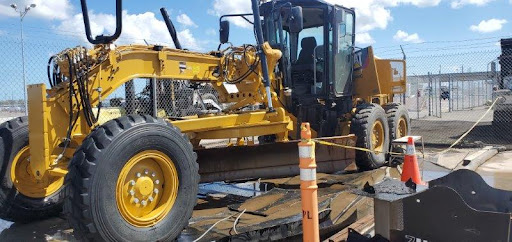
The class of machinery we generally offer containerised solutions for include Rollers, Motor Graders, Skid Steer Loaders and Wheel Loaders. Larger versions of such machines can also require dismantling and specialist loading/unloading techniques as the machines may lose their self propelled ability when wheels and/or cab are removed.

Not all ports can handle heavy or oversized flat racks, so careful checking of the route is needed prior to booking to ensure the shipping line can discharge the flat rack as planned. Generally we find customers may consider flat racks when shipping cargo less than 11.6m long such as: Articulated Dump Trucks, Excavators, Compactors, Dozers, Rollers, Wheel Loaders, Motor Graders and small Cranes.
Whenever moving machinery by containers or flat racks, it’s important to verify that the goods are compliant with special provision 961 of the IMDG code, SP961 is detailed below:
By complying with this special provision, we reduce our costs by ensuring the goods are not classified as dangerous goods, and thus avoid a hazardous goods surcharge by the shipping line. Complying for most machines in this article (diesel fueled) is as simple as verifying the isolator is working and toggling it to the “on” position.


BMSB Treatment
Over the past 10 years we have witnessed the emergence of an agricultural threat known as the Brown Marmorated Stink Bug (BMSB). This insect, a native to North East Asia, has hitchhiked across the world establishing itself across Europe and North America. As a result the Department of Agriculture, Fisheries and Forestry (DAFF) introduced treatment requirements for cargo originating from certified countries. If you are importing cargo from a BMSB high risk country listed below then the cargo must be treated as prescribed by Methyl Bromide Sulphuryl Floride or at a sustained high temperature.- Albania
- Andorra
- Armenia
- Austria
- Azerbaijan
- Belgium
- Bosnia and Herzegovina
- Bulgaria
- Canada
- Croatia
- Czechia
- France
- Georgia
- Germany
- Greece
- Hungary
- Italy
- Kazakhstan
- Kosovo
- Liechtenstein
- Luxembourg
- Montenegro
- Moldova
- Netherlands
- Poland
- Portugal
- Republic of North Macedonia
- Romania
- Russia
- Serbia
- Slovakia
- Slovenia
- Spain
- Switzerland
- Turkey
- Ukraine
- United States of America
Whilst the rules and treatment options for BMSB are varied and complex, this article will include information on the requirements for used machinery being imported to Australia during the 2022-2023 season.
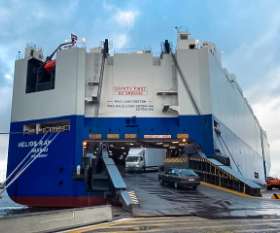
BMSB seasonal measures will apply to targeted goods manufactured in or shipped from target risk countries, that have been shipped between 1 September and 30 April (inclusive), and to vessels that berth, load, or tranship from target risk countries within the same period.
Note: The shipped on board date, as indicated on the Ocean Bill of lading, is the date used to determine when goods have been shipped. “Gate in” dates and times will not be accepted to determine when goods are shipped
Custom Brokers have access to a large network of agents across the world which arrange the treatment of cargo in line with the requirements for BMSB issued by DAFF. Get in touch with the team at Custom Brokers should you require assistance with your next shipment.
Custom Clearance
Customs Clearing your shipment requires advanced planning and correct documentation. The documentation we require at a minimum are:Customs GST – All machinery is also subject to 10% GST, calculated on the price of the goods plus freight, insurance and duty.
Please note it is advisable if you are importing a machine with multiple attachments then the value of the additional attachments be declared separately on the invoice.
Quarantine Inspection and Cleaning
Upon completion of the customs clearance an inspection direction will be issued by DAFF, this takes place at the wharf for Break bulk, and at a Quarantine Approved Premises (QAP) for containers/flat racks.Our staff in QLD, NSW, VIC, SA and WA attend most machinery inspections in person. Our hands approach enables us to understand your machine’s condition and plan transport more efficiently.
The inspection at the port is more a formality than anything else, designed to ensure the machine is not heavily contaminated requiring re-export consideration. If the inspection goes well, the officer inspecting will fail the consignment and direct it for washing at a QAP of our choosing. We have approved QAP’s in all major ports including:
- Mackay
- Brisbane
- Sydney
- Port Kembla
- Melbourne
- Adelaide
- Fremantle
- Dampier
- Port Hedland
- Darwin

Door Delivery
We have access to heavy haulage transport solutions across Australia. So once your machine is released we can arrange delivery to your designed location from low loaders to platform trailers, we got your delivery needs covered.
So when it comes to choosing your next freight partner look no further than us with our local and global networks having you covered at both ends. For a quote please contact your nearest branch by calling us on 13 SHIP or submit a quotation request and we will get back to you asap.