
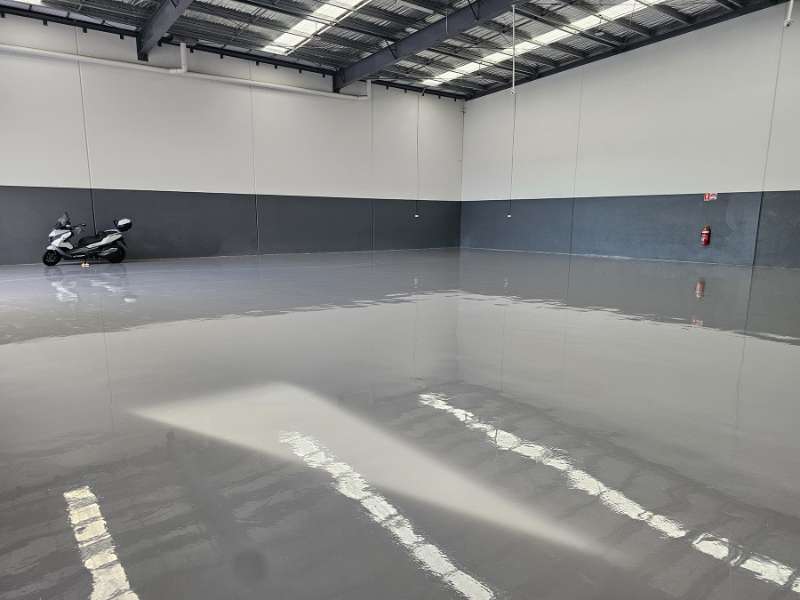
When it comes to running a productive and safe warehouse, your flooring isn’t just a flat surface beneath your feet; it’s the backbone of your entire operation. From heavy equipment and nonstop vehicle traffic to suffering the stress of years of almost constant wear and tear, floors at the facility are put through a lot each and every day. Even the toughest floors can fail prematurely if designed, built and maintained improperly.
The significant role that the warehouse floor plays in Australia’s booming logistics, manufacturing and distribution industries cannot be overstated. A failing floor can result in expensive downtime, unsafe conditions and inefficiency throughout a facility. Let’s get to the bottom of what makes these floors tick and how to preserve yours when times get tough.
Why Warehouse Flooring Matters More Than You Think
When it comes to warehouse flooring, one size does not fit all. It has to withstand constant loads, heavy traffic, exposure to chemicals and tenacious abrasion day in, day out. What happens when you have an unsafe floor?
-
Unexpected cracks and surface damage
-
Safety hazards, such as slips, trips and falls
-
Equipment damage and maintenance headaches
-
Costly downtime and repairs
Durable warehouse environments are a matter of how load, movement and wear interact with floor materials.
1. Load: Handling Weight Without Breaking a Sweat
One of the biggest stressors on warehouse floors comes from loads both static and dynamic.
-
Static Loads
Static loads are weights that remain in place for a long time , such as pallet racks filled with inventory. If the floor doesn’t have enough strength to spread out that weight, it can crack or settle over time.
-
Dynamic Loads
These are the weights of moving machinery (forklifts, pallet jacks, trucks, or order pickers). Since the floor makes start, stop, and turning cycles over and over again at the rate of about 190 per minute and undergoes substantial deceleration once each revolution, it is subject to pressures on impact which may be in excess of several thousands pounds per square inch.
-
Material Strength Matters
High-strength concrete and industrial coatings (among which epoxy is most often recommended) are good candidates, as they have the ability to spread load evenly over the slab and prevent a stress concentration in given areas.
2. Traffic: The Daily Grind on Your Floor Surface
Not all warehouse traffic is the same, and that’s often where most floors begin to show early wear.
-
Foot Traffic
Although relatively light compared to metal machines, constant foot abrasion is similar to grinding the floor with fine sandpaper. Over time, it degrades light coatings, strips back surface treatments, and can ultimately cause micro-abrasions.
-
Vehicle Traffic
Forklifts and pallet trucks, heavy-duty workhorses, are the real challenge. Their tires and wheels suffer from high stress and friction, especially during turning and loading. Those forces can speed up wear on the surface and potentially end in cracking or a breakdown of the surface if the flooring system isn’t designed to withstand it.
-
Material Recommendations
In areas of heavy vehicular traffic, industrial-grade epoxy or polyurethane coatings (that incorporate aggregates) are preferred. These not only add durability, but also add traction and safety.
3. Wear & Tear: What Happens Over Time
Deterioration on warehouse floors is inevitable and will usually get worse. As a warehouse ages, certain patterns become more pronounced, particularly in high-stress areas such as loading docks, entryways, and aisles.
-
Abrasion
On a daily basis, of course, the topcoat is worn away by forklift tyres, machinery movement, and feet. Floors can rut, scratch and perish if the abrasion resistance is insufficient.
-
Chemical Exposure
Most warehouses will have oil, grease, cleaning solvents, and hydraulic fluids. Floors that do not resist such agents are prone to surface staining, porosity women as VEW increase and structural degradation.
-
Environmental Stressors
In areas of warehouses which are exposed to water, humidity, or temperature change, moisture ingress and thermal expansion can add wear unless effective barriers and sealants are used.
4. Choosing the Right Warehouse Flooring Options
When choosing your warehouse flooring, you need to match the material properties of its composition with its expected daily operations.
-
Polished Concrete
Many people use polished concrete due to its admired and strong finish. With the addition of densifiers and finishes, it’s abrasion-resistant and easy to keep clean, perfect if you want a material that prioritizes aesthetics, but not at the expense of strength.
-
Epoxy Coatings
Epoxy systems create a seamless, strong surface that sticks to concrete and is resistant against heavy loads, chemicals, and wear caused by pedestrian or vehicle traffic. They can lend a hand to high-traffic logistics centers in particular.
-
Polyurethane and Hybrid Systems
These enhanced, flexible, impact-resistant, thermal-stable strips are suitable for use in cold storage or structures with quick temperature variations.
5.Maintenance: Protecting Your Flooring Investment
Modern flooring systems are designed to be hard-wearing, but require intelligent maintenance.
-
Cleaning Routines
Frequent sweeping, wet mopping, and use of commercial vacuum cleaners with rotary brush or beater bar will also cut down on surface grit and dust, which can act like sandpaper to wear the finish.
-
Routine Inspections
Routine inspection, especially in high-collision areas, can detect early signs of wear before they develop into larger maintenance needs.
-
Resealing & Recoating
The addition of protective coatings and the need for resealing over time increase the longevity and impermeability of oil and chemical resistance.
6. Real-World Benefits of Durable Warehouse Flooring
Invest in good flooring, and it will pay off long-term. Investing resources into good-quality flooring proves advantageous beyond the basics of a sound structure:
-
Lower lifetime repair costs
-
Increased safety and fewer on-the-job accidents
-
Enhanced operational efficiency
-
Lower downtime and increased productivity
The perfect warehouse floor doesn’t simply last; it helps you succeed in business.
Final Thoughts
Warehouse floors are more than just surfaces; they drive efficiency, safety, and profitability within the Australian logistics and industrial landscape. By following the requirements of load, traffic, and wear, and selecting appropriate materials and a maintenance routine, your building can stand secure for years to come.
Suppose you’re ready to level up your warehouse flooring for strong solutions that will stand the test of time. Get in touch with the flooring specialists today. Your floor deserves it, and so does your business.
FAQs
1. What are the primary causes of warehouse floor damage?
Heavy loads, year-round forklift traffic, drops and drags, material abrasion, and chemical spills lead to wear and tear of warehouse floors.
2. How can I tell if my warehouse floor is structurally compromised?
Obvious cracks, uneven surface, flaky concrete, dust accumulation, or shaky forklift action are all common red flags.
3. How often should I inspect my warehouse flooring?
Visual inspections should be done at least once a year with weekly checks.
4. Can damaged warehouse flooring impact safety?
Yes, there is additional risk of slipping and tripping, damage to machinery and equipment, and on-the-job injuries due to damaged floors.
5. Should damaged warehouse flooring be repaired or replaced?
Some damage can easily be fixed, but many widespread or deep structural problems warrant replacement.