
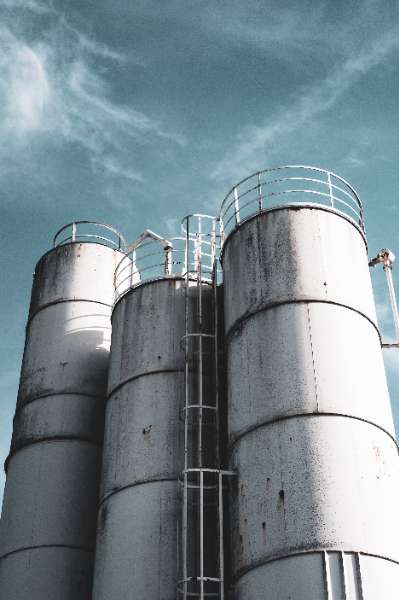
A pressure vessel is an industrial container that holds liquid, vapours or gas at a pressure that is significantly different from the outside pressure. Pressure vessels are used in residential and commercial settings around the world. Boilers, cylinders, and storing chemicals or petroleum products are some of the applications for pressure vessels. In order to keep pressure vessels functioning properly, pressure vessel inspections should be performed regularly. Regular inspections are essential because pressure vessels usually contain highly pressurized materials, which can be dangerous if improperly handled. Because of several fatalities resulting from failures of pressure vessels, the design and application of these devices are specified by engineering authorities, and these authorities are supported by government legislation. In addition to defining requirements, these standards also specify inspection procedures for pressure vessels. It is both required and smart practice to avoid unplanned downtime, equipment damage, and potentially fatal worker injury by inspecting pressure vessels. In this article, We'll delve into the subject of pressure vessels, how they're inspected, and the regulations governing them.
What are the types of Pressure Vessels?
The design of a pressure vessel is determined by its function, but they are usually rounded and cylindrical or spherical. These shapes avoid stress raisers. Typical appendages consist of a pressure gauge, a fusible plug, and a differential pressure switch, all of which cause the compressor to turn on when pressure decreases and to turn off when pressure is at its highest. In addition, for most pressure vessels, a manhole, handhole, or sight hole is provided for general cleaning and inspection. Some pressure vessels have a condensate drain at the bottom. This either automatically or manually drains moisture. Having this function is beneficial because moisture in a tank can cause corrosion or pitting, depending on the material. There are two basic ways to categorize pressure vessels - fired and non-fired. Boilers are one type of fired pressure vessel. Unfired pressure vessels are not associated with a steam generation or flames. There are a few different types of pressure vessels that we can divide into. The following are the most typical pressure vessels:
Storage tanks/vessels: The most common type of pressure vessel is the storage tank. They come in different sizes and shapes, but they all store liquids and gases under pressure. Such tanks may contain fuel oil, liquefied hydrogen, or compressed natural gas, all of which are valuable in industrial settings. Carbon steel is frequently used, although the inside may be coated with a different material. A storage tank is frequently made from carbon steel, but it may be coated with a different material on the inside. A good pressure tank is an example of a residential storage tank, which pressurizes water before it enters the plumbing system of a home.
Boilers: Boilers are usually constructed of alloyed steel to withstand high pressures and temperatures, and they generate hot water or steam, which is then used as a power source for various activities.
Heat Exchangers: Heat exchangers are used to transferring heat between liquids in order to accomplish both cooling and heating processes. Home furnaces may contain heat exchangers, but industrial and processing plants rely on them as well. Chemical processes commonly use a shell-and-tube heat exchanger. Two liquids flow through tubes, one of which is pressurized, with the resulting cross-flow causing heat to be transferred from one to the other. Process Vessels: Typically, process vessels are made of carbon steel and used to process material. Process vessels are used to combine, break down, or remove elements from a material.